India’s gig economy is beginning to reveal a dimension that goes beyond food deliveries, ride-hailing and e-commerce. The growing participation of gig and platform workers in the formal financial system could potentially open up a large and largely untapped pool of first-time investors.
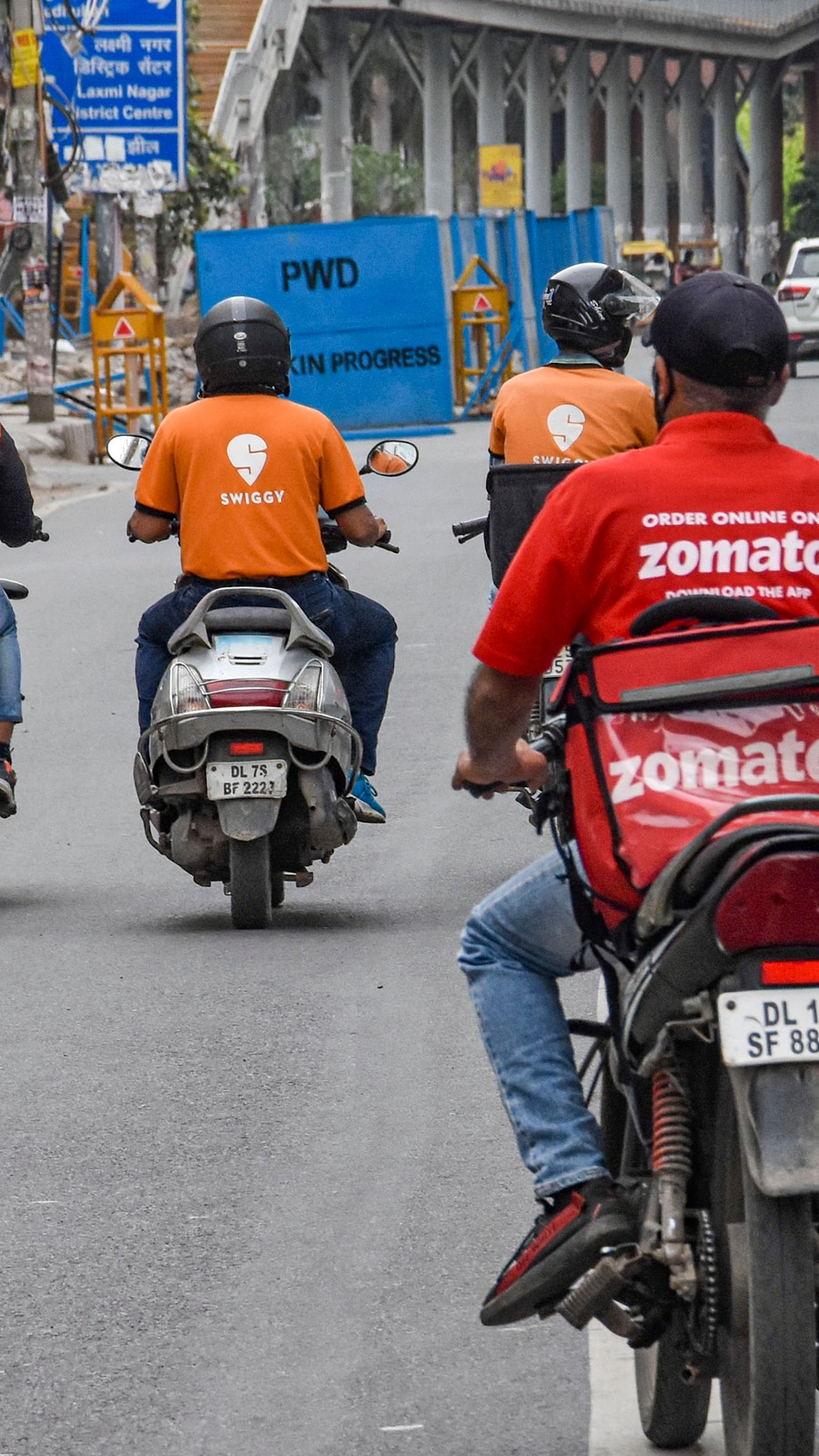
There are 1.2 crore gig and platform workers in India, according to the Economic Survey 2025-26. By 2030, this work force is expected double. The sector contributes around ₹2.35 lakh crore to the country’s GDP.
The numbers are significant. The gig workforce includes food delivery partners, e-commerce workers, ride-hailing partners and others who earn through platform-based work. The annual income for many of these workers is around ₹4-5 lakh, and in several families more than one member participates in gig work. There is also a significant part-time workforce, including people who work on weekends, which could make the addressable population even larger.
What is particularly interesting is the way technology is changing this segment.
The smartphone and internet have made today’s gig worker far more technology-savvy. The same person who uses a smartphone to accept a ride, deliver an order or manage work schedules is increasingly comfortable using digital platforms for other financial needs as well.
A recent development offers an interesting signal. 11 lakh gig workers have filed their income tax returns, unlocking a collective ₹33.6 crore in tax refunds. This is noteworthy not merely because of the refunds involved, but because it demonstrates a growing engagement with formal financial processes among a segment that has traditionally remained outside much of the mainstream financial ecosystem.
{{/usCountry}}A recent development offers an interesting signal. 11 lakh gig workers have filed their income tax returns, unlocking a collective ₹33.6 crore in tax refunds. This is noteworthy not merely because of the refunds involved, but because it demonstrates a growing engagement with formal financial processes among a segment that has traditionally remained outside much of the mainstream financial ecosystem.
{{/usCountry}}The next question is: can this engagement move beyond tax filing and into wealth creation?
India has 64 crore PAN numbers, while only 6.10 crore people have invested in mutual funds. The gap indicates how much of the country is yet to participate in regulated investment products.
The gig workforce could be an important part of this opportunity. But expecting a first-time investor earning ₹4-5 lakh a year to immediately embrace conventional investment products may not work. The need is for simple, affordable and small-ticket financial products that fit the way this segment earns and spends.
Products such as sachet insurance and small SIPs could provide a more accessible entry point into the investment ecosystem. For someone who may not have a large surplus at the end of every month, the ability to start small can be more important than the sophistication of the product.
The opportunity is, therefore, not just about bringing more people into mutual funds. It is about making wealth creation understandable and accessible to people who are earning, saving and using technology, but may not yet see themselves as investors.
This is where the next phase of financial technology could play an important role.
The experience of the gig economy also tells us that language and simplicity matter. A digital financial platform aimed at this segment cannot simply replicate the experience designed for an existing investor. It needs to explain products in simple terms, work across vernacular languages and provide handholding when required.
The objective is to offer simple financial products through a digital experience, with vernacular language options and a voice-based agentic AI that can function like a virtual relationship manager.
For a first-time investor, the ability to ask a question in one's own language and receive a simple explanation could be as important as the investment product itself.
India’s next phase of financial inclusion may, therefore, not be driven only by bringing more bank accounts into the system. It could increasingly be about helping millions of working Indians move from earning and saving to investing and building wealth.
The gig worker may well become one of the important faces of this transition — not merely as a participant in India’s digital economy, but as a potential participant in its wealth-creation economy.
(The views expressed are personal)
This article is authored by D Ramanathan, co-founder, FinBharat.