
 E-Paper



Impact Of conflict on global energy goals
The article has been authored by Eeshan Chaturvedi, an assistant dean and associate professor, Jindal School of Environment and Sustainability, OP. Jindal Global University, India, Ph.D candidate, Stanford University.

 Prefer HTon Google


As the Russia-Ukraine conflict enters its sixth month, its repercussions continue to embroil the rest of the world.
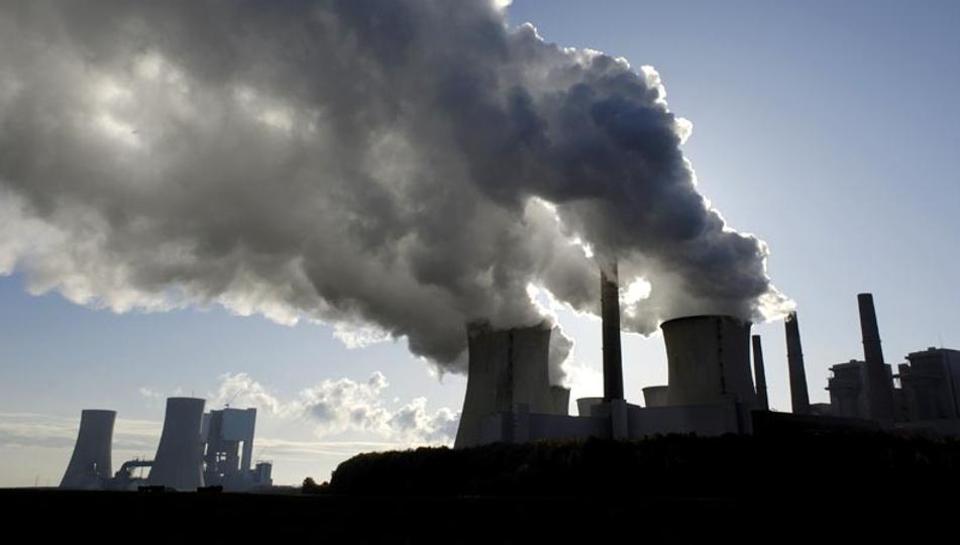
COP 26 last year was a show of strength by world leaders towards a sustainable future. While the United States (US) and China continued to add to the pledges and goals to achieve the ends of a greener future, countries such as Germany, which has prepared for the closure of its three remaining reactors by the end of 2022, had also pledged Germany signs pledged to end foreign fossil fuel funding by 2022. The Russia-Ukraine conflict has starkly changed this situation.
India, at COP 26, established the panchamrit for its sustainability agenda. The five nectars for the panchamrit being expanding non-fossil energy capacity to 500 GW by 2030, meeting 50% of its energy requirements from renewable energy by 2030, reducing the total projected carbon emissions by one billion tonnes from then till 2030, reducing the carbon intensity of its economy by more than 45 percent by 2030 and achieving target of net zero by 2070.
At the beginning of this month, the Office of the UN High Commissioner for Human Rights (OHCHR) recorded 11,152 civilian casualties in the country: 4,889 killed and 6,263 injured. The Russia-Ukraine conflict has had and continues to have, a severe impact on human life and mobility in the region.
Russia, which supplies around one third of German gas imports, and is heavily relied upon by the European Union to meet its energy demands, has used the energy crisis to make its point – one that establishes that energy security in the 21st century is an integral part of national security concerns. With the overall Russian gas supply to Europe down to 1/3rd compared to last year, “Social peace in Germany is being challenged” as gas prices are set to sore, having a cascading effect on industries across the continent. Europe’s Worst Energy Nightmare Is Becoming Reality, with most EU countries bracing for an unprecedented impact as the flow of natural gas to Europe via the Nord Stream 1 pipeline fell to zero earlier this Monday, July 11th, due to an extended outage. The price rise across sectors and the consequent market instability is also Russia’s strategic manoeuvre to show its discontent towards the halting of the much hyped Nord Stream 2 pipeline sought to supply a major push to Europe in pre-conflict times.
While the United States, the European Union and others have imposed economic sanctions on Russia, and have announced plans to wean themselves off that country’s fossil fuels, the task seems to have set in motion internal turmoil as inflation rates and prices continue an upward trend. It has been suggested that the current conflict might, at the cost of social unrest, speed up Europe’s move away from fossil fuels, it could slow the decarbonisation efforts and boost greenhouse gas emissions in other parts of the world.
In March this year, in a suo moto statement by India’s external affairs minister, S. Jaishankar in the Rajya Sabha on the “Situation in Ukraine”, it was pointed out that the Ukraine conflict has major economic implications. Its impact on energy and commodity prices is visible. The disruption of global supply chain is expected to be significant. India has substantial dealings with both Russia and Ukraine.
The statement summed up the global situation with a specific impact on the oil and gas trade. India’s import dependence on crude has hovered around the 86% mark over the last year. With consumption on the rise, Russia’s discounted rates for crude have been an attractive opportunity for the Indian industry to buy into and distracts from actively pursuing consistent efforts towards decarbonisation.
It needs to be noted that supply disruptions are commonplace in an economically volatile system of crude trade. With an increase in inflation, and the petrol and diesel prices, India is to relook at its strategy to meet the panchamrit goals set out in Glasgow. There are lessons in the current European situation: of diversification and just transition.
While a precipitous intervention would be ill-advised, a global phased approach towards just transition to non-fossil fuel-based economy is the need of the hour. A large part of the energy dynamics is formed by consumption behaviour and industry standards for energy efficiency. By looking at incentivising energy efficient products at the consumer level and consumer behaviour, a long-term response can be envisaged in the near future.
Effective climate governance would thus require equal weightage to be given to climate finance, energy efficiency, just transition towards renewable forms of energy, and incentivising climate positive behaviour within the global citizenry. This would include ambitious investments in solar, and wind energy as well as energy storage and grid infrastructure. In the current scenario, the rise in expenditure on imported fossil fuel in the developing world would also mean that comparatively lesser funds would be available to invest in alternate renewable sources of energy and their infrastructure.
However, as an immediate next step it is imperative for India and other countries that had made ambitious pledges in Glasgow to limit their dependence on the import of fossil fuels and strengthen domestic policies and infrastructure to enable a just transition towards clean energy. It is also important for market viability and stability that such policies remain politics and international security concerns agnostic to have maximum effect in the coming decades.
The article has been authored by Eeshan Chaturvedi, an assistant dean and associate professor, Jindal School of Environment and Sustainability, OP. Jindal Global University, India, Ph.D candidate, Stanford University.


