
Filmmaker Imtiaz Ali made a spirited case for flawed, unapologetic female characters during a session titled Women in Imtiaz Ali’s Cinema: Gunahgar Auratein? at the 14th edition of Metaphor Lucknow Litfest on Saturday. Rejecting moral policing in storytelling, the director said he hopes his female protagonists continue to break societal rules in order to discover themselves. “Main umeed rakhta hoon ki meri filmon ki auratein gunehgar rahein. Kuch gunah aise hote hain jo aapko apne qareeb laate hain, society ko challenge karte hain,” said Ali, making a case for women who refuse to let society dictate their choices.
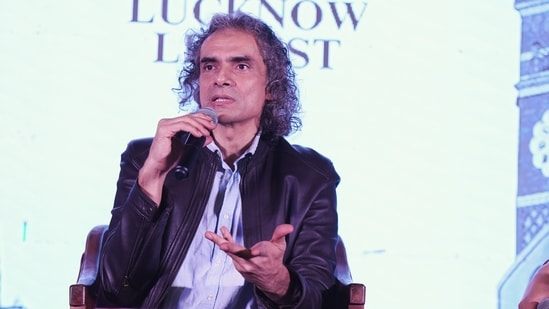
Explaining why he is inclined toward complex women characters on screen including from outspoken Geet in Jab We Met and layered Tara in Tamasha to free-spirited Meera in Love Aaj Kal and fiercely passionate Heer in Rockstar, the director stressed that cinema should reflect agency rather than offer sermons. Calling women “stronger than men, both in life and society,” he added, “As a filmmaker, I am not here to preach morality or give lessons. I want to tell the stories of interesting women who challenge conventions and live life on their own terms.”
Among his heroines, Ali singled out Veera, played by Alia Bhatt in the 2014 road drama Highway, as the most rebellious. In the film, Veera is abducted just before her wedding and travels across shifting landscapes from Rajasthan to Himachal Pradesh. The one who define freedom on her own terms rather than within the expectations of the society. “She was the most rebellious because she left society, she walked away,” said Ali.
Moving beyond cinema, Ali spoke about the culture of shame imposed on women and how solidarity and financial independence could help them reclaim control over their lives. Urging women to reject forced compromises between ambition and personal fulfillment, he concluded, “Women should not have to choose. They must aspire for everything and they can very well have everything.”
{{/usCountry}}Moving beyond cinema, Ali spoke about the culture of shame imposed on women and how solidarity and financial independence could help them reclaim control over their lives. Urging women to reject forced compromises between ambition and personal fulfillment, he concluded, “Women should not have to choose. They must aspire for everything and they can very well have everything.”
{{/usCountry}}ABOUT THE AUTHOR
S Farah Rizvi writes on Bollywood, OTT, television and culture for the daily Entertainment & Lifestyle supplement, HT City.