The Indian Railways on Friday responded to some of the criticism over the management of Shramik Special service including diversions and the lack of food and water on board with a glimpse of the mammoth exercise and the challenges it had to meet. The Chairman of the Railway board highlighted that only 1.85% of 3,840 Shramik Specials trains operated till May 28 had been diverted due to congestion on route to destinations in Uttar Pradesh and Bihar.
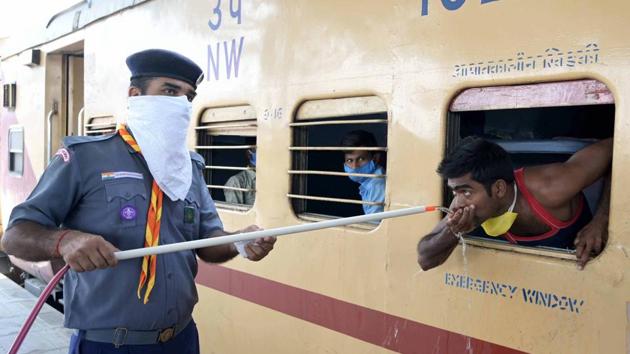
The explanation by the railways follows several incidents of Shramik special trains-- meant to transport migrant labourers stranded due to the lockdown to their home states-- running late by more than 24 hours and getting diverted through unannounced routes apart from scarcity of food, water and hygiene onboard were reported in the past week.
Presenting the Railways defence to criticism on the above issues, the chairman said the national transporter had operated a total of 3,840 Shramik Special trains between May 1 and May 28 to carry close to 52 lakh migrants home and only 71 of those trains were diverted on four days due to congestion on the busiest routes.
“During the period of May 20 and May 24, the railways tried to meet every demand for Shramik Specials from the states. On one of these four days, Railways operated 279 Shramik trains and on the other three days, over 250 trains were operated. 90% of these trains were destined for Uttar Pradesh and Bihar, resulting in congestion on those routes,” he said.
Railways data shows that 36.5% of all Shramik trains have ended up in Bihar while 42.2% have terminated in Uttar Pradesh, leading to unequal pressure on these routes.
“The congestion was also due to our eagerness to meet all the demand for trains made by the states,” he added.
The senior railway official added that apart from these four days, not a single Shramik train was diverted. He added that the Shramik trains were now, on an average, running at faster speeds than super fast trains and reaching their destinations on time.
A break up of the diversions on these four days shows that out of a total of 71 trains originating from Maharashtra, Gujarat, Karnataka and Rajasthan, 51 were destined to Bihar, 16 to Uttar Pradesh, two to Jharkhand and one each to Manipur and Assam. 23 trains were diverted via Palwal, four via Rewari, 37 via Jharsuguda and seven via Singrauli.
The HT Guide to Coronavirus COVID-19
On the issue of provision of food and water, the general manager said the railways had provided 85 lakh meals and 1.25 crore bottled water to passengers on Shramik specials so far. Explaining the arrangement, he said the state governments were responsible for providing food and water to migrants at the originating stations while the railways served free packaged meals and bottled water on board during the journey.
“Railway divisions mobilized local Halwais, Bakeries at various stations to prepare snacks and food for Shramiks,” he said.