
 E-Paper



Amit Shah in Arunachal, a week after China renamed land near Kibithoo
The emerging big picture of Modi government strengthening border defences with the local support is a sea change from Indian position two decades ago.

 Prefer HTon Google


A week after China renamed a piece of forest clearing north of Kibithoo in Anjaw district of Arunachal Pradesh, Home Minister Amit Shah will be launching the “Vibrant Villages Program” at the same Kibithoo town today as part of Modi government’s efforts to link all the border villages in states sharing Line of Actual Control (LAC) with China.
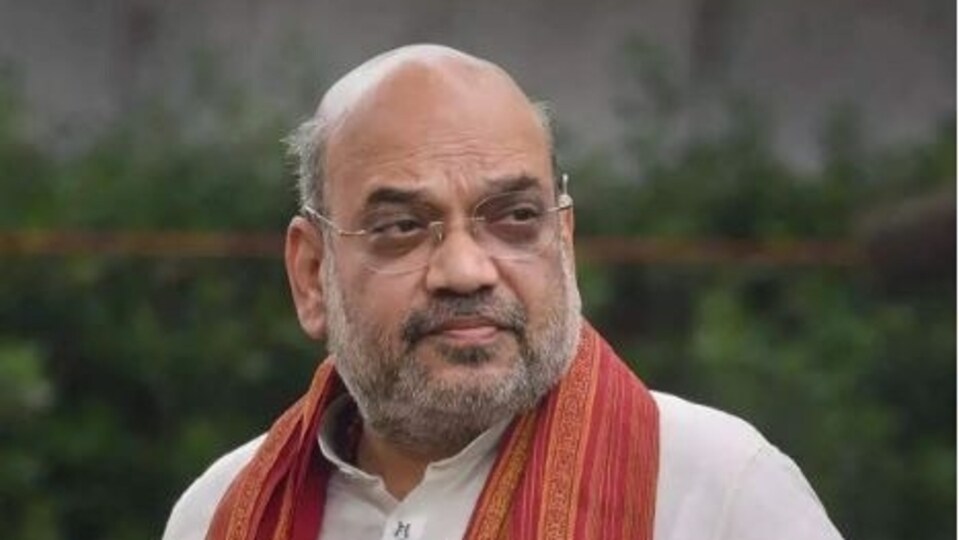
The ₹4800 crore border village development plan which includes a ₹2500 crore component for road connectivity between 2023-2026 is designed to cement border defences through better roads and infrastructure and reversing the migration of locals from these towns. The migration of locals from these border villages has been noted with concern in Uttarakhand State which shares a 345 km boundary with Tibet under China and is the closest border to New Delhi.
The village program will not only link with border villages but also provide trans valley connectivity in states of Arunachal Pradesh, Sikkim, Uttarakhand, Himachal Pradesh, and the Union Territory of Ladakh. Dove-tailed into this initiative is the Modi government’s decision to raise seven more battalions of ITBP with 47 new outposts and 12 staging camps at the cost of ₹1800 crore to guard the India-Tibet border from any Chinese PLA transgressions.
It is quite evident that the ITBP with the exception of annual rest and recreation of some battalions will remain on heights above 15000 feet to guard the LAC, and work in synergy with the Indian Army, from Karakoram Pass in East Ladakh to Barahoti Plains in Uttarakhand to NathuLa in Sikkim to Zemithang, the last border village of Arunachal along the LAC.
The emerging big picture of Modi government strengthening border defences with the local support is a sea change from Indian position two decades ago when Indian Army and the Indian diplomatic establishment did not want border roads to be developed lest the PLA made a run towards the Indian hinterland.
While the legacy of 1962 war still haunts the Indian military and diplomatic establishment, the Modi government has decided to counter the challenge posed by China post May 2020 transgressions in East Ladakh. Home Minister Amit Shah’s visit to the Walong War Memorial today will also send a message to China that new India has not forgotten the 1962 perfidy by Communist China.


