
 E-Paper



Ban on marks-based segregation among key SC guidelines to combat student suicide
Coaching centres and schools must eliminate batch segregation based on performance, public shaming, and aggressive academic targeting, instructed the court.

 Prefer HTon Google


The Supreme Court on Friday issued sweeping national guidelines mandating psychological safeguards and regulatory oversight across all educational institutions. The move comes in response to a disturbing rise in student suicides, described by the Court as a “systemic failure that cannot be ignored.”
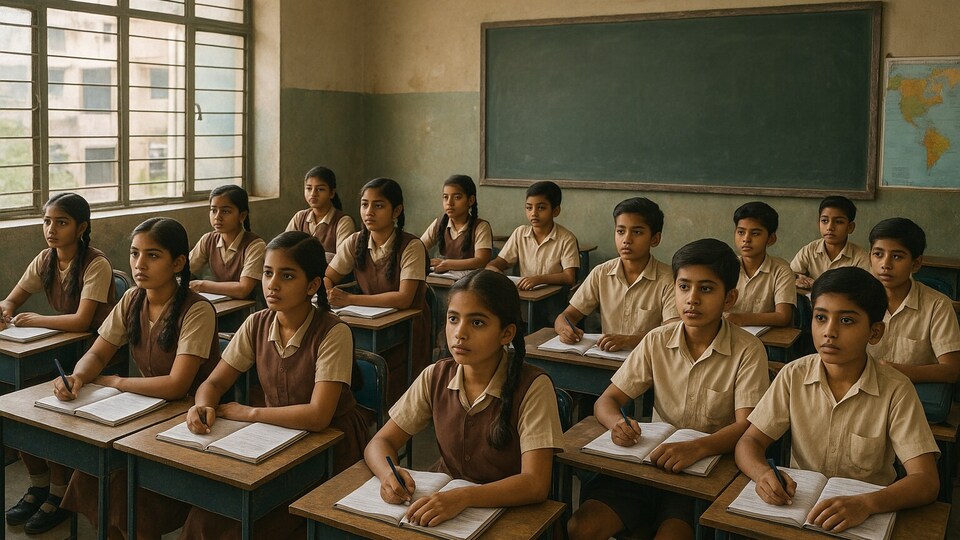
The ruling, delivered by a bench of Justices Vikram Nath and Sandeep Mehta, applies to schools, colleges, universities, private coaching centres, training academies, and hostels. Drawing powers from Articles 32 and 141 of the Constitution, the Court’s guidelines are to be treated as the law of the land until formal legislation is enacted.
Tragic catalyst
The judgment stems from the case of a 17-year-old NEET aspirant, referred to as Ms X, who died by suicide in July 2023 while preparing for medical entrance exams at Aakash Byju’s Institute in Visakhapatnam. The Court, responding to her father’s petition, transferred the case to the Central Bureau of Investigation (CBI), overturning an earlier dismissal by the Andhra Pradesh High Court.
The Court noted that distress among India’s youth points to a deeper “structural malaise” in the country’s educational ecosystem. Data from the National Crime Records Bureau revealed that India recorded 170,924 suicides in 2022, with students accounting for 7.6% — approximately 13,044 — of those deaths. Of these, over 2,200 were linked directly to examination failures.
Key guidelines issued
To combat this crisis, the Supreme Court laid down a set of uniform mental health policies for all educational institutions, based on government frameworks like UMMEED, MANODARPAN, and the National Suicide Prevention Strategy. The key directives include:
- Mandatory Mental Health Professionals: Institutions with over 100 students must employ at least one qualified mental health professional (psychologist, counsellor, or social worker). Smaller institutions must have formal referral systems to external experts.
- Suicide Helplines: Helpline numbers, including Tele-MANAS, must be prominently displayed in campuses, hostels, common areas, and websites.
- End to Performance-Based Segregation: Coaching centres and schools must eliminate batch segregation based on performance, public shaming, and aggressive academic targeting.
- Staff Training: All staff must be trained at least twice a year in psychological first aid, warning sign identification, and referral mechanisms. Special sensitivity training is mandated for working with marginalised groups including SC, ST, OBC, EWS, LGBTQ+ students, and those with disabilities or trauma histories.
- Safe Infrastructure: Residential institutions must install tamper-proof ceiling fans and restrict rooftop and balcony access to deter impulsive self-harm.
- Reporting & Support Mechanisms: Institutions are required to have confidential systems for reporting sexual assault, ragging, and discrimination based on caste, gender, religion, or orientation — with immediate psychosocial support.
- Holistic Development: The Court urged educational institutions to reduce exam-related pressure by broadening definitions of success, promoting extracurricular activities, and ensuring interest-based career counselling for students and parents.
Regulatory mandates
The Court also addressed the need for regulatory clarity:
These guidelines will remain binding until Parliament or state legislatures enact a comprehensive legal framework.
All States and Union Territories must frame rules within two months to regulate private coaching centres and ensure student safety.
The Central Government must file a compliance affidavit within 90 days detailing steps taken, coordination with state authorities, and progress made by the National Task Force on student mental health.
Focus on high-risk regions
Coaching hubs like Kota, Jaipur, Sikar, Chennai, Hyderabad, Delhi, and Mumbai, where intense academic environments prevail, have been singled out for priority mental health interventions and stronger preventive infrastructure.


