E-Paper



Din, disruptions and a dozen bills: Monsoon Session comes to a close
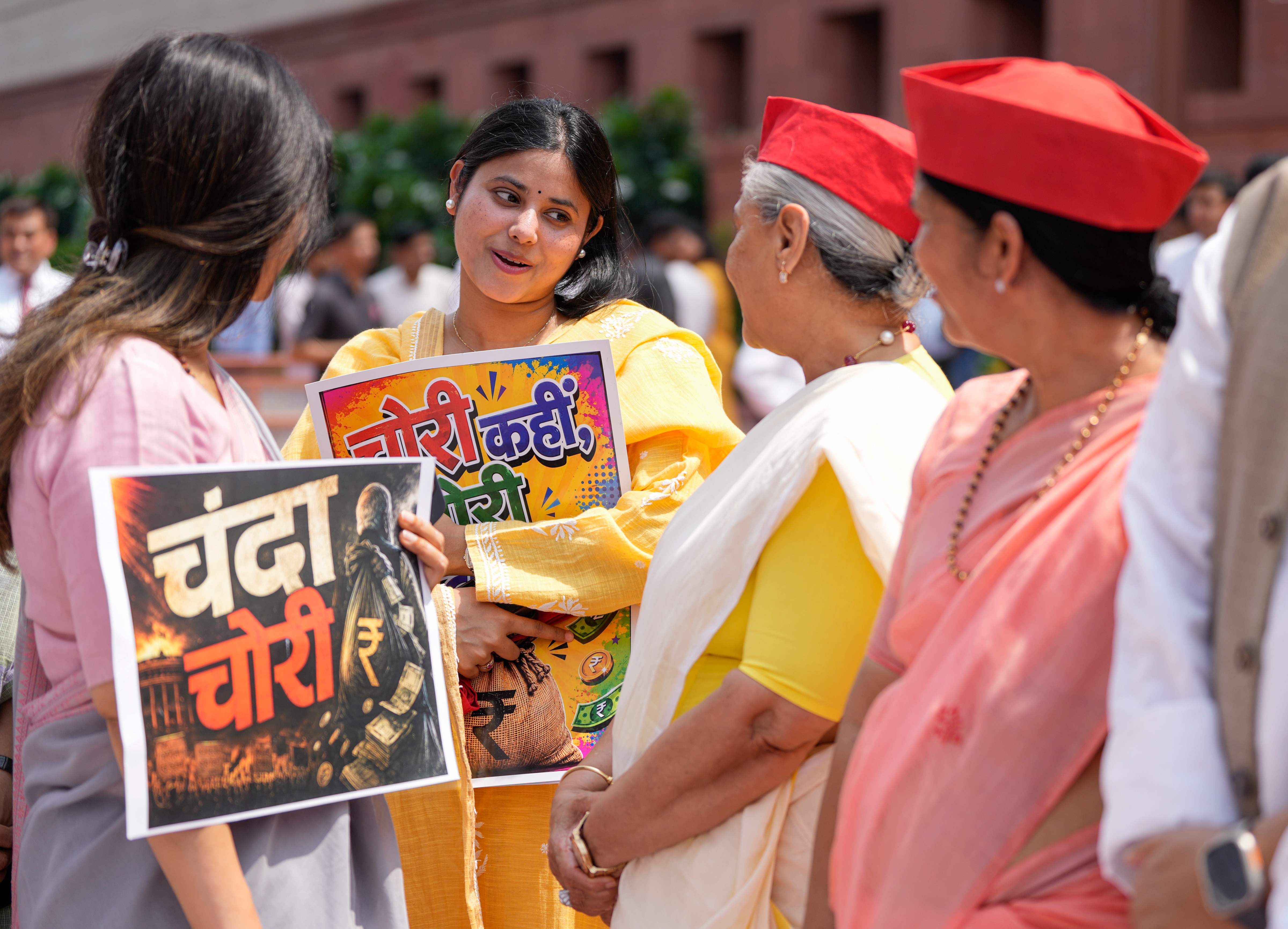
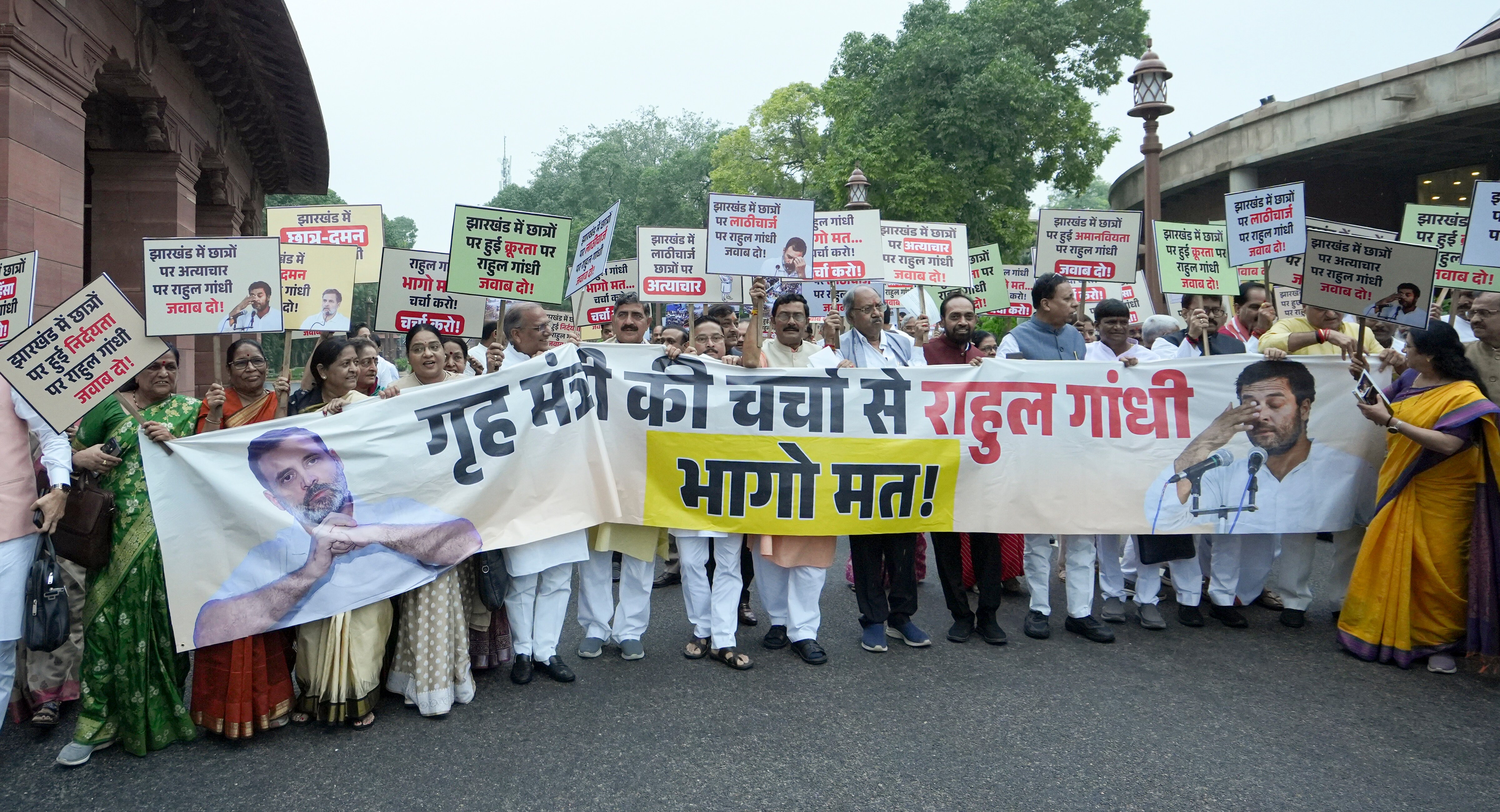
The disruptions had two key flashpoints. One was the police crackdown on students at Jantar Mantar and the other was the alleged theft of Ram Temple donations.

 Prefer HTon Google


Parliament's 25-day monsoon session ended in acrimony on Thursday, with both Houses adjourned sine die after a stretch that saw proceedings disrupted almost daily, with Lok Sabha going without a completed Question Hour on even a single sitting day.
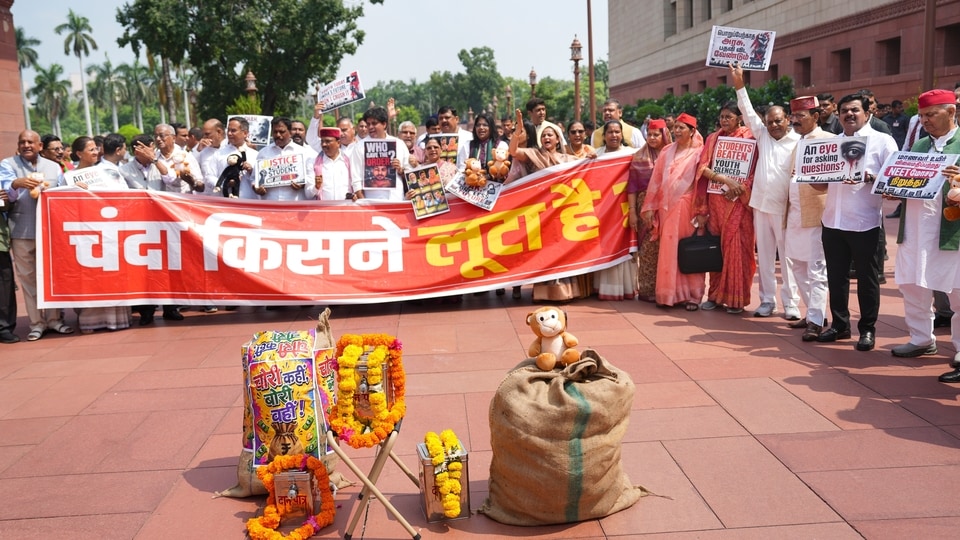
The disruptions had two key flashpoints. One was the July 20 police crackdown on students protesting at Jantar Mantar over the NEET-UG 2026 paper leak — an episode that led to Dharmendra Pradhan’s resignation as Union education minister, and that the opposition wanted Union home minister Amit Shah to explain in the House.
The other was a running opposition allegation of theft of donations collected at the Ram temple in Ayodhya.
The Lok Sabha played all six stanzas of the national song Vande Mataram soon after convening on Thursday, after which speaker Om Birla adjourned the House sine die. He skipped the traditional valedictory address, which typically highlights the session's performance and productivity. The Congress, the Samajwadi Party and the Trinamool Congress boycotted the customary meeting with Birla thereafter.
Also Read | Lok Sabha Om Birla urges Opposition to end Parliament logjam
The Rajya Sabha was also adjourned sine die, ending the session. Chairman CP Radhakrishnan expressed "deep concern" over disruptions that "derailed" the business of the House. Overall, the Lok Sabha functioned for 17.5 hours while the Rajya Sabha worked for 37.4 hours.
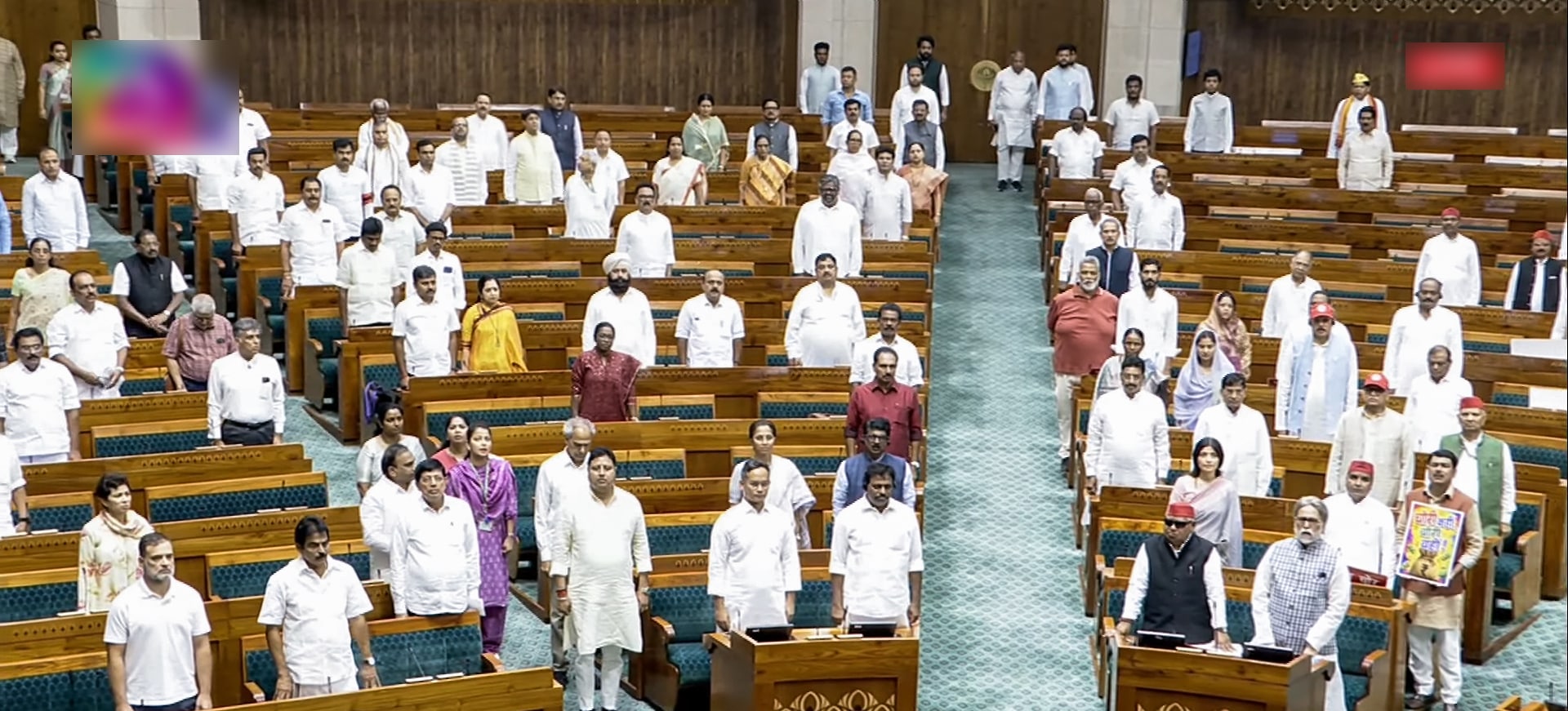
Jantar Mantar crackdown dominates session
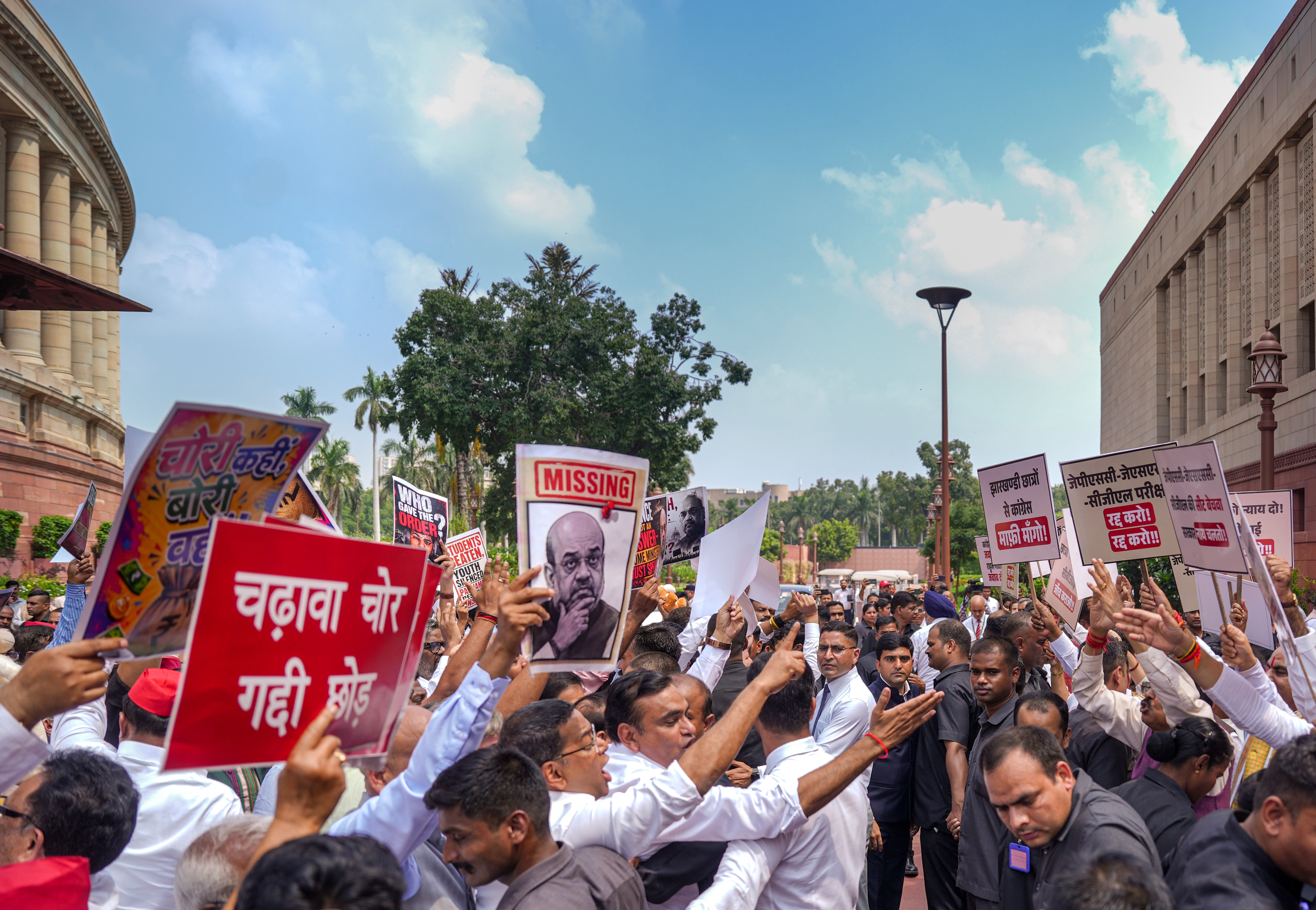
The session was dominated by a showdown between the Opposition and the Centre over the former's demand for a debate and a statement by Shah on the police crackdown on protesting students at Delhi's Jantar Mantar last month, which led to the resignation of Dharmendra Pradhan as Union education minister.
On the penultimate day, the Centre's push for a debate failed as the Opposition rejected Shah's offer of a two-day discussion on the NEET paper leak and other issues, followed by a reply from him. "The Centre is ready for discussions. The House should be allowed to run, the Opposition should submit a letter to the speaker by 2pm today. We are ready to start discussion at 3pm today," Shah told reporters outside Parliament on Wednesday.
Also Read | Rijiju defends Shah amid Oppn persistent demand for HM’s statement
He also wrote to Birla conveying the government's readiness to participate in the discussion. Congress leader Rahul Gandhi called it a “last-minute attempt” and said the Opposition was not interested in listening to Shah’s lecture.
The bills Parliament dealt with
Despite repeated disruptions and protests inside and outside Parliament, both Houses tabled and in some cases, passed a series of bills.
Foreign contribution bill referred to JPC after Opposition, church pushback
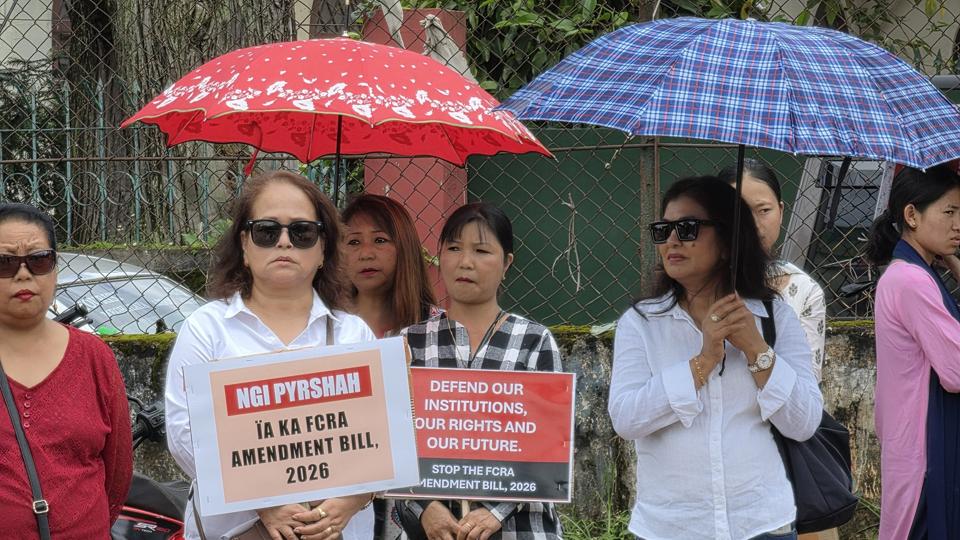
A bill proposing contentious changes to India's foreign contribution law was referred to a 31-member joint parliamentary committee (JPC) amid a standoff between the government and the Opposition, and repeated disruptions in the Lok Sabha on Wednesday.
Among the key concerns are a plan to empower a "designated authority" to take over, manage or sell assets built with foreign funds by non-governmental organisations whose licences are cancelled, suspended or not renewed.
The Foreign Contribution (Regulation) Amendment Bill - it was introduced in the previous session but held back - drew objections from the Opposition, several church delegations and four chief ministers of Christian-majority states.
Minister of state for home affairs Nityanand Rai moved the resolution in the Lok Sabha to form the JPC, comprising 21 Lok Sabha members and 10 Rajya Sabha members. A BJP member is expected to head the panel. The Opposition, which had pushed the government to scrap the bill, said it would join the committee.
Centre, Opposition united over paper leak
The Public Examinations (Prevention of Unfair Means) Amendment Bill, 2026 — brought against the backdrop of protests by students after the NEET-UG 2026 paper leak — was the only legislation passed in both Houses after a full debate this session. The bill overhauls the 2024 law by introducing stricter jail terms, enhancing penalties, and setting timelines for probe and trial in fast-track courts.
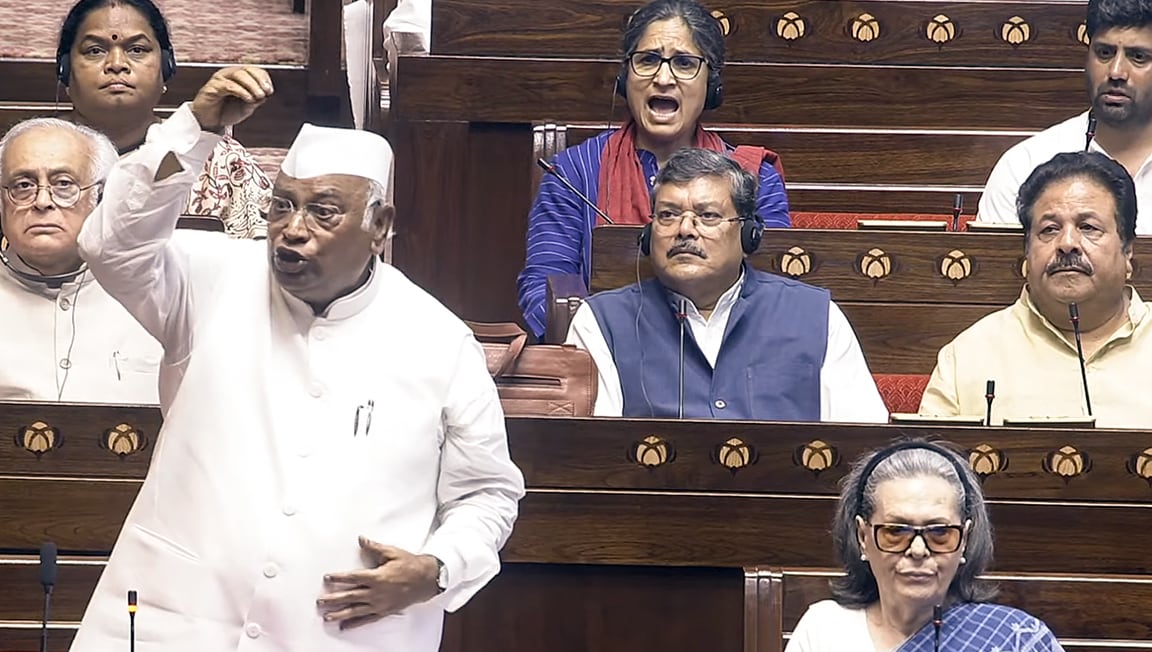
According to PRS Legislative Research, the Lok Sabha spent over 10 hours discussing the bill and the Rajya Sabha over six hours. Opposition parties led by the Congress staged a walkout before the bill was passed in the Rajya Sabha, with leader of the Opposition Mallikarjun Kharge saying it was incomplete in its current form. Leader of the House JP Nadda condemned the move.
"It is indeed an achievement to clear a number of bills with one week left in the session. But we should not be blamed for passing the bills amid din," a senior government functionary told HT on condition of anonymity.
New law brings banking records into the digital age
Both Houses passed the Bankers' Books Evidence Bill, 2026, replacing a 135-year-old British-era statute with a framework that makes electronic, digital, virtual and cloud-stored bank records admissible and enforceable evidence in court.
The law it replaces, the Bankers' Books Evidence Act of 1891, was built for a world of physical ledgers, and was never designed for cloud-based, electronic, digital or other storage formats even after several amendments.
Delayed registration of births, deaths made more stringent
Parliament also passed the Registration of Births and Deaths (Amendment) Bill, tightening one of India's oldest civil laws. The change is narrow on paper — a single sub-section of the Registration of Births and Deaths Act, 1969 — but it re-routes how births and deaths reported more than two years late are registered.
Beyond that threshold, cases now go to a judicial magistrate of the first class, a judicial officer under the high court, instead of an executive magistrate, a district-cadre administrator under the state government.
This is the second time in three years that Parliament has amended a statute most people encounter only once — to prove they were born.
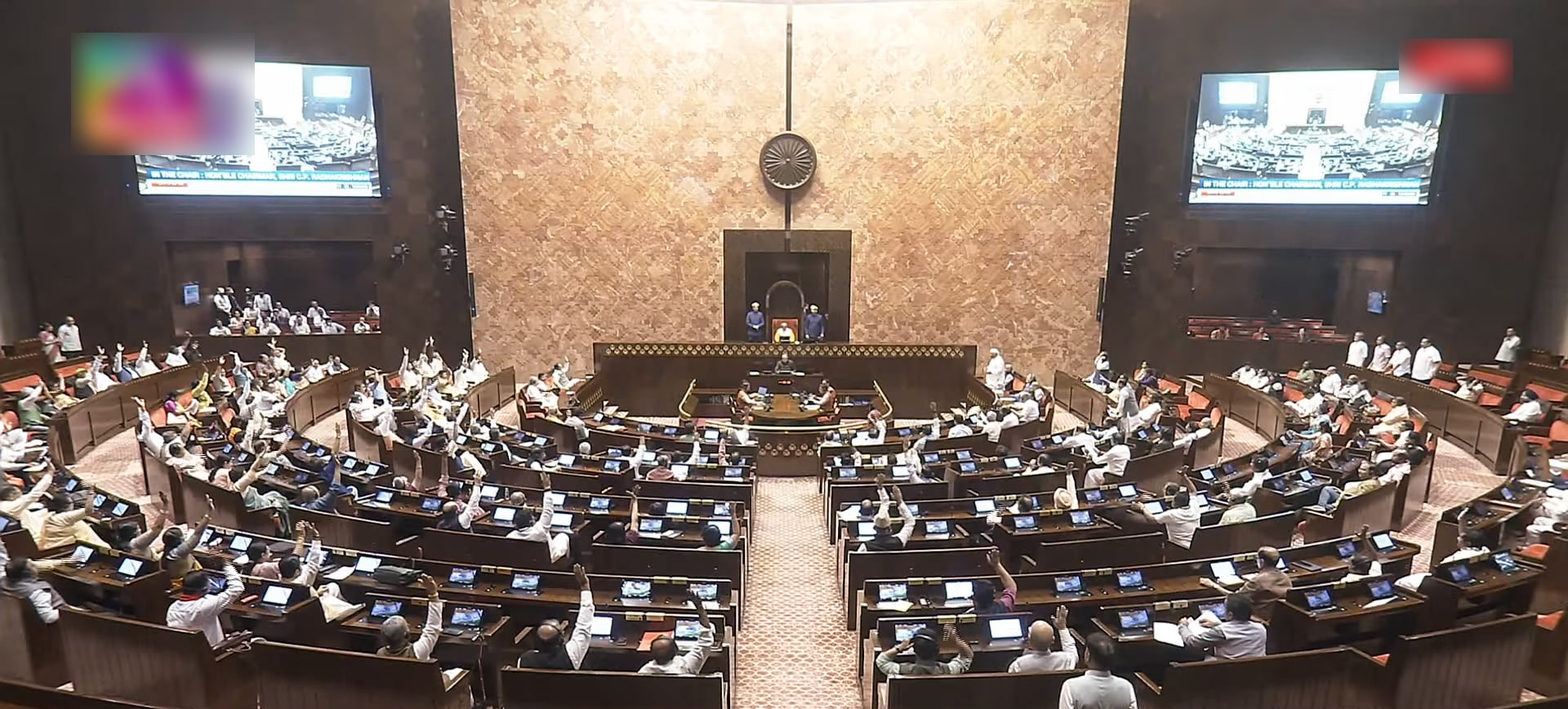
"The government wants that every child born in the country should be registered and every death should also be registered... Anyone who has died, cannot continue to remain in the voter lists to benefit some parties," minister of state for home affairs Nityanand Rai said.
Several members of the National Democratic Alliance backed the bill as necessary, while the Opposition pressed for Shah's presence in the House. CPI(M)'s AA Rahim, among those raising the demand, cited the deaths of more than 20 students linked to the NEET paper leak.
'Vande Mataram' gets legal protection on a par with national anthem
Both Houses cleared a bill giving Vande Mataram the same legal status as the national anthem — the first bill passed amid din this session. President Droupadi Murmu gave her assent on Tuesday.
The Prevention of Insults to National Honour (Amendment) Bill, 2026 went through on a voice vote after 14 minutes of debate, with only three MPs — DMK's K Kanimozhi and A Raja, and BJP's Sambit Patra — speaking.
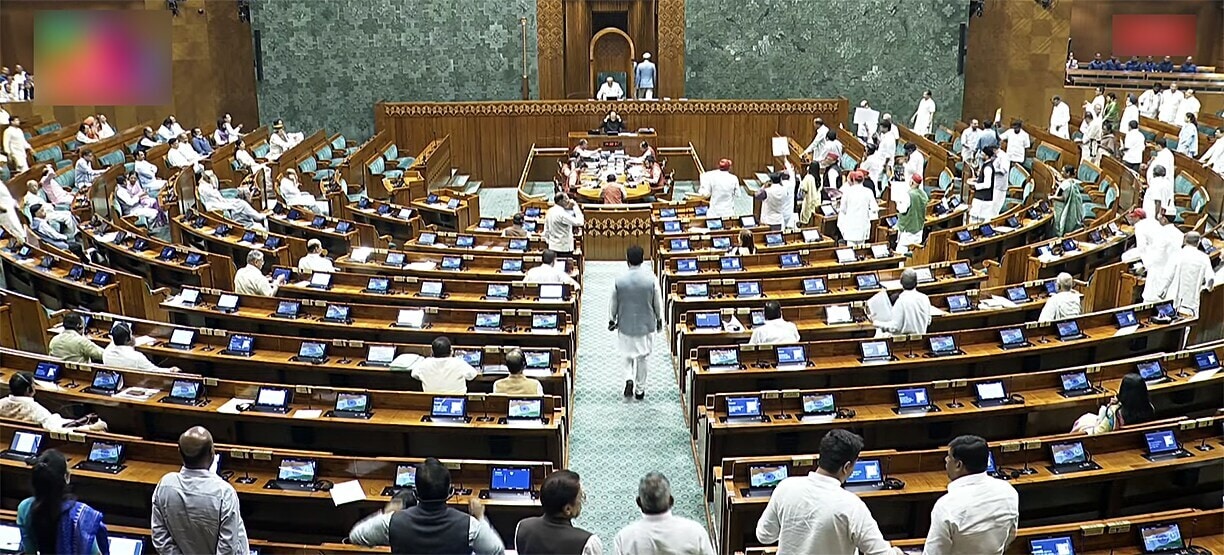
It makes insulting or obstructing the national song a criminal offence, punishable by up to three years in jail and a fine, extending protections currently reserved for the national flag, anthem and Constitution.
Patra said the timing coincided with Vande Mataram's 150th anniversary. The Opposition said nationalism cannot be legislated. The move follows the Centre's earlier decision making all six stanzas mandatory, departing from the two-stanza version adopted as the national song in 1950.
Sitharaman assures no UPI tax, but bill gives Centre power to redefine what stays free
Parliament passed the Taxation and Other Laws (Amendment) Bill, with finance minister Nirmala Sitharaman ruling out any tax on UPI. Digital payments stay free for consumers, she said.
Cleared by the Lok Sabha last week, the bill was passed in the Rajya Sabha by a voice vote after a brief debate and Sitharaman's reply. It severs the link between the Payment and Settlement Systems Act and the Income Tax Act, and gives the government legal backing to alter the zero-MDR framework for UPI and RuPay.
Banks and payment providers cannot currently charge users on UPI or RuPay debit transactions, directly or indirectly. The bill lets the Centre decide, by notification, which payment modes stay free.
Supreme Court judges to increase
Parliament also passed the Supreme Court (Number of Judges) Amendment Bill, 2026, raising the top court's sanctioned strength from 34 to 38 judges, including the Chief Justice of India.
The bill, which replaced a May ordinance, received the President's assent on Tuesday and comes amid a mounting case backlog. It cleared on a voice vote as Opposition members walked out, with Union minister Arjun Ram Meghwal saying the government was committed to judicial independence.
Kerala set for a new name: Keralam
Kerala will soon be known as Keralam. The Rajya Sabha passed the Kerala (Alteration of Name) Bill, 2026, by voice vote on Wednesday, a day after the Lok Sabha cleared it.
"The bill provides that the State of Kerala will be known as the State of Keralam," Rai said. The Constitution's First Schedule will be amended under Article 3 to reflect the new name.
Parliament clips states' powers to tax minerals
Parliament also passed the Mines and Minerals (Development and Regulation) Amendment Bill, 2026, curbing states' powers to tax mineral rights and "mineral-bearing lands". The bill went through on a voice vote, without debate, amid Opposition protests.
A new section bars states from imposing "any tax, cess or such other levy (by whatever name called)" on mineral rights or mineral-bearing lands — whether linked to mineral quantity, value or royalty — unless the central government prescribes otherwise. It will take effect once the President gives assent.
Parliament passes bill to fix delayed payments to MSMEs
Parliament passed the Micro, Small and Medium Enterprises (MSME) Development (Amendment) Bill, 2026, aimed at the long-standing problem of delayed payments to MSMEs. The bill seeks to improve the sector's administrative structure and streamline payment mechanisms.