E-Paper



‘Cockroaches’ attacking system: SC rebukes over growing assaults on judiciary
The Supreme Court on Friday came down hard on what it described as growing and unwarranted attacks on the judiciary and the legal system

 Prefer HTon Google


The Supreme Court on Friday came down hard on what it described as growing and unwarranted attacks on the judiciary and the legal system, with Chief Justice of India (CJI) Surya Kant remarking that some unemployed youngsters end up becoming “media, social media, RTI activists and other activists” and begin targeting institutions.
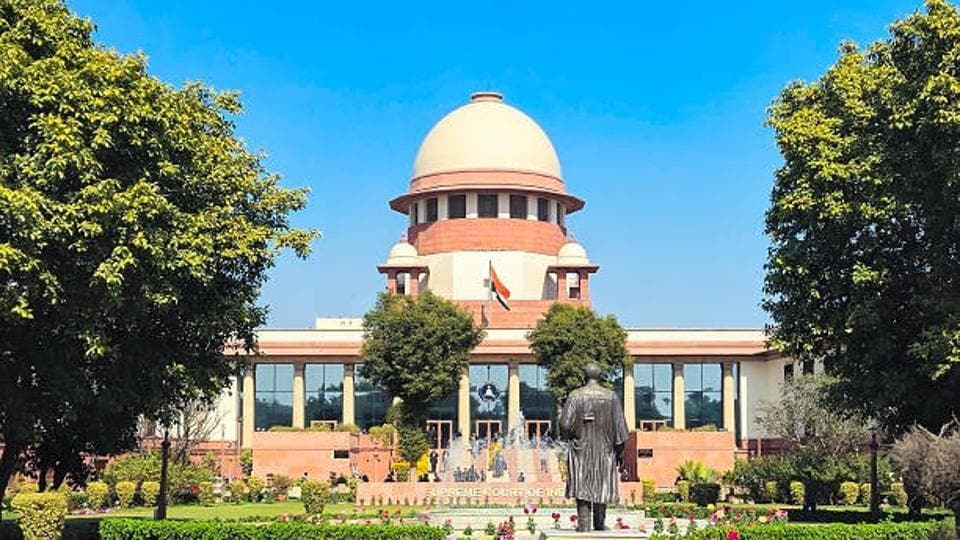
“There are youngsters like cockroaches, who don’t get any employment or have any place in profession. Some of them become media, some of them become social media, RTI activists and other activists and they start attacking everyone,” the CJI observed during the hearing of a plea relating to the conferment of senior advocate designation.
The remarks came from a bench of the CJI and Justice Joymalya Bagchi while hearing a petition filed by advocate Sanjay Dubey seeking contempt action over the alleged delay by the Delhi High Court in implementing the Supreme Court’s guidelines governing the designation of senior advocates.
The bench refused to entertain the plea and expressed strong disapproval of the petitioner’s conduct, observing that the designation of a senior advocate is a distinction “conferred” by the court and not something to be actively pursued through litigation.
“You are pursuing it. Does it look proper?” the bench asked, while questioning whether senior designation was merely a “status symbol” to be kept ornamentally.
Justice Bagchi remarked: “Is a senior advocate tag a status symbol which is ornamental to be kept or for your participation in the justice system?”
At one point during the hearing, the bench told the petitioner: “The entire world may be eligible to become senior (advocate), but at least you are not entitled.”
A visibly displeased CJI also referred to the language allegedly used by the petitioner on Facebook and warned that such conduct was inconsistent with the discipline expected from members of the legal profession.
“Let people understand the kind of language you are using on Facebook. I will show you what is the meaning of discipline in the profession,” the CJI said.
The court further observed that there were already “parasites” in society attacking institutions and questioned whether the petitioner wished to “join hands with them”.
“There are already parasites in society who attack the system and you want to join hands with them?” remarked the bench.
During the hearing, the court also flagged concerns over the increasing number of lawyers allegedly possessing fake or dubious degrees and suggested that the issue required investigation.
“Thousands of fraudulent people wearing black robes with serious doubts about their degrees. CBI needs to do something,” CJI Kant observed.
The bench further observed that ideally the Central Bureau of Investigation should probe the issue of fake law degrees, while adding that the Bar Council authorities were unlikely to act firmly because “they need their votes”.
“It said the Bar Council bodies would never do anything on this issue as they ‘need their votes’,” the bench observed during the proceedings.
As the hearing progressed, the petitioner apologised to the court and sought permission to withdraw the plea. The bench ultimately permitted the withdrawal of the petition.