E-Paper



Covid pandemic saw 22.1mn excess deaths; three times 7mn formally documented
Excess mortality was highest in 2021, with 10.4 million deaths, as more lethal variants emerged and health systems faced severe strain, before declining to 3.3 million deaths in 2023

 Prefer HTon Google


The latest World Health Statistical Report again underlined higher volumes of excess deaths during Covid-19 pandemic with the report estimating 22.1 million excess deaths having occurred between 2020 and 2023, over three times the documented 7 million deaths.
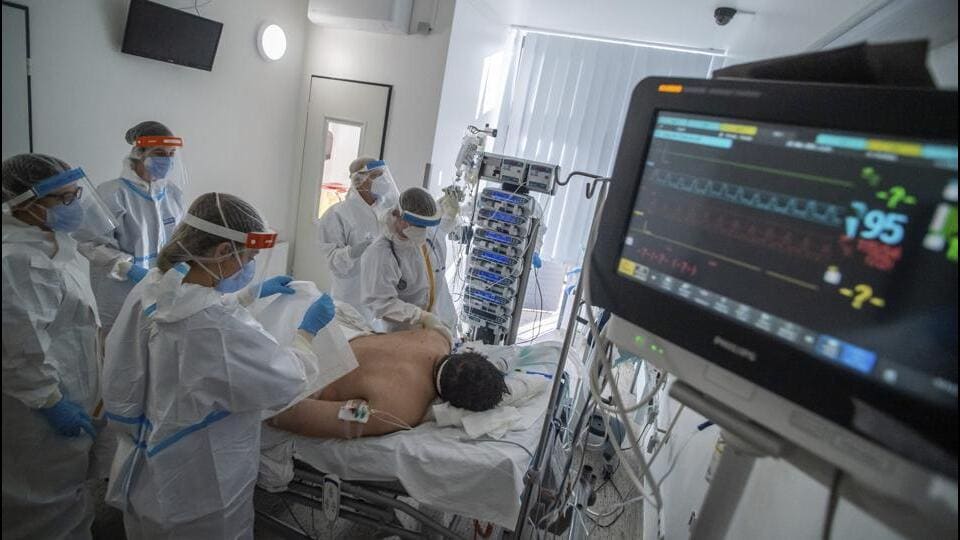
Excess mortality was highest in 2021, with 10.4 million deaths, as more lethal variants emerged and health systems faced severe strain, before declining to 3.3 million deaths in 2023. Men consistently saw higher excess mortality than women, with age-standardised mortality rates about 50% higher in men than women at the 2021 peak.
A strong age gradient was also apparent; excess mortality rose sharply in older adults and was 10 times higher in people 85 years and older than among younger adults, the data showed.
The Covid-19 pandemic inflicted a setback of historic proportions that wiped out nearly a decade of gains in life expectancy and healthy life expectancy by 2021, according to the report released on Wednesday. Recovery since 2022 has been uneven, with persistent disparities according to region, age and sex, it added.
The World Health Statistics report provides the most comprehensive annual assessment of global health trends available to WHO Member States and the broader international health community.
It added that progress toward s health-related Sustainable Development Goals is insufficient, uneven across regions and populations, and increasingly vulnerable to systemic shocks. It added that progress has stalled on universal health coverage, maternal and child health and reduction in premature mortality due to non-communicable diseases – which remain the leading causes of mortality globally.
Data show global long-term declines continue for infectious diseases: between 2010 and 2024, new human immunodeficiency virus (HIV) infections fell by 40%; the tuberculosis incidence rate has dropped 12% since 2015; and the number of people who required interventions for neglected tropical diseases fell by 36% from 2010.
Global malaria incidence, however, has risen 8.5% since 2015.
High prevalence rates of preventable risk factors continue to hold back improvements. Global anaemia prevalence in women of reproductive age rose slightly to 30.7% in 2023 compared with the 2012 level and overweight in children younger than 5 years has reached 5.5% in 2024.
According to the report, progress towards Universal Health Coverage (UHC) has slowed considerably in the sustainable development goal (SDG) era (after 2015, when the goals were adopted). Between 2015 and 2023, the global UHC service coverage index increased only from 68 to 71, reflecting a deceleration in improvement of about two thirds compared with 2000-15. About a quarter of the global population faces financial hardship due to out-of-pocket health spending, and 1.6 billion people are living in or have been pushed into poverty because of health expenses as of 2022, the report showed.
Coverage of four childhood vaccines (one SDG indicator ) is still below the 90% global target, particularly for the second dose of the measles-containing vaccine, and immunity gaps continue to fuel outbreaks.
Global mortality rates have improved since 2000, but progress has slowed sharply across key health areas, the report said. Maternal mortality ratio and under-5 mortality rate have fallen by 40% and 51% respectively since 2000, yet progress has slowed down in the SDG era. The 2023 maternal mortality ratio is still nearly three times the target and many countries are not on track to reach child mortality goals. Global premature mortality from the four main non-communicable diseases has declined by over 20% since 2000, but progress is uneven and has slowed significantly since 2015.
“As a result, no WHO region is on track to meet the 2030 SDG target; some regions are stagnating or worsening and the Covid-19 pandemic has added further uncertainty. While long-term declines have occurred in injury-related deaths – such as from road traffic injuries, homicides and unintentional poisoning – inequalities persist with notable regional variation and consistently higher risks among males for all of these causes,” read the report.
In addition, environmental risks, such as air pollution, cause millions of preventable deaths each year – 6.6 million deaths in 2021 were attributable to exposure to household and ambient air pollution from particulate matter.
“As the SDG period enters its final years, we must accelerate our efforts. Countries and partners have a shared responsibility to ensure sustained political commitment, adequate and predictable financing, and evidence-informed decision-making. This report provides crucial evidence on which, together, we must act,” said WHO Director-General, Tedros Adhanom Ghebreyesus, in the foreword.