
 E-Paper



Why road accident death figures differ in govt reports, Gadkari tells Rajya Sabha
The Centre said differences in India’s road crash death figures across MoRTH and NCRB reports stem from varying state and UT reporting methods.

 Prefer HTon Google


The variation in India’s official road crash death figures in the government’s “Road Accidents in India”, “Accidental Deaths and Suicides in India” and “Crime in India” is due to differences in reporting methodologies adopted by some states and Union territories, the government told the Rajya Sabha on Wednesday. It said the Centre is working with states and UTs to improve the quality, consistency and harmonisation of road crash reporting.
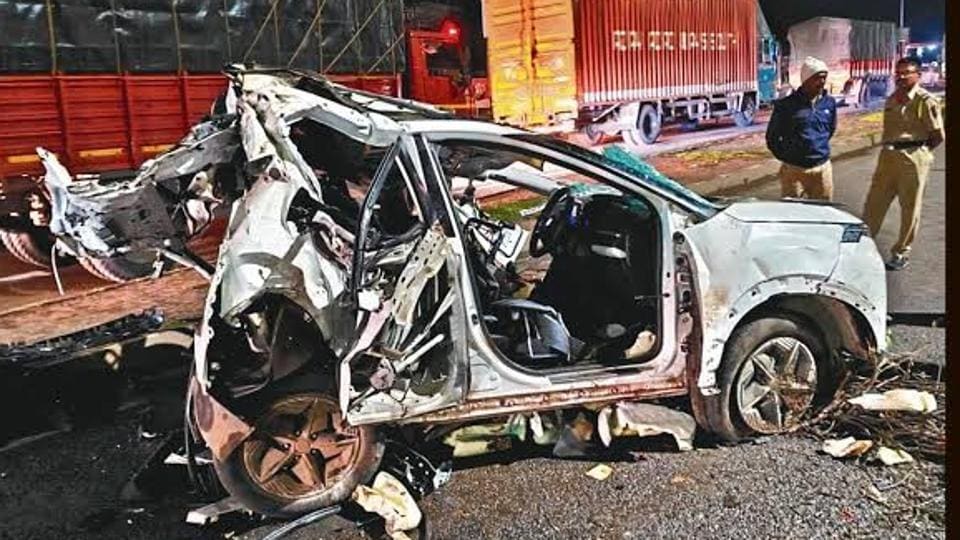
According to a ministry of road transport and highways (MoRTH) report, 177,175 people died in road accidents in 2024. The NCRB’s Accidental Deaths and Suicides in India reported 175,142 deaths, while Crime in India recorded 162,500 deaths under “deaths due to negligence relating to road accident”.
Replying to a question by Rashtriya Janata Dal (RJD) Manoj Jha, road transport and highways minister Nitin Gadkari said the differences may be attributed to methodologies used by states and UTs, including reporting through police departments and State Crime Records Bureaus.
The Crime in India report has narrower coverage because it records road accident deaths that are registered under the relevant provisions of the Indian Penal Code (IPC) or the Bharatiya Nyaya Sanhita (BNS). The government said that not every road accident needs to involve a violation of penal law, resulting in lower figures in that dataset.
The government said a unified national road-crash database has already been established through the Electronic Detailed Accident Report (eDAR) portal, formerly known as the Integrated Road Accident Database. It serves as a central repository for road accident data and is integrated with VAHAN, Sarathi, PM Gati Shakti, NHAI’s Data Lake and the National Health Authority’s Transaction Management System. Data on eDAR is entered and verified by police, transport and health departments, road-owning agencies and insurance companies, Gadkari said.


