E-Paper



China says border situation with India 'generally stable' amid Arunachal tensions
This came after India's external affairs ministry said that the state of border affairs has ramifications for overall India-China ties.

 Prefer HTon Google


China on Wednesday sought to play down reports of a military standoff with India in the Arunachal Pradesh sector of the Line of Actual Control (LAC), with a foreign ministry spokesperson saying the “border situation is generally stable”.
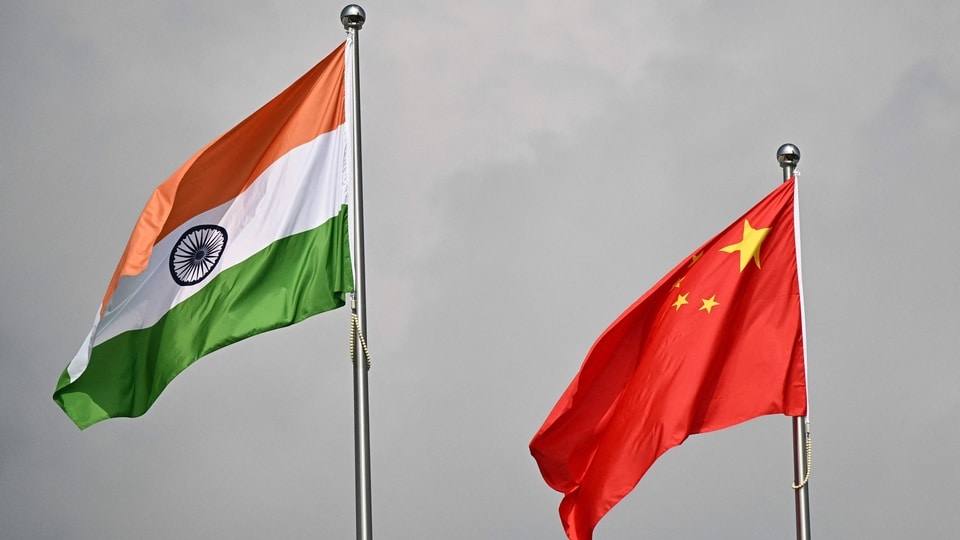
The comments by Chinese foreign ministry spokesperson Guo Jiakun came a day after the external affairs ministry said that the state of border affairs has ramifications for overall India-China ties, and that the two sides have agreed to use diplomatic and military mechanisms to “avoid misunderstanding and miscalculation” along the border.
The Indian side has officially offered no clarity on the current status of the standoff in Arunachal Pradesh sector, though people familiar with the situation said on condition of anonymity that problems first emerged in the remote Taksing area of Upper Subansiri district in early July and there had been several face-offs between Indian and Chinese troops.
Deep Dive

“The China-India border situation is generally stable at the moment. China and India held the 36th meeting of the Working Mechanism for Consultation and Coordination on China-India Border Affairs (WMCC) last week,” Guo told a media briefing without going into details.
Guo, who was responding to questions on videos on Indian social media claiming stepped-up Chinese military activity in Arunachal Pradesh, did not deny the reported standoff in the region.
The questions also referred to a recent military incident with India and increased Chinese military activity near Arunachal Pradesh.
Guo said India and China have “agreed to maintain communication via diplomatic and military channels and jointly uphold peace and tranquillity in the border areas”.
These remarks echoed comments by external affairs ministry spokesperson Randhir Jaiswal at a media briefing in New Delhi on Tuesday.
India and China are currently engaged in rebuilding their relations, which plunged to a six-decade low in 2020 following a military face-off in Ladakh sector of the LAC and a violent clash at Galwan Valley in June that year that left 20 Indian soldiers and at least four Chinese troops dead.