Delhi is set to redevelop around 3,575 bus stop shelters with digital passenger information systems, route maps and real-time bus tracking, allowing commuters to see approaching buses and their expected arrival times, Delhi government officials aware of the plan said.
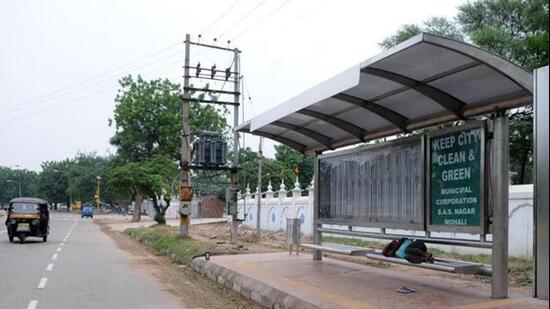
The ₹650-crore project, being taken up through the Delhi Transport Infrastructure Development Corporation (DTIDC), will also include panic alarms, LED lighting and other passenger amenities. The cost includes maintenance for 20 years.
The project will cover existing shelters and also identify locations where additional bus queue shelters are required through a citywide survey.
Deep Dive
What features will the redeveloped bus stops in Delhi include?
How will the integration of AI in Delhi's bus stop shelters improve commuter experience?
Why is the redevelopment of bus stops significant for Delhi's transport system?
The transport department is also working towards integrating the system with bus Global Positioning System (GPS) data so that commuters can see which bus is approaching their stop and its expected arrival time, similar to the information available at Metro stations.
“The entire plan is ready and we will be floating tenders next week. This will transform the bus transport system across Delhi with more reliability and transparency in operations. People will also be able to track their journeys from where they are to where they want to go,” transport minister Pankaj Singh said.
Officials said that the department has also been working on metro-style route maps that show the origin, destination and intermediate stops of buses operating from each shelter.
{{/usCountry}}Officials said that the department has also been working on metro-style route maps that show the origin, destination and intermediate stops of buses operating from each shelter.
{{/usCountry}}“The aim is to provide commuters with complete information at the bus stop itself, including routes, bus numbers and real-time arrival information. The system will be integrated with the bus tracking mechanism so that passengers can know when the next bus is expected,” Singh said.
The bus stop shelters will also have weather information displays, provisions for solar panels and digital advertising panels.
The project will be implemented through private participation, with advertising revenue envisaged as a source for recovering the cost of redevelopment and maintenance.
The government had earlier examined bus shelter designs in Delhi-NCR, Bengaluru and Navi Mumbai, as well as international cities including London and Singapore, before preparing the redevelopment framework.
The transport department has also been examining the use of artificial intelligence (AI) in bus infrastructure. Under an earlier proposal, AI-enabled shelters were planned to provide information on routes, frequency, waiting time and passenger footfall, with an audio facility allowing commuters to seek information about bus services.
The planned information system comes alongside efforts to upgrade the city’s wider bus management system. The government is separately examining an AI- and machine-learning-enabled Bus Management System that could use historical and real-time traffic data to improve estimated arrival times, predict delays and optimise fleet operations.
The redevelopment tender will provide for the work to be completed within six months of the award of the contract. The project management consultant will also survey the existing network and identify areas where new bus queue shelters are required.