
 E-Paper



DGCA steps up SpiceJet fleet scrutiny after smoke in cabin
Aviation regulator Directorate General of Civil Aviation (DGCA) has ordered a clutch of inspections of the airline’s 14 Q400 aircraft, asking it to conduct regular engine oil analysis, and a one-time assessment of the 28 engines in the fleet.

 Prefer HTon Google


Days after a SpiceJet flight, a Q400 aircraft turboprop made an emergency landing in Hyderabad after smoke filled its cockpit and cabin, aviation regulator Directorate General of Civil Aviation (DGCA) on Monday ordered a clutch of inspections of the airline’s 14 Q400 aircraft, asking it to conduct regular engine oil analysis, and a one-time assessment of the 28 engines in the fleet.
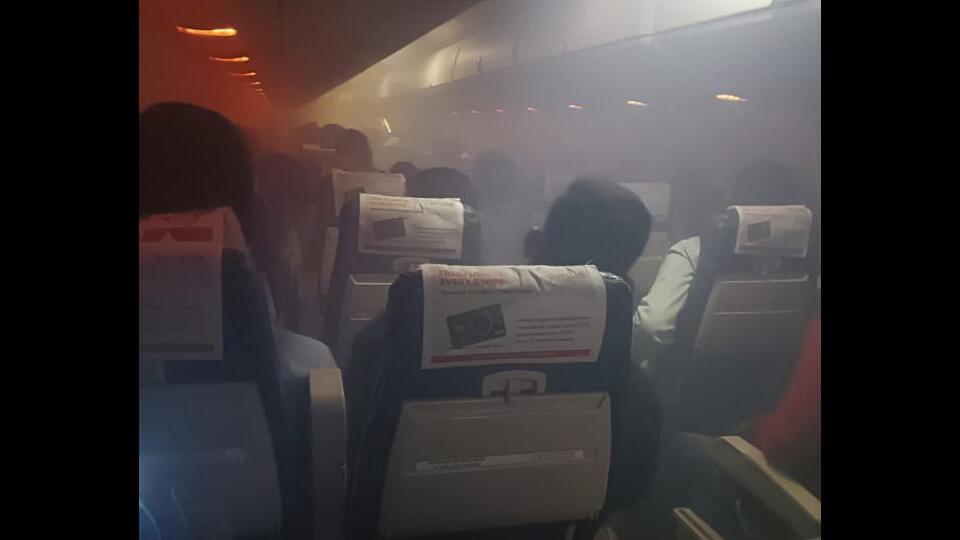
Also Read: Emergency landing after smoke in SpiceJet flight
The SpiceJet flight landed at the Hyderabad airport on October 12 amid a full emergency, with officials saying that engine oil seepage that entered the aircraft’s air-conditioning system appeared to have caused the incident. All passengers disembarked safely from the Goa-Hyderabad flight after it landed at around 11pm, but the emergency prompted DGCA to initiate a probe into the latest in the string of safety incidents concerning the domestic carrier.

On Monday, the aviation regulator asked SpiceJet, which has witnessed a series of safety incidents in recent months, to take oil samples and send them to engine-maker Pratt & Whitney, Canada every 15 days instead of the current norm of 30 days for analysis. This is to ascertain whether there is the “presence of metal and carbon seal particles”, a statement by DGCA said.
Thorough inspection of all 28 operational 150A engines in SpiceJet’s Bombardier Q400 fleet within one week, immediate checks with magnetic chip detectors, scrutiny of bleed-off valve and housing for evidence of oil wetness (both are a test for leakages) are among the other directions by DGCA.
With the help of a magnetic chip detector, the presence of metal particles can be ascertained. “In case of detection of any metal particles, boroscopic inspection of the engine shall be carried out prior to release of aircraft,” the DGCA statement said. A boroscope is a tool that is used to get visuals of narrow areas in equipment otherwise not visible.
“DGCA is keeping a close watch on the situation and will take all appropriate action to avert any untoward incident,” DGCA director general Arun Kumar said.
“We are investigating the incident; however, based on the preliminary investigation, evidence of engine oil was found in the engine bleed-off valve, which led to the oil entering the aircraft air-conditioning system, resulting in smoke in the cabin,” he added.
SpiceJet said it was directed to take action of sending engine oil samples to Pratt & Whitney Canada for oil analysis technology, according to news agency ANI.
A series of incidents involving SpiceJet aircraft prompted DGCA to impose a cap of 50% on the budget airlines flights’ summer schedule. The aviation regulator imposed the restriction on SpiceJet flights on July 27 for a period of eight weeks after the airline reported frequent air safety incidents.
Last month, the aviation regulator extended the restriction by a month to October 29.
DGCA said that other than the SpiceJet incident, a similar incident involving a 150A engine took place in the recent past which, like in the SpiceJet episode, came from StandardAero-Singapore after overhaul. The regulator has asked SpiceJet not to send its engines to StandardAero-Singapore till the investigation is completed.
StandardAero-Singapore is a gas turbine engine and accessories maintenance, repair and overhaul provider.
It looks like the regulator found some metal filings, prompting them to ask the airline to send oil samples for analysis,” a former DGCA official said, asking not to be named.
Aviation safety expert Mohan Ranganathan said: “If the regulator found metal filing in the engine, then the inspection schedule of the airline is also suspect because they should not have waited until this stage, and should have been able to identify this well in time.”
While Ranganathan said the SpiceJet fleet should have been grounded, the former DGCA official said that would have been a premature move. “DGCA has to follow protocols before reaching a conclusion like when certain series of A320-Neo aircraft faced issues. Case studies of the particular aircraft type in the recent past are studied after which steps are taken accordingly. One cannot ground the fleet on the basis of one incident,” the official added.
Amit Singh, founder of non-profit Safety Matters, said that SpiceJet’s Bombardier Q400 aircraft have also been involved in cabin smoke-related incidents in 2017 and 2018.
“The fleet had globally been affected by smoke entering the cabin due to leakage in oil seals and the engine manufacturer designed a repair (installation of an upgraded seal) and had informed airlines of the repair,” he said. “Question arises if SpiceJet upgraded the seals,” he said.


