The new external affairs minister, Subrahmanyam Jaishankar, apparently plans to run a tight ship in South Block – crisp and businesslike, and shorn of any pomp, show or ceremony of the past, according to people familiar with the matter.
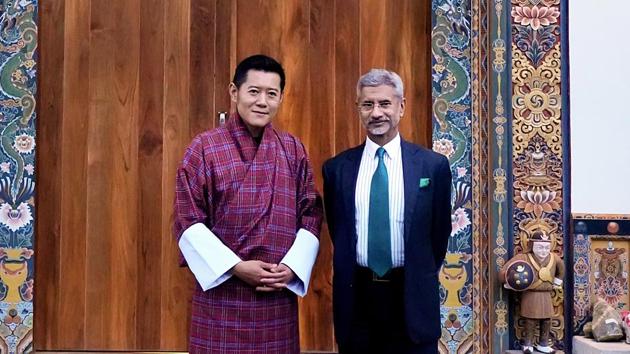
It has been only 10 days since Prime Minister Narendra Modi surprised politicians and bureaucrats by appointing the career diplomat as external affairs minister, and Jaishankar is understood to have told foreign secretary Vijay Gokhale and four other secretaries to concentrate on their work at headquarters, without accompanying him on official trips abroad.
It is learnt even the joint secretary (external publicity) has been asked to be in the field rather than be part of the minister’s retinue.
Though South Block officials are tight-lipped about the minister, Jaishankar will apparently run an executive office, on similar lines to those of US secretary of state Mike Pompeo and Japan’s foreign minister Taro Kano, with only concerned joint secretaries accompanying him on foreign visits.
“It seems Jaishankar will work as a CEO (chief executive officer) of the foreign ministry with the foreign secretary being the COO (chief operating officer) of the establishment,” said a former foreign secretary.
{{/usCountry}}“It seems Jaishankar will work as a CEO (chief executive officer) of the foreign ministry with the foreign secretary being the COO (chief operating officer) of the establishment,” said a former foreign secretary.
{{/usCountry}}That Jaishankar, a former foreign secretary, plans to wear his title light was evident when he travelled to Bhutan’s capital Thimpu on June 7 by a commercial flight, rather than an Embraer jet of the Indian Air Force’s (IAF) VIP squadron.
It is learnt instructions have been issued that the new minister would prefer to travel by commercial airlines for visits abroad, unless India plans to keep a visit discreet or the destination is not served by commercial flights.
While the Bharatiya Janata Party (BJP) is still to decide the state from which Jaishankar will enter the Rajya Sabha, the diplomat-turned-politician has hit the ground running by reaching out to neighbouring countries.
Even though the Nepalese leadership was not on the same page with the former foreign secretary when he went as Modi’s special envoy to Kathmandu before the unveiling of Nepal’s new Constitution in September 2015, it was not a unilateral move as many thought as clear instructions were sent from the top to ensure no section of Nepalese society is kept out.
As the minister, Jaishankar is expected to make an extra effort towards the neighbours, particularly Nepal, and also ensure the meaning of the huge electoral mandate for Modi is understood in South Asia.
Given that he demitted the foreign secretary’s office in January 2018, Jaishankar doesn’t require talking points or country-specific briefings by senior officials. No major changes are expected in the ministry for the next three months, the people said.