In a landmark move towards addressing climate crisis impacts, the Loss and Damage Fund board has completed crucial groundwork for distributing aid to vulnerable nations. Meeting in Baku on Saturday, the board made key decisions that will allow the fund, years in the making, to begin disbursing money in 2025 to countries hit hardest by climate disasters.
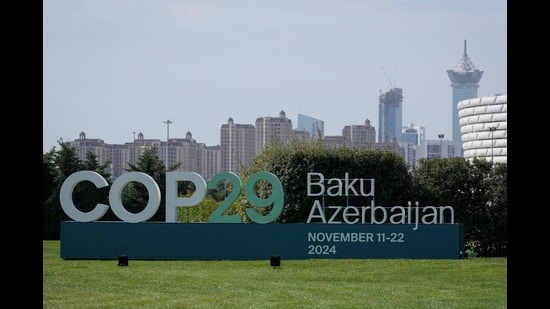
The developments follow years of negotiations, which were finalised following a three-day meeting in Azerbaijan, which will host this year’s UN climate conference COP29.
“This breakthrough in Baku marks a crucial step in enabling action on climate change. This is a truly historic day, years in the making, that has required determination from so many and an unwavering focus on the needs of those on the frontlines of the climate crisis,” COP29 president-designate Mukhtar Babayev said in a statement.
Loss and damage had long been a contentious issue in the UN climate talks, with less-developed countries calling for a new fund that specifically assists countries for the catastrophic losses they’ve incurred due to rising seas and turbo-charged storms and wealthier nations concerned this could become a form of “compensation” for the impact of their share of greenhouse gas emissions.
The progress made now includes the election of the fund’s executive director and the board’s endorsement of several crucial agreements. These include arrangements for the World Bank to host the fund’s secretariat and act as trustee, as well as templates for contribution agreements and arrangements.
{{/usCountry}}The progress made now includes the election of the fund’s executive director and the board’s endorsement of several crucial agreements. These include arrangements for the World Bank to host the fund’s secretariat and act as trustee, as well as templates for contribution agreements and arrangements.
{{/usCountry}}The board also endorsed plans for a high-level launch of the Annual High-Level Dialogue, to be co-hosted by Azerbaijan and the fund’s board on the margins of the World Leaders Climate Action Summit at COP29 in Baku.
These agreements essentially lay the groundwork for the fund to disburse money for the first time in 2025, following years of diplomatic negotiations since its establishment at COP27 and the decision on its operationalisation at COP28.
The COP29 Presidency said it will use the summit to work with countries that have already pledged nearly $800 million to convert those pledges into tangible funding. It will also call for further contributions.
HT reported on July 12 that observers to these negotiations have demanded that the fund be filled at scale to meet the real needs of the most vulnerable people facing climate disasters. The amount of money the fund can mobilise will be crucial for developing and vulnerable countries, including India.
The board’s discussions in July focused on the scale of available funds, particularly in light of recent climate extremes and disasters linked to record warming. Currently, several countries including the UAE, Germany, Italy and France have pledged around $700 million to the fund. The United States, historically the highest greenhouse gas emitter, has pledged $17.5 million.
These pledges were made during the UN Climate Conference in Dubai last year. An assessment in Springer, led by the International Institute for Applied Systems Analysis, estimates the economic cost of loss and damage in developing countries alone to be between $290 billion and $580 billion. By 2050, this cost is projected to rise to between $1 trillion and $1.8 trillion.
Loss and damage refers to the consequences of climate change that go beyond what people can adapt to. This includes both immediate climate disasters and slow-onset events such as cyclones, droughts, heatwaves, sea level rise, desertification, glacial retreat, land degradation, ocean acidification and salinisation, according to the World Resources Institute.
Harjeet Singh, climate activist and global engagement director for the Fossil Fuel Non-Proliferation Treaty Initiative, said: “I warmly welcome Mr. Ibrahima Cheikh Diong’s appointment as the first executive director of the Fund for Responding to Loss and Damage.”
“As communities worldwide grapple with the devastating impacts of climate change, it is essential that the Fund scales up to hundreds of billions of dollars to meet their urgent needs while safeguarding their rights. We stand ready to collaborate and support his efforts in delivering a just recovery for those most affected,” he added.