
 E-Paper



RBI autonomy essential, says finance ministry amid rift with central bank
Earlier in the day, television channels reported that Reserve Bank of India Governor Urjit Patel may consider resigning from his post given a breakdown in relations with the government.


The autonomy of the Reserve Bank of India (RBI) is “essential” and an accepted governance requirement, the government said on Wednesday in a rare statement issued amid reports of a rift with the central bank.
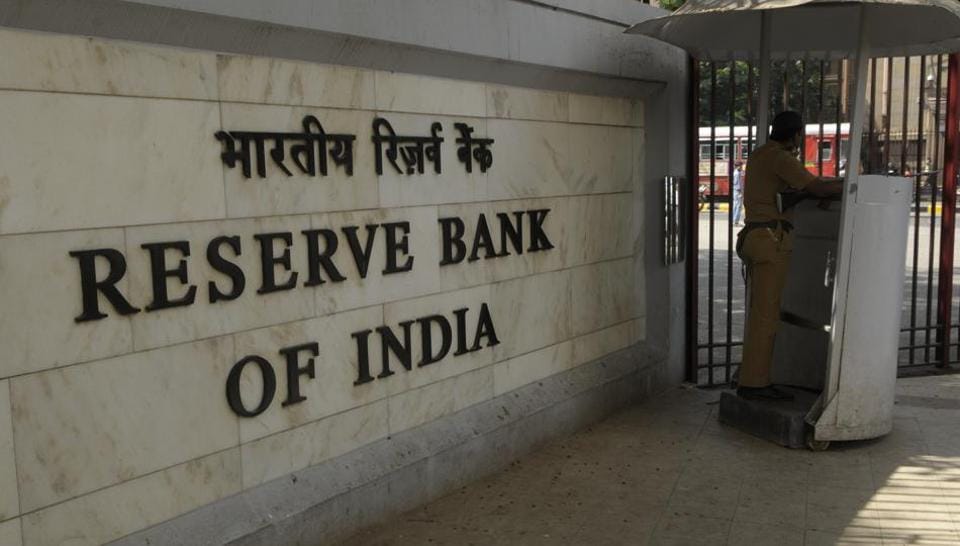
“Both government and the central bank, in their functioning, have to be guided by public interest and the requirements of the Indian economy. For the purpose, extensive consultations on several issues take place between the government and the RBI from time to time. This is equally true of all other regulators,” the finance ministry stated.
The statement said the government has never made public the subject matter of those consultations.
“Only the final decisions taken are communicated. The government, through these consultations, places its assessment on issues and suggests possible solutions. The government will continue to do so,” it added
The government issued the statement to address the perception of growing differences between the finance ministry and the country’s central bank.
There have also been media reports that the government has invoked never-before-used powers under the RBI Act that allow it to issue directions to the central bank governor on matters of public interest.
According to Livemint, the government is unlikely to invoke Section 7 of the Reserve Bank of India Act though it is using it as a threat to get the central bank to the negotiating table on a host of issues, including the more recent liquidity crisis that has impacted non-banking finance companies.
This section has never been invoked in the history of independent India despite numerous clashes between the government and the RBI over the years.
Though differences between the government and RBI have peaked this year over a number of issues, including the central bank’s handling of the Nirav Modi crisis and the latter’s firm stand on bringing weak banks under prompt corrective action, the latest reason for the escalation is the liquidity crisis being faced by NBFCs.
While NBFCs have approached the government complaining of a liquidity crunch and are seeking government support, the central bank is of the view that there is no liquidity problem, according to Livemint.


