The India Meteorological Department (IMD), Pune, has predicted a warmer winter and “increased drought conditions” as a result of El Nino, the periodic weather phenomenon associated with the warming of surface temperatures in the Pacific Ocean thought to be responsible for drought in India and other parts of South Asia.
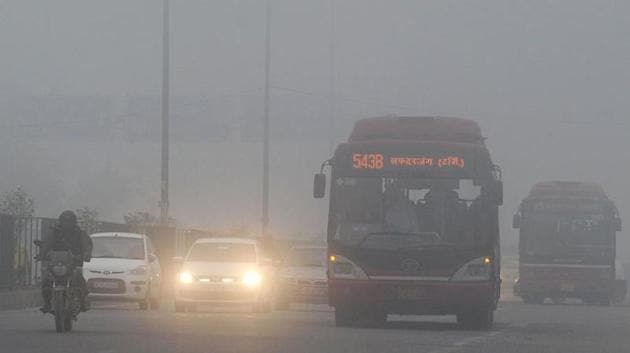
“El Nino refers to the cycle of warm temperature in ocean waters because of radiation. This will slowly move towards the Arabian Sea and subsequently impact winter temperatures. That means, this year we have to face a warmer winter than usual in India,” AK Srivastava, who is the head of the climate monitoring and analysis group at IMD, Pune, told Hindustan Times.
Srivastava declined to predict the degree by which temperatures will rise in the winter.
“We will release a separate forecast for winter temperatures considering the El Nino effect in November. But it should be slightly more than normal temperatures as compared to the previous year,” he said.
The weather pattern’s possible emergence and its impact on the north-west monsoon is an annual cause of concern for policymakers in India, where 60% of the crop area lacks assured irrigation. The summer-sown Kharif crop, which accounts for half of India’s foodgrain output, is particularly dependent on monsoon rainfall. El Nino is part of a natural process, characterised by a warming in the Pacific Ocean, with repercussions across the globe, including higher temperatures and drought in some parts, Srivastava said.
To be sure, the IMD’s forecasts have proved to be inaccurate in the past.
{{/usCountry}}To be sure, the IMD’s forecasts have proved to be inaccurate in the past.
{{/usCountry}}For this year,the agency had forecast a normal monsoon, projecting rainfall countrywide at 97% of the long period average, but recorded a 9.4% shortfall in rain.
Srivastava said the process of formation of the El Nino has been underway in the past few months, because of which rainfall was low during the end of the June-to-September monsoon period.
According to him, the El Nino formation process was also responsible for higher temperatures in September and October. The low rainfall at the end of the monsoon was directly related to increasing drought-related conditions, he said.
Another scientist, DS Pai, head of the IMD’s Climate Prediction Group, said the effect of El Nino will be felt in the winter in India. “El Nino has not settled yet. Once it settles, it will show an impact by November/December,” he said.
Skymet, which accurately predicted that the south-west monsoon would be below-normal, doesn’t analyse the impact of El Nino on temperatures, restricting itself to how the weather phenomenon would affect rainfall patterns, said Mahesh Palawat, chief Meteorologist at the private forecaster. Skymet, however, foresees Tamil Nadu and Kerala receiving more than average rainfall in November and December. “Both these states will get more than average rainfall during the return monsoon, which can create flood-like situation there,” Palawat said.