E-Paper



India, China hold another WMCC meeting, no sign of breakthrough
This was the 14th meeting of the WMCC on India-China Border Affairs since the standoff began in May 2020 and the two sides had an in-depth discussion on proposals to resolve remaining issues and to achieve complete disengagement in Ladakh

 Prefer HTon Google


India and China held another round of diplomatic talks on Thursday on the dragging border standoff in the Ladakh sector of the Line of Actual Control (LAC), though there were no immediate signs of a breakthrough in resolving friction points on the disputed frontier.
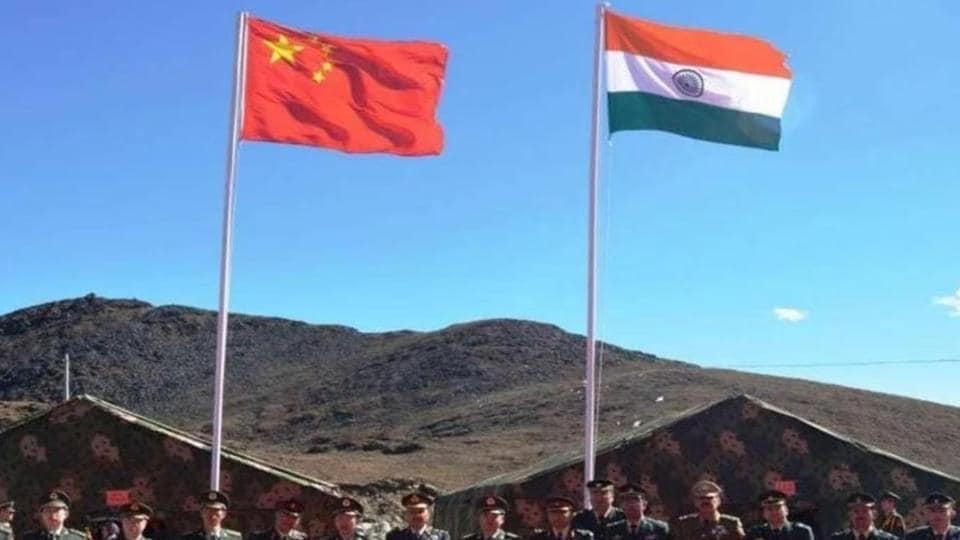
This was the 14th meeting of the Working Mechanism for Consultation and Coordination (WMCC) on India-China Border Affairs since the standoff began in May 2020, and the two sides had an in-depth discussion on proposals to resolve remaining issues and to achieve complete disengagement in Ladakh, according to a readout from the external affairs ministry.
The readout made no mention of specific forward movement to address existing friction points at Demchok and Depsang, where troops from both sides remain deployed near the LAC. Dozens of rounds of diplomatic and military talks have resulted in the two sides withdrawing troops from other friction points, such as the north and south banks of Pangong Lake, Gogra and Hot Spring.
“The two sides reviewed the situation along the LAC in the Western Sector of the India-China border areas and engaged in an open, constructive and in-depth discussion of proposals to resolve the remaining issues and achieve complete disengagement in Eastern Ladakh,” the readout said.
The two sides further agreed on the “need to maintain peace and tranquillity along the border areas, ensure a stable situation on the ground and avoid any untoward incident”.
India and China agreed to continue the dialogue through military and diplomatic channels and to hold the next round of the senior military commanders’ meeting “at the earliest to achieve the above objective”, the readout said.
After the standoff emerged in the open in May 2020, the WMCC first met virtually in June of the same year, shortly after a brutal clash in Galwan Valley left 20 Indian soldiers and at least four Chinese troops dead. The first fatalities on the LAC in 45 years took bilateral relations to the lowest ebb since the 1962 border war between India and China. Both sides now have some 60,000 troops, each arrayed along the LAC in the Ladakh sector.
The Indian side at Thursday’s meeting of the WMCC was led by the joint secretary (East Asia) of the external affairs ministry, while the director general of the boundary oceanic affairs of China’s foreign ministry led the Chinese delegation. The WMCC last met in New Delhi on May 31.
Senior military commanders of the two sides have held 20 rounds of talks since the start of the standoff, and the last meeting was held on the Indian side of the Chushul-Moldo border meeting point from October 9-10.
The Chinese leadership has contended the two sides have begun moving towards normalised management of the border situation, which should be put in an “appropriate place” while the two countries work to take forward relations in other spheres such as trade. India has insisted that the situation on the LAC continues to be abnormal, and the overall relationship cannot be normalised till peace and tranquillity is restored on the LAC.