
India-Germany air travel stalemate comes to a ‘fair’ resolution as German carrier Lufthansa has now agreed to operate 10 weekly flights in India against 20 flights that it was operating till October beginning. Air India, on the other hand, was operating only three to four flights in Germany leading to a disparity in the number of flights which contradicts the air bubble agreement, the Directorate General of Civil Aviation said earlier.
Now it has been decided that the German carrier will fly 10 flights — four to and from Delhi, three to and from Mumbai and other three to and from Bengaluru. Out of Air India’s seven flights a week, five will be to and from Delhi and two to and from Bengaluru.
{{/usCountry}}Now it has been decided that the German carrier will fly 10 flights — four to and from Delhi, three to and from Mumbai and other three to and from Bengaluru. Out of Air India’s seven flights a week, five will be to and from Delhi and two to and from Bengaluru.
{{/usCountry}}Owing to the disparity in numbers, India, Germany air bubble — an agreement between two countries to allow their airlines to operate both-way travels — stood suspended. All flights between the two countries were cancelled till October 20.
On October 16, Air India announced its resumption of Germany flights beginning from October 26. It also said that the schedule will continue till March 28, 2021.
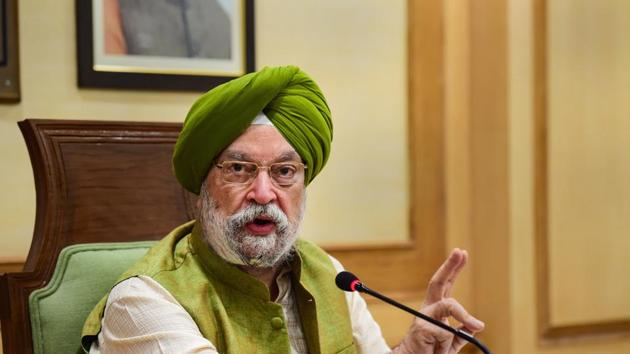
Union civil aviation minister Hardeep Singh Puri had said earlier that foreign carriers won’t be allowed if that comes in way of Indian carriers. Reports said Germany was not ready to increase the number of Air India flights as it was apprehensive of importing Covid-19 cases from India.
With Lufthansa flying 10 per week and Air India seven, the parity remains but the ministry had said earlier that it was not insisting on total parity. Even near-parity will do, Hardeep Singh Puri had said.
ABOUT THE AUTHOR
Follow the latest breaking news, major developments and agenda-setting stories from India and around the world with the newsdesk at Hindustan Times. Operating round the clock, the desk brings together experienced editors, reporters and correspondents to deliver fast, accurate and contextual reporting across subjects that influence public policy, governance, business, society and international affairs. The HT News Desk covers politics, elections, government policies, the economy, business and markets, science and technology, the environment, law and order, infrastructure, education, climate issues and geopolitics, while closely tracking developments across states, institutions and global capitals. The team also leads coverage of major breaking news events, policy announcements, court proceedings, natural disasters, public emergencies and significant international developments. Reports published by the newsdesk are based on information gathered from reporters on the ground, official statements, government agencies, court records, regulatory filings, recognised institutions and other authoritative sources. Stories undergo editorial scrutiny and verification processes to ensure accuracy, fairness and relevance, and are updated as events evolve and additional information becomes available. Whether covering a key political decision in New Delhi, an economic policy shift affecting millions, a landmark court ruling or a major global event, the HT News Desk aims to provide readers with reliable, fact-based journalism that delivers not only the latest developments but also the context and analysis needed to understand their wider implications.