
 E-Paper



India-China military dialogue on East Ladakh stalled, PLA refuses to budge
The Indian side pointed out during the talks that the situation along the LAC had been caused by unilateral attempts of Chinese side to alter the status quo and in violation of the bilateral agreements.

 Prefer HTon Google


The India-China senior military commanders' marathon dialogue on Sunday did not yield any result with the Chinese Army not willing to address de-escalation in three remaining friction points on the Line of Actual Control (LAC) in East Ladakh. The remaining friction points are Hot Springs, Depsang Bulge and Charding Nullah Junction.
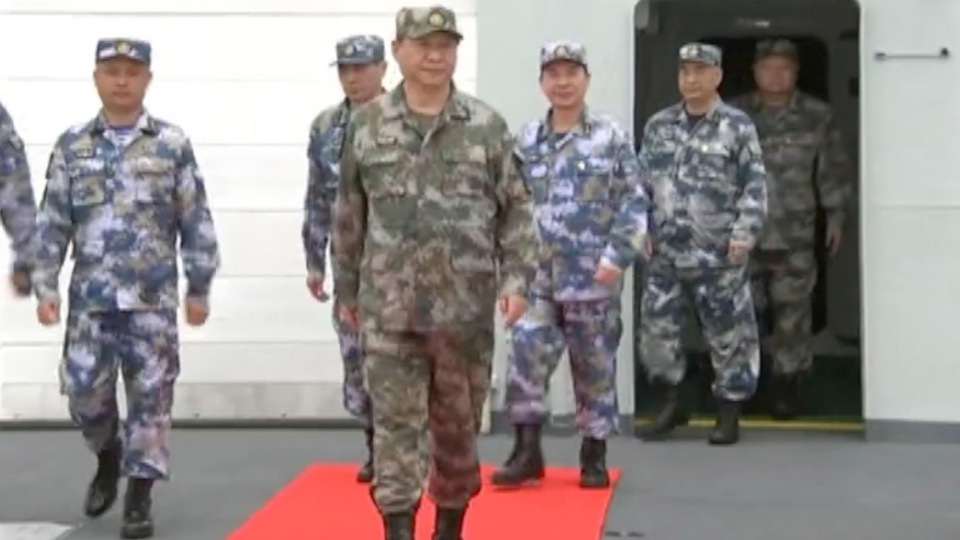
It appears from the statements issued by two armies that the Chinese PLA was not inclined to go beyond the de-escalation agreed in the 12th round of dialogue. The Chinese statement is sanctimonious and asks India to cherish the past resolutions.
“Instead of misjudging the situation, the Indian side should cherish the hard-won situation in China-India border areas,” Senior Colonel Long Shaohua, spokesperson for the Western Theater Command of the People's Liberation Army (PLA), said in a statement on Monday.
The Indian side pointed out during the talks that the situation along the LAC had been caused by unilateral attempts of Chinese side to alter the status quo and in violation of the bilateral agreements. It is, therefore, necessary that the Chinese side take appropriate steps in the remaining areas so as to restore peace and tranquillity along the LAC in the Western Sector, India further said.
The Indian statement added that this would also be in accord with the guidance provided by the two foreign ministers in their recent meeting in Dushanbe where they had agreed that the two sides should resolve the remaining issues at the earliest.
The Indian side emphasised such resolution of the remaining areas would facilitate progress in the bilateral relations.
The 13th round of parley began at 10.30am on Sunday at Moldo on the Chinese side of LAC, according to officials. It came more than two months after the last round of talks that led to disengagement in early August of deployed troops at Gogra, or Patrol Point-17A, which was one of the flashpoints of the border skirmishes.
Officials had earlier said that disengagement of rival soldiers deployed at Hot Springs was on the agenda for the latest round of talks.
The parley comes at a time of massive military buildup and infrastructure development by the People’s Liberation Army across the LAC, with the Indian Army matching Chinese moves.
In February, the two sides pulled back troops and weaponry from Pangong Tso in Ladakh. Despite two rounds of disengagement at friction points this year, the two armies still have 50,000 to 60,000 troops each and advanced weaponry in eastern Ladakh.


