
 E-Paper



Indian NGO wins Magsaysay Award: Founder Safeena Husain left US for the grassroots to work for girls' education
Safeena Husain said that being the first Indian non-profit to win the Ramon Magsaysay Award is a historic moment for Educate Girls and for the country.

 Prefer HTon Google


‘Educate Girls’, an Indian non-profit that has made history as the first Indian organisation to receive the Ramon Magsaysay Award, was founded by Safeena Husain to empower out-of-school girls in remote villages.
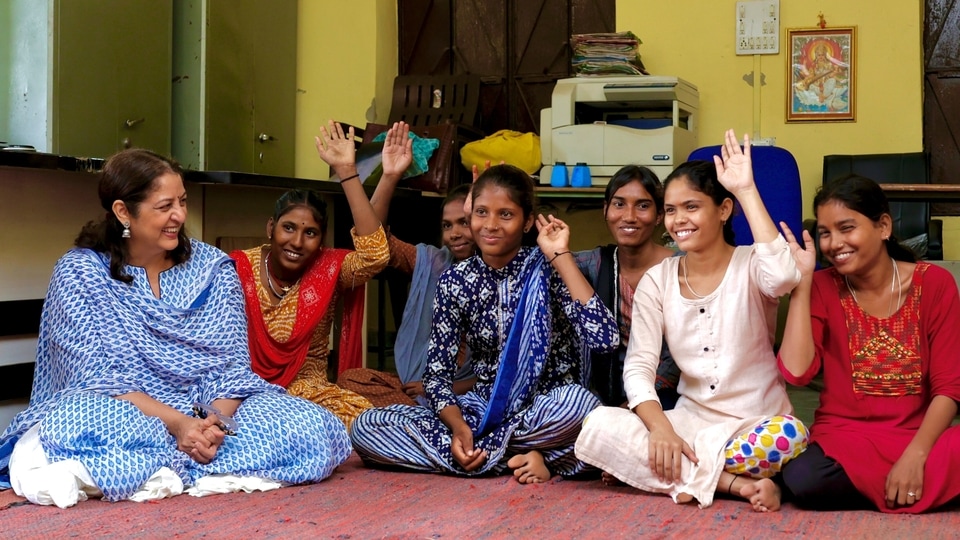
Husain, 54, founded ‘Educate Girls’ in 2007 in Rajasthan to empower out-of-school girls in remote villages.
A London School of Economics graduate, Safeena Husain returned to India in 2005 from San Francisco with the aim of tackling female illiteracy through her work.
The NGO has enrolled over 1.1 million girls and impacted more than 15.5 million people across India. It brings out-of-school girls into classrooms, supports them to continue their education, and works to break cultural barriers that limit their opportunities.
“Being the first Indian non-profit to receive the Ramon Magsaysay Award is a historic moment for Educate Girls and for the country,” PTI quoted Husain as saying.
“This recognition places a global spotlight on India’s people-powered movement for girls' education, one that began with a single girl in the remotest village and grew to reshape entire communities, challenging traditions and shifting mindsets,” she added.
Safeena Husain's husband is also a prominent personality, filmmaker Hansal Mehta, who has made movies on social issues among other subjects.
‘Educate Girls’ was recognised for Asia’s premier prize and highest honour “for its commitment to addressing cultural stereotyping through the education of girls and young women, liberating them from the bondage of illiteracy and infusing them with skills, courage, and agency to achieve their full human potential,” the RMAF statement added.
In 2015, the NGO launched the world’s first Development Impact Bond (DIB) in education, linking financial aid directly to measurable outcomes.
“It began with 50 pilot village schools and eventually reached over 30,000 villages across India’s most underserved regions, benefiting more than two million girls, with a retention rate exceeding 90 per cent,” the Foundation said.
The organisation also introduced Pragati, an open-schooling programme that allows young women aged 15–29 to complete their education and access lifelong opportunities. The programme started with 300 learners and has since grown to over 31,500 participants.
With PTI inputs


