
 E-Paper



IndiGo raises crew buffer and pilot-to-aircraft ratio as 'rest periods' exemption from DGCA ends today
The December crisis forced DGCA to grant temporary exemptions on December 6, allowing the airline to breach night-duty restrictions until February 10.

 Prefer HTon Google


IndiGo has increased its crew buffer from zero in December to 3% in February and raised its pilot-to-aircraft ratio, improvements that have led government officials to expect minimal disruption when exemptions on pilot rest periods expire on February 10, according to officials aware of the matter.
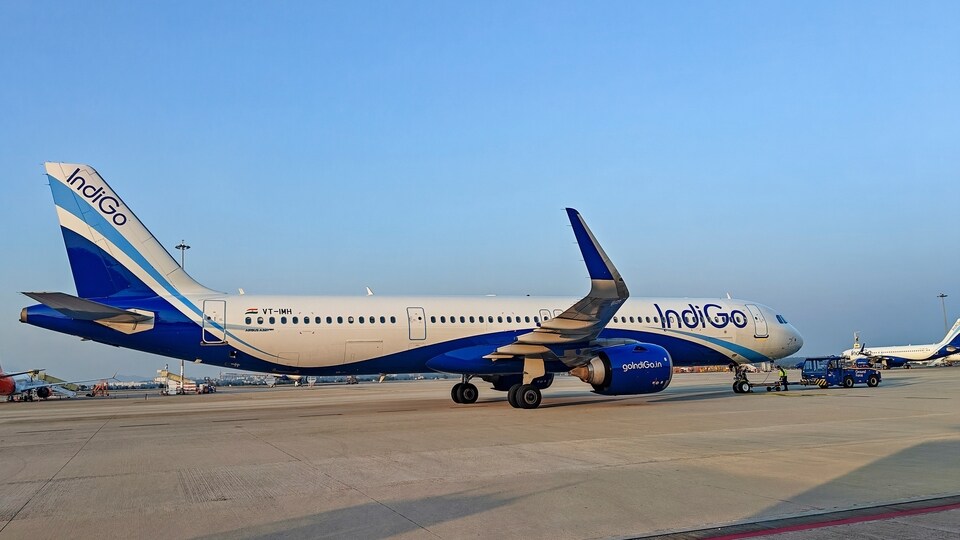
The build-up in pilot strength comes as the airline prepares to resume full compliance with flight duty time limitation (FDTL) norms that triggered operational collapse in December, when IndiGo cancelled over 5,000 flights and drew a record ₹22.2 crore penalty from aviation regulators alongside accountability action against its top leadership.
The December crisis forced DGCA to grant temporary exemptions on December 6, allowing the airline to breach night-duty restrictions until February 10.
ALSO READ | IndiGo eyes 40% international flights by 2030 amid a domestic crisis at hand
“We are expecting minimal flight disruptions due to FDTL violations,” a senior government official said, asking not to be named. A second senior official, who asked not to be named and spoke without mentioning any specific measures taken by the airline, said: “A review on IndiGo operations was conducted on 6th and they are on track.”
The assessment that operations will stabilise post-February 10 is based on rostering plans showing IndiGo has increased its ratio of pilot crews to aircraft — a key measure of operational resilience — while expanding reserve pilot strength and maintaining a hiring pipeline to offset attrition, according to aviation ministry data accessed by Hindustan Times.
ALSO READ | IndiGo working out compensation payouts
“The airline has begun planning operations at seven crew sets per aircraft, with the February roster showing 7.2 sets, up from 7.1 in January, based on 1,862 daily flights and a block per trip day of 3.99 hours,” a government official said. Crew sets measure how many complete pilot teams the airline has for each aircraft in its fleet.
In December, when it encountered trouble, the airline had fewer than six crew sets per jet, according to documents seen by HT.
“Crew buffers have increased from zero in December 2025 to 3% in February, while standby crew levels have been raised to a minimum of 15%,” the official said. Crew buffers represent surplus pilot capacity beyond the minimum required to operate scheduled flights, while standby crews are reserve pilots rostered to cover sick calls or scheduling disruptions.
ALSO READ | Aviation ministry sets up panel to reallocate slots vacated after IndiGo cancellations
But experts said the strengthening will need to be seen in the context of the rules and schedules to determine whether they are enough. “To assess whether IndiGo can operate smoothly under the new FDTL, it needs to be checked whether IndiGo has at least seven crew sets per aircraft under the new FDTL,” said aviation expert Capt Mohan Ranganathan, referring to the tougher crew rest rules from which the airline was exempted during the December chaos.
“The airline claims 7.2 sets, meaning 7.2 captains and 7.2 co-pilots for each aircraft; for an operational fleet, for instance, of about 350 aircraft, that is roughly 2,520 captains and the same number of first officers. What matters is the captain-to-co-pilot ratio, not total pilot headcount, and the assessment must be based on aircraft actually flying, as many are grounded for engine issues. If the numbers given to DGCA meet this requirement, there should be no disruptions due to FDTL, but if they do not align with the claimed 7.2 sets, the roster cannot be sustained,” he added.
ALSO READ | IndiGo told to dismiss senior VP over cancellation mess, violations: Govt to Delhi HC
As per government data provided on December 8, 2025, IndiGo had 5,085 pilots in its system, with around 350 active aircraft.
IndiGo hired 100 trainee first officers in January and has planned training for 20 pilots a month and around 75 first officers in alternate months over the next quarter, officials said. However, attrition over the next six months is projected at 81 captains and 12 first officers, with 19 captain retirements expected over the next year.
An email sent to IndiGo did not elicit a response.
A review of the airline’s operational data by the ministry shows flight cancellations in January were driven largely by weather and airspace-related disruptions rather than pilot duty norms, officials said.
“Based on the data reviewed by the ministry, recent flight cancellations and disruptions seen in the second half of January were largely due to weather, airspace restrictions and other operational factors,” a senior government official said, asking not to be named.
For the period between January 15 and 31, IndiGo operated around 90% of planned services in line with government directives, with a total of 284 flights cancelled. “The largest share was attributed to adverse weather conditions and the cascading impact such disruptions have on tightly packed flight schedules,” an official said, citing data submitted to DGCA.
ALSO READ | IndiGo assures regulator DGCA it has adequate pilot strength
The regulator has been monitoring IndiGo’s operations since the December meltdown. “There is no indication to the regulator so far that pilot duty time norms have led to flight cancellations affecting passengers since last month,” another official said, adding that passenger schedules remained largely unaffected by crew availability.
CS Randhawa, the president of Federation of Indian Pilots (FIP), said:”IndiGo has raised crew strength, including standby pilots, by about 15% and begun following the night-landing restrictions under the new FDTL from early February but as per me even without these, the airline always had more than adequate pilots. The standard requirement for an Airbus A320 is seven crew sets, or 14 pilots per aircraft, which already factors night operations, sickness, training, medicals, leave, time off, stand by duties etc and IndiGo still shows a surplus pilots. With the current operational fleet, there is no reason to expect cancellations once the deadline ends.”


