
 E-Paper



IndiGo assures regulator DGCA it has adequate pilot strength
The assurance comes as the regulator prepares to withdraw exemptions from night-duty limitations granted during the December crisis

 Prefer HTon Google


IndiGo has assured aviation regulator Directorate General of Civil Aviation (DGCA) that it has adequate pilot strength and will not cancel flights after February 10, when temporary exemptions from crew fatigue rules expire—the same rules the airline claimed in October would have “nil impact” on its operations before its network collapsed under their weight in early December. The airline reported 2,280 pilots-in-command and 2,050 first officers for February 10, 2026, during a weekly review meeting with DGCA on Monday.
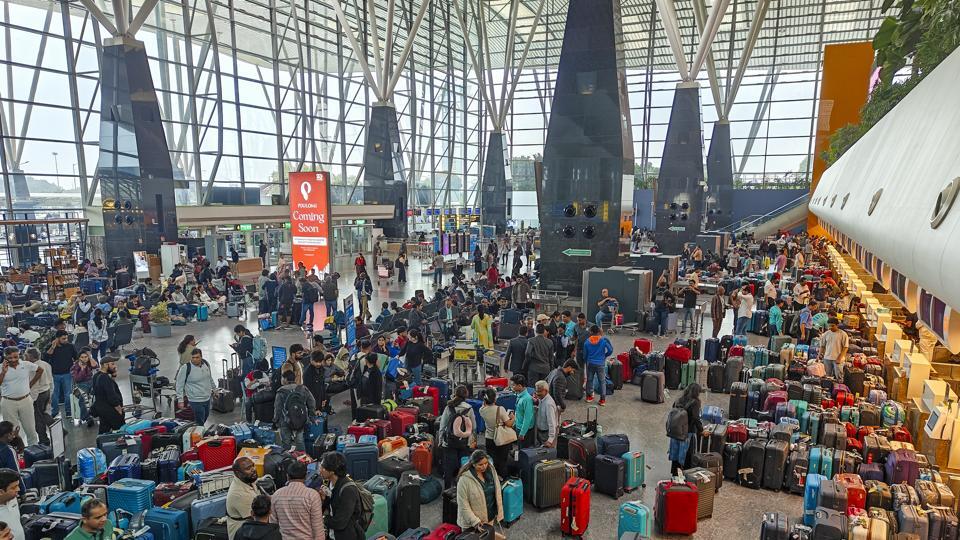
“IndiGo assured operational stability and no flight cancellations after February 10, 2026, based on the current approved network, crew strength, and the removal of the two FDTL exemptions approved on December 6, 2025,” DGCA said in a statement.
The assurance comes as the regulator prepares to withdraw exemptions from night-duty limitations granted during the December crisis, when 2,507 flights were cancelled over three days (December 3-5)—part of at least 5,500 cancellations in the first week of the month—after the airline’s rostering systems collapsed.
The exemptions, granted on December 6, expire on February 10. The exemptions allowed IndiGo to breach curbs on night-time flying hours—violations for which DGCA subsequently imposed a ₹22.2 crore fine charging ₹30 lakh per day.
The airline’s February assurances are similar to its October 2025 assessment, when it projected “nil impact” from FDTL rules that took full effect on November 1. A four-member DGCA inquiry committee later found IndiGo “failed to adequately identify planning deficiencies” and maintained “minimal recovery margins” despite having two years to prepare for the regulations.
“There was an overriding focus on maximising utilisation of crew, aircraft, and network resources, which led to reduced roster buffer margins,” DGCA said, citing inquiry findings. “Crew rosters were designed to operate at the limits of permissible duty periods, with increased reliance on dead-heading, tail swaps, extended duty patterns, and minimal recovery margins. This approach compromised roster integrity and operational resilience.”
The December disruption stranded over 3,00,000 passengers and triggered one of the most acute crises in the aviation sector. DGCA’s systemic review subsequently found IndiGo maintained 891 more pilots than global best practices require, undermining the airline’s initial claims that FDTL regulations caused crew shortages.
DGCA has maintained oversight of IndiGo’s operations since the December collapse, it stated. From December 6-30, the regulator deployed two Flight Operations Inspectors and passenger facilitation personnel at IndiGo’s Operations Control Centre and key airports to monitor day-to-day operations and ensure regulatory compliance during recovery.
The airline has been submitting daily operational reports covering flight cancellations and delays, crew positioning and availability, crew leave and standby utilisation, and system performance,per the regulator.
“Till date, IndiGo has submitted four weekly reports, three fortnightly reports, and has participated in weekly review meetings with DGCA, providing updated data on all critical operational parameters,” the regulator said on Tuesday.
The regulator is under a scanner itself, per a statement it released over the weekend when it announced the fines on IndiGo. The December crisis exposed “inadequate regulatory preparedness” at DGCA, per findings of an inquiry committee. DGCA had approved IndiGo’s aggressive winter schedule expansion of 9.6%, then granted FDTL exemptions on December 6 amid the crisis.
The ministry of civil aviation later ordered an internal DGCA inquiry “to identify and implement systemic improvements within the DGCA”—a rare acknowled


