
 E-Paper



SC directs time-bound disposal of Narayan Sai’s appeal against rape conviction
Sai moved the Supreme Court challenging the May 4 Gujarat high court order saying the petitioner was not interested in early disposal

 Prefer HTon Google


The Supreme Court on Friday directed time-bound disposal of the appeal of Narayan Sai, son of self-styled godman Asaram, challenging his rape conviction.
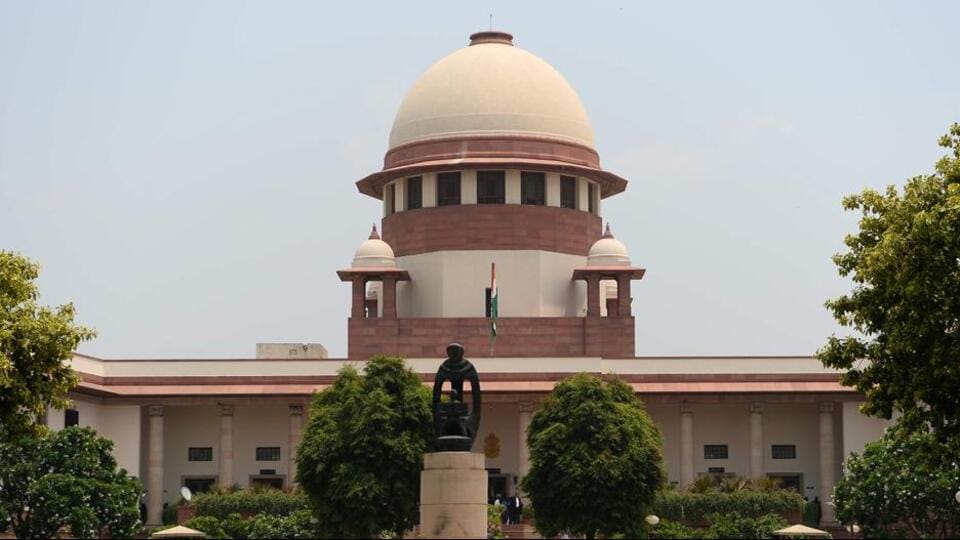
A bench of Justices MM Sundresh and PB Varale requested the Gujarat high court to decide the appeal within three months. “We are not inclined to go into the...issue as the respondent state is willing for early disposal of the case. We request the high court to...endeavour to dispose of the appeal within a period of three months.” The bench directed the petitioner and the state to cooperate.
Sai moved the Supreme Court challenging the May 4 high court order saying the petitioner was not interested in early disposal of his appeal and was employing “delay tactics” to prolong the matter.
Senior advocate N Hariharan, who appeared for Sai, said the high court refused an out-of-turn hearing on Sai’s appeal. He added he moved an application for early disposal of the appeal.
Hariharan said the Supreme Court had permitted Sai to argue suspension of sentence, but the high court did not hear their plea. The bench said, “If you are so confident, you argue it there. We will ask the high court to decide it early.”
Sai has been lodged in Surat jail for over 12 years. He was convicted of raping two women. The two alleged that they were raped at a Surat ashram of Sai and his father between 2002 and 2005. The trial court sentenced Sai to life under the Indian Penal Code’s sections 376 (rape), 377 (unnatural offences), 323 (assault), 506 (criminal intimidation) and 120B (criminal conspiracy).
The high court refused to take up Sai’s case out of turn, saying that older appeals are still pending. It said prima facie Sai is not interested in the expeditious hearing of his appeal challenging his conviction.
The high court said it fixed the appeal for final hearing in 2021. “It is on record that the applicant-accused is never ready for hearing the appeal…the convict himself is the contributory factor for passing the time, and thus, now he is not entitled to claim that, due to long incarceration and delay in hearing the appeal, he may be released on bail pending the appeal.”
The high court clarified that its observations in the order are tentative and prima facie and are confined only to the suspension of the sentence application.


