
 E-Paper





Follow the latest breaking news, major developments and agenda-setting stories from India and around the world with the newsdesk at Hindustan Times. Operating round the clock, the desk brings together experienced editors, reporters and correspondents to deliver fast, accurate and contextual reporting across subjects that influence public policy, governance, business, society and international affairs. The HT News Desk covers politics, elections, government policies, the economy, business and markets, science and technology, the environment, law and order, infrastructure, education, climate issues and geopolitics, while closely tracking developments across states, institutions and global capitals. The team also leads coverage of major breaking news events, policy announcements, court proceedings, natural disasters, public emergencies and significant international developments. Reports published by the newsdesk are based on information gathered from reporters on the ground, official statements, government agencies, court records, regulatory filings, recognised institutions and other authoritative sources. Stories undergo editorial scrutiny and verification processes to ensure accuracy, fairness and relevance, and are updated as events evolve and additional information becomes available. Whether covering a key political decision in New Delhi, an economic policy shift affecting millions, a landmark court ruling or a major global event, the HT News Desk aims to provide readers with reliable, fact-based journalism that delivers not only the latest developments but also the context and analysis needed to understand their wider implications.
No pension for govt staff who resign: Supreme Court
As per the rules, an employee forfeits his past service upon resignation, consequently disentitling him to pension.


An employee becomes ineligible for pension under the Central Civil Services Pension Rules (CCS Pension Rules) when he resigns because he forfeits his past service, the Supreme Court (SC) ruled on Thursday.
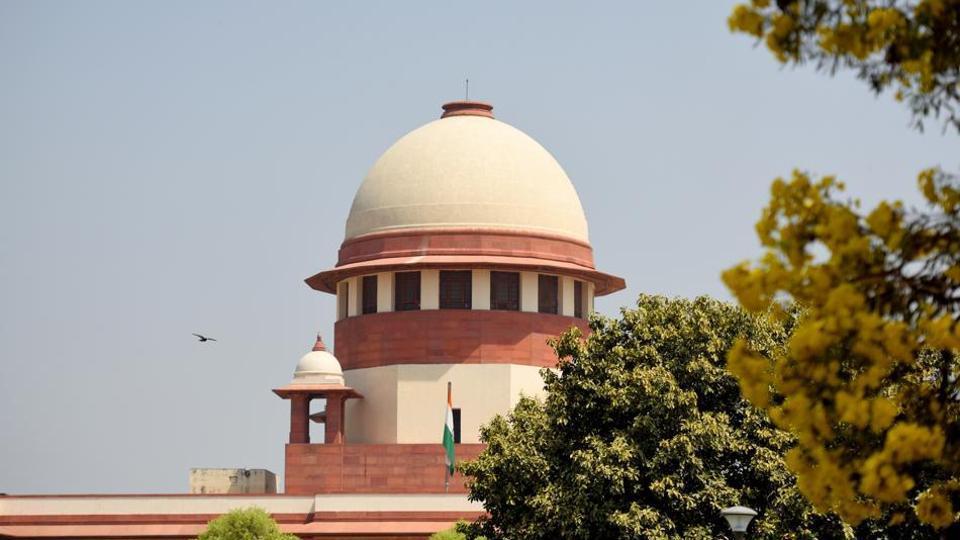
The apex court made a distinction between voluntary retirement and resignation which impacts pensionary benefits under the Rules while deciding a case relating to resignation of an employee of BSES Yamuna Power Limited.
“The decision to resign results in the legal consequences that flow from a resignation under the applicable provisions. These consequences are distinct from the consequences flowing from voluntary retirement and the two may not be substituted for each other based on the length of an employee’s tenure”, the court held.
The CCS Pension Rules apply to government servants including civilian government servants in the Defence Services appointed before December 31, 2003.
As per the rules, an employee forfeits his past service upon resignation, consequently disentitling him to pension. However, an employee who has completed 20 years of service can voluntarily retire from service, which will enable him to avail of pensionary benefits.
In this case, the employee, Ghanshyam Chand Sharma, had resigned from service on July 7, 1990. He was subsequently denied pension on the grounds that he had forfeited his past service by resigning. Additionally, the company also argued that Sharma had not completed 20 years of service which would have entitled him to take voluntary retirement.
The Delhi high court had ruled in favour of the employee on the grounds that he had completed 20 years of service and his resignation should, therefore, be treated as voluntary retirement. The high court ordered the payment of pensionary benefits to Sharma, following which the BSES went in appeal to the Supreme Court.
The Supreme Court noted that Sharma had resigned from service after his application for voluntary retirement was rejected on the grounds that he had not completed 20 years of service.


