Former President Ram Nath Kovind advocated for the implementation of “One Nation, One Election”, his first public comments on the issue since the cabinet cleared a report on the subject by a committee headed by him.
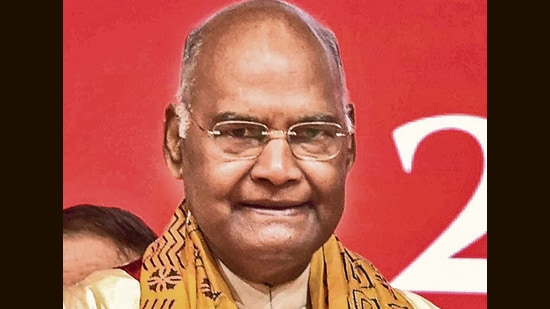
Speaking at the 30th Lal Bahadur Shastri Memorial Lecture in the capital on Saturday, Kovind said, “Shastri’s example is still relevant in our present context. Our future depends upon what we do today. So we must discuss, debate, and seek the best ways forward for the nation’s future. One Nation, One Election is one such way to secure a better future for our nation.”
Kovind, who chaired the High Level Committee on One Nation, One Election, highlighted challenges faced by elected governments in fulfilling promises under the “current form of disrupted elections”. He cited Rajasthan as an example, which held polls in November last year.
He noted that with the model code of conduct for the 2024 Lok Sabha elections coming into force in March, “the priority of the administrative machinery of the state shifted towards conducting elections.” “This realignment resulted in the sidelining of developmental work, impacting essential services and education, and effectively consuming about 6 to 7 months of governance,” he added.
Kovind warned that frequent elections could lead to “divisive and polarising campaigns”, exacerbated by social media echo chambers. He argued this ongoing focus on identity politics during repeated campaigns disrupts social harmony and diverts attention from essential governance issues.
{{/usCountry}}Kovind warned that frequent elections could lead to “divisive and polarising campaigns”, exacerbated by social media echo chambers. He argued this ongoing focus on identity politics during repeated campaigns disrupts social harmony and diverts attention from essential governance issues.
{{/usCountry}}The economic impact of constant elections was a central theme in Kovind’s speech. “Our country could be losing out on approximately 1.5% of GDP growth due to constant elections,” he said.
Addressing what he said were misconceptions, Kovind refuted claims that simultaneous elections would be anti-constitutional, asserting they could “strengthen federalism”.
The High Level Committee, formed by the Centre in September, 2023, held extensive consultations. Backing simultaneous polls, it proposed a two-step approach: first, holding simultaneous elections for Lok Sabha and state legislative assembles, and second, synchronising local (municipal and panchayat elections) within 100 days of these. The Union cabinet approved the report on September 18.