The Uttar Pradesh agriculture and horticulture departments, along with the Jal Shakti department, is rolling out a plan to turn a five-kilometre radius along both sides of the Ganga into an organic farming belt and in the process giving farmers a “new and diversified income platform”.
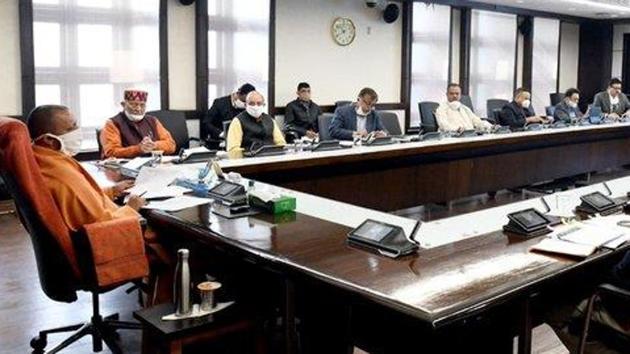
“According to the plan, the villages and farmers settled on both sides of Ganga will be encouraged to go organic by discouraging the use of chemicals — fertilizers, insecticides, pesticides — and grow grains, fruits, flowers organically. The farmers will also be given training in organic cultivation,” said a state government spokesperson.
“The government is embarking on organic farming, considering the large market and demand for organic products in the country, as well as abroad. The Yogi government is working on three major goals simultaneously through an organic farming promotion scheme. The first goal is cleanliness and protection of the Ganga. The second is boosting farmers’ income and the third is the production of large quantities of organic crops in the state,” the spokesperson said.
“Farmers will be provided with the necessary equipment at concessional prices, along with training and information for this. The departments are in the process of identifying organic crops, products and provide special markets for the scheme,” said the spokesperson for the Jal Shakti ministry.
{{/usCountry}}“Farmers will be provided with the necessary equipment at concessional prices, along with training and information for this. The departments are in the process of identifying organic crops, products and provide special markets for the scheme,” said the spokesperson for the Jal Shakti ministry.
{{/usCountry}}To free the Ganga from pollution, the Yogi government has decided to take strict steps to stop the use of chemical fertilizers. The state government is preparing to completely ban the use of chemical fertilizers in the districts through which the Ganga passes, the spokesperson added.
“By promoting organic farming, natural farming and horticulture in the Gangetic plains, the government is going to give a new and diversified income platform to the farmers,” said an officer of the agriculture department.
In addition to proper management of solid waste, disposal of garbage, polythene will be banned completely in villages along the Ganga. A senior official of the Namami Gange department said the use of chemical fertilizers was a major cause of pollution in the Ganga and the idea now is to stop it completely.
Cabinet minister and UP government spokesperson Sidharth Nath Singh said the Yogi government was committed to the betterment and progress of the farmers of the state along with the ‘Nirmal and Aviral Ganga (clean and free-flowing Ganga)’.
Trees and plants like peepal (sacred fig), pakad (white fig), mango, jamun (black plum) and banyan will be planted along the river to protect its banks from erosion and degradation.
Ganga nurseries will be developed in every district and geo-tagging of all the plants along the river will be done to prevent their theft. For this, help from the forest department will also be taken.
A campaign will also be launched to free land along the Ganga from encroachment so that these places become attractive for tourists.
Ganga stadiums will also be built in villages along the river for promotion of sports. Renovation and beautification of ponds along the river are also part of the plan.