E-Paper



Pandals in Madhya Pradesh restrict entry of Muslims
Garba organisers in Madhya Pradesh have restricted entry of non-Hindus into dance pandals, days after the state government called for checking of identity cards of people entering such premises, according to people aware of the matter.

 Prefer HTon Google


Garba organisers in Madhya Pradesh have restricted entry of non-Hindus into dance pandals, days after the state government called for checking of identity cards of people entering such premises, according to people aware of the matter.
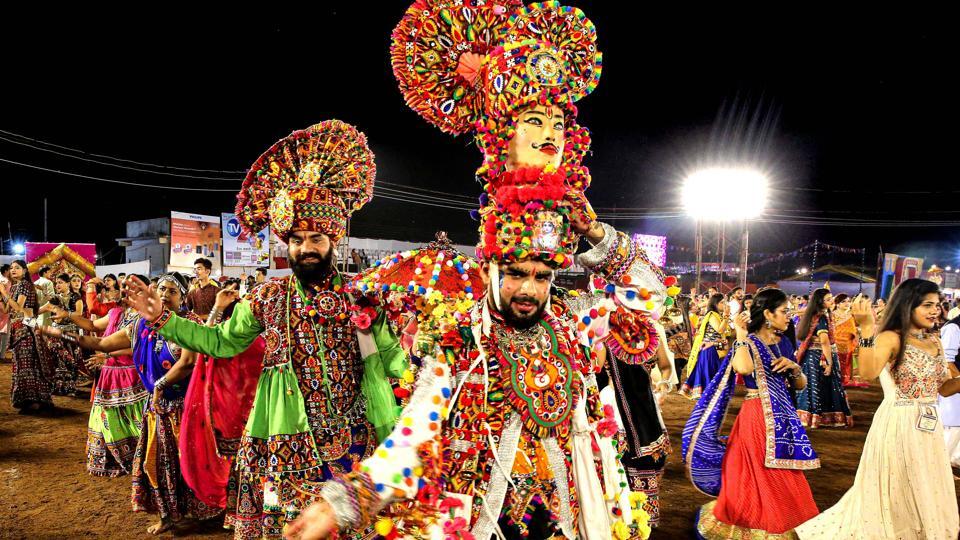
Traditional garba dance events are organised during the nine-day Navratri festival which began on Monday.
An organiser in Nanakheda in Ujjain district has put up a poster, saying “entry of non-Hindus in garba premises is prohibited”. The organiser, Sanskriti Samiti, is checking identity cards and also applying vermillion on the foreheads of those entering the place, the people said.
“Non-Hindus come to garba pandals to create nuisance. We have decided to ban their entry to provide a safe environment,” Bahadur Singh Rathore, president of the organisation, said.
Likewise, Shri Samarpan Welfare Society in Narmadapuram district has also enforced a dress code and strict checking of identity cards.
“We have made Indian attire compulsory and entry of religious people only,” event organiser Swadesh Saini said.
State home minister Narottam Mishra on Tuesday had directed garba organisers to check the identity cards of people before allowing them entry into the dance pandals.
“Navratri, the festival of worship of Maa Durga, is the centre of our faith. In a bid to maintain peace and harmony on such a holy occasion, the organisers have been instructed to provide entry in the garba events only after checking the identity cards,” he told reporters.
Earlier this month, state culture minister Usha Thakur suggested that entry into garba dance venues in the state during the Navratri festival should be allowed only after checking of identity cards to prevent “love jihad” – a term used by right-wing groups to describe an alleged conspiracy by Muslim men to woo and seduce Hindu women, although courts and the Union government do not officially recognise it.
“The garba organisers are now watchful. Those who come to garba events should bring identity cards. No one (should be allowed) without identity cards. This is advice for all; garbas had become a means of love jihad,” she said.
Following the state government’s directive to check identity cards, eight Muslims were arrested in Indore on Tuesday for allegedly trying to enter a garba pandal by hiding their identities, police said.
On Thursday night, a 35-year-old Muslim man was arrested under section 151 (creating disturbance) of Indian Penal Code in Palsikar colony for allegedly passing lewd comments on Hindu women at a pandal, according to Ravji Bazar town inspector Pritam Singh Thakur.
He was also beaten up by organisers before being arrested.
In Narmadpuram, organisers have announced a strict dress code to prevent entry of non-Hindus, the people cited above said.