The Punjab agriculture department has raised apprehension over the central government’s proposal to pay fertiliser subsidy to farmers through the direct benefit transfer (DBT) system, saying it may lead to misuse of funds for non-agricultural purposes by those in dire need of cash, thus leading to indebtedness in the farming community.
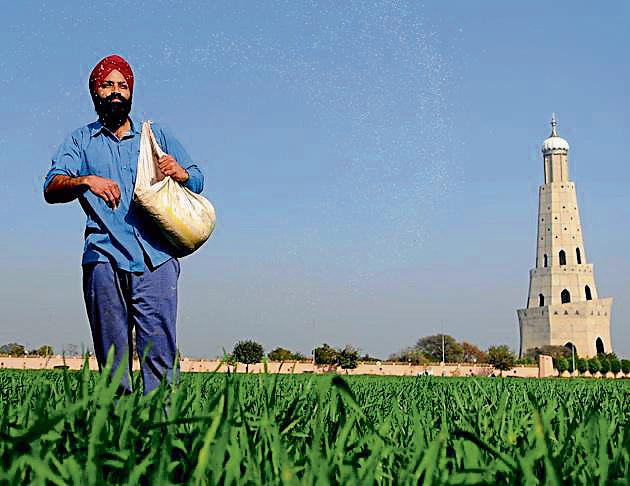
In a discussion with the Union agriculture secretary and other officials through video conferencing on Thursday, state additional chief secretary (agriculture, horticulture and food processing) Viswajeet Khanna said the move will affect the cash flow of farmers in case subsidy is not released on time. Also, the government’s cash flow will suffer in case arrangements are made for monetary disbursal through e-payment by placing the funds with the banks for release to farmers when they made purchases, he added.
Of a total fertiliser subsidy of ₹70,000 crore disbursed in the country, ₹56,000 crore goes for urea alone and the rest for other fertilisers. Punjab uses 15% of 25 lakh tonne fertiliser used in the country.
Since the Centre gives two-third subsidy on urea, Punjab farmers have to shell out upfront ₹12,600 crore annually and it will not be possible for them to make huge expenditure on fertiliser purchase, officials said. Currently, the state farmers shell out ₹4,200 crore on the purchase and the rest is transferred to manufacturers’ companies later.
Making a case for continuing with the existing system of DBT to fertiliser manufacturers, Khanna said direct transfer to farmers will help the private companies as large amount of subsidy remains pending as it is transferred in proportion to the urea bought by the end-users.
{{/usCountry}}Making a case for continuing with the existing system of DBT to fertiliser manufacturers, Khanna said direct transfer to farmers will help the private companies as large amount of subsidy remains pending as it is transferred in proportion to the urea bought by the end-users.
{{/usCountry}}Khanna said since the use of fertilisers in state is higher than other states given large production of paddy and wheat, a one-size-fits-all formula can’t be implemented in the entire country.
At present, the sale of urea is recorded at point of sale (POS) machines with the fertiliser dealers.
The Union agriculture ministry has said the entire subsidy was going to companies, something which the farmers were not happy about.
Low price of urea at sale points leads to its more use, and in turn, more consumption of water. Subsidised urea is diverted for industrial use in manufacturing of slippers, dyes, and binding agents in plywood industry, it is argued.
The Centre wants to implement the new system in a phased manner. In the first phase it is proposed to include only urea under DBT to farmers for four years. In initial three years of implementation, urea subsidy to companies will be reduced gradually and savings will be passed on to farmers.