E-Paper



‘Senseless attempts’: India disses China over renaming Arunachal locations
MEA said assigning invented names won’t alter the reality that Arunachal Pradesh is, has been, and will always be an integral and inalienable part of India

 Prefer HTon Google


NEW DELHI: India on Tuesday rubbished China’s move to rename locations in Arunachal Pradesh as part of efforts to assert its claim on the northeastern state, saying such “senseless” actions will not change the reality of the region being an integral part of the country.
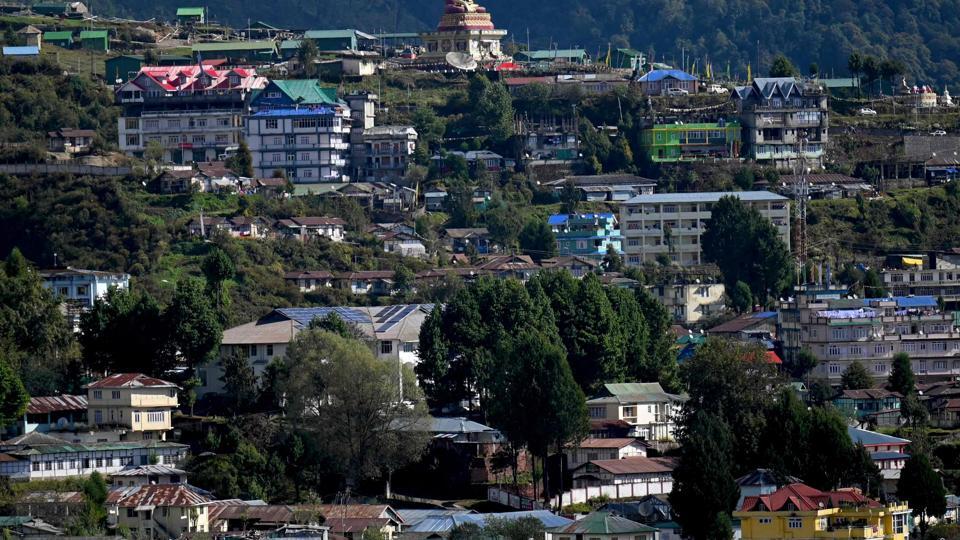
China’s ministry of civil affairs, which is responsible for naming administrative divisions, recently released the fourth list of standardised geographical names for locations and features in Arunachal Pradesh, which Beijing claims as Zangnan or part of southern Tibet. India has consistently rejected such moves to rename places.
External affairs ministry spokesperson Randhir Jaiswal said: “China has persisted with its senseless attempts to rename places in the Indian state of Arunachal Pradesh. We firmly reject such attempts.”
He added, “Assigning invented names will not alter the reality that Arunachal Pradesh is, has been, and will always be an integral and inalienable part of India.”
External affairs minister S Jaishankar had bluntly rebuffed the Chinese move when he was asked about it by reporters on Monday. “If today I change the name of your house, will it become mine? Arunachal Pradesh was, is and will always be a state of India. Changing names does not have an effect,” he said.
China has rechristened dozens of locations and geographical features in with Chinese and Tibetan names in recent years. It has issued lists of such names in 2017, 2021 and 2023. China’s ministry of civil affairs said the new names will be reflected on official maps later this year, according to reports in the Chinese state-run media.
The fourth list of names was issued by China on Saturday, weeks after Prime Minister Narendra Modi’s visit to Arunachal Pradesh to inaugurate the Sela Tunnel, built at an altitude of 13,000 feet, as part of efforts to boost infrastructure along the Chinese frontier amid a military standoff in Ladakh sector of the Line of Actual Control (LAC). The tunnel will facilitate the speedier movement of troops in the strategic region.
The external affairs ministry had rejected China’s baseless claims on Arunachal Pradesh following Modi’s visit to the region and said such moves would not change the position on the ground.
The fourth list includes 11 residential areas, 12 mountains, four rivers, a lake, a mountain pass and a piece of land, and covers more parts of Arunachal Pradesh than the previous lists issued in the past seven years.
The standoff on the LAC has sent India-China ties into freefall, with India repeatedly underscoring that the bilateral relationship cannot be normalised without peace and tranquillity on the border.