A five-judge bench of the Supreme Court led by Chief Justice of India (CJI) Ranjan Gogoi will rule on Wednesday on whether the CJI’s office is covered by the transparency law, the Right to Information (RTI) Act.
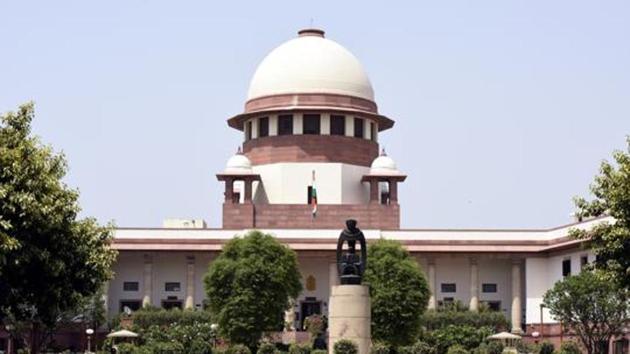
The Supreme Court verdict will come on a petition filed by Central Public Information Officer of the Supreme Court against a Delhi high court ruling of 2010 that held the office of the CJI to be a public authority and directed the secretary general of the top court to disclose details of the assets of judges sought by RTI activist SC Agarwal.
Agarwal had in 2007, under the RTI Act, sought a a copy of the resolution dated 7.5.1997 of the full court of the Supreme Court, which requires all judges to make a declaration of assets possessed by them.
In 2010, a three-judge bench of the Delhi high court comprising justices AP Shah, Vikramjit Sen and S Murlidhar had held that the office of the CJI is a “public authority” and hence it comes under the RTI Act. But the ruling was challenged in the top court, which stayed the operation of the judgment while admitting the appeal.
The bench had then said: “RTI Act merely recognises the constitutional right of citizens to freedom of speech and expression. Independence of judiciary forms part of basic structure of the Constitution. The independence of judiciary and fundamental right to free speech and expression are of a great value and both are required to be balanced. The current debate is a sign of a healthy nation.”
{{/usCountry}}The bench had then said: “RTI Act merely recognises the constitutional right of citizens to freedom of speech and expression. Independence of judiciary forms part of basic structure of the Constitution. The independence of judiciary and fundamental right to free speech and expression are of a great value and both are required to be balanced. The current debate is a sign of a healthy nation.”
{{/usCountry}}Arguing the case, earlier this year advocate Prashant Bhushan had submitted to the court: “Disclosure of information is the best safeguard to ensure the right people get appointed and disclosure must be in public and has to be for the public.”
Attorney general of India KK Venugopal, appearing for the Supreme Court, asserted that full transparency will affect judicial independence and details pertaining to judges should not be made public.
The question whether the office of the CJI comes under the RTI Act or not was referred to a constitution bench in 2017. The three-judge bench that made the reference was headed by Gogoi, the current chief justice.