J Jayalalithaa has filed over 1,000 defamation cases during her six terms as Tamil Nadu chief minister in an attempt to silence her rivals from civil society to journalists to political opponents.
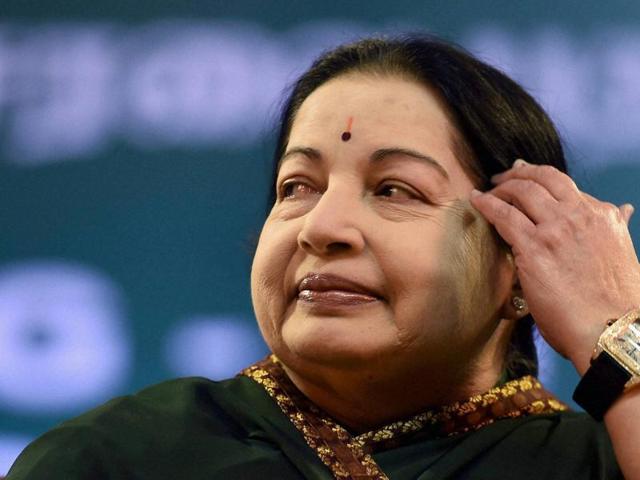
The Supreme Court on Thursday ticked her off and said it amounted to “curbing of free speech” and that a person cannot be prosecuted for defamation for calling a government corrupt or unfit.
The top court said filing cases of defamation against legislators or bureaucrats for criticising the government created a “chilling effect”. “There has to be tolerance of criticism...The defamation law can’t be used as a political counter-weapon,” the court observed.
The AIADMK supremo used the defamation law defined under sections 499 and 500 of the Indian Penal Code (IPC) as a counter weapon and as many as 1,600 cases of criminal defamation were filed by the state on behalf of the CM.
“It is a complete misuse of power,” KR ‘Traffic’ Ramaswamy, a veteran social activist with several cases to his name, said. “She files these cases and because the judiciary is scared of her, they are her method of torturing the people,” he added.
{{/usCountry}}“It is a complete misuse of power,” KR ‘Traffic’ Ramaswamy, a veteran social activist with several cases to his name, said. “She files these cases and because the judiciary is scared of her, they are her method of torturing the people,” he added.
{{/usCountry}}Ramaswamy recently attracted Jayalalithaa’s ire after sending several WhatsApp messages regarding state relief efforts during last year’s devastating floods. He is one of the rare people who has filed a case of defamation against the AIADMK government: A reaction to a June 12 article in party mouthpiece Namadhu MGR which featured a cartoon titled “Nersal Ramaswamy” (Fed-up Ramaswamy).
Her penchant for filing cases has provoked ridicule. DMDK leader Vijayakanth, who along with former Tamil Nadu Congress president EVKS Elangovan, is the latest opponent to be accused of defamation, said via a prosecutor that the state government acted like a “post-office” under Jayalalithaa’s control.
Last year, justice Dipak Mishra, who was the part of the bench hearing Vijayakanth’s petition on Thursday, said that the CM should not treat political attacks like personal slurs.
“You have to understand that these comments are a criticism of a concept of governance,” justice Mishra was quoted as saying by The Hindu. “There is nothing against an individual. Why this criminal defamation then?”
Popular Tamil magazine Junior Vikatan and controversial bi-weekly Nakkeeran have also faced the ageing CM’s wrath.
Nakkeeran and its editor, RR Gopal, were accused of defamation after printing an article titled “Containeril Pannam Pathukkal, Marraikapatta Unmaigal, Sikkiya Aavanangal (Money stashed in containers, hidden truths, seized documents). The article allegedly contained “content of a defamatory nature against Jayalalithaa.”
Junior Vikatan and its editor P Thirumavalen were targeted after publishing an article criticising Jayalalithaa’s performance as part of the magazine’s pre-assembly elections special.
“Filing cases is their routine, and writing about them is ours. We won’t abandon our work just because they threaten us,” Thirumavalen said.
The SC’s comments are a good sign that things might change, however.
“It’s a great ruling,” Ramaswamy said.
“Let her pursue these cases in the civil courts if she wants to - because the fear of being prosecuted in the criminal courts gives the message that nobody can question the government.”
Read| Explained: Supreme Court verdict on defamation law, its implications