E-Paper



UP largest beneficiary of special aid to states for capital expenditure
The scheme offers 50-year, interest-free loans to states in addition to their usual annual borrowing limits

 Prefer HTon Google


New Delhi: Uttar Pradesh is so far the largest beneficiary of the ₹1.30 lakh crore special assistance to states for capital expenditure in the current financial year, followed by Bihar, Madhya Pradesh and West Bengal, official data show.
Out of ₹98,156.9 crore approved under the scheme by December 13, UP’s share was highest at ₹18,936 crore based on prescribed eligibility criteria. Bihar was the second largest beneficiary with total approval for ₹9,932.25 crore, followed by MP ( ₹8,134 crore) and West Bengal ( ₹7,523 crore).
The scheme offers 50-year, interest-free loans to states in addition to their usual annual borrowing limits. The scheme has twin objectives, to provide growth impetus through public expenditure and to nudge states to undertake citizen-centric reforms. Some states could not avail the benefits as they did not meet the eligibility criteria. Kerala and Andhra Pradesh are among them.
More than 95% of the budgeted ₹1.30 lakh crore have been sanctioned and ₹60,307.19 crore have been released to states by December 13, the data show. UP also topped the disbursal list with ₹12,458.43 crore released to the state so far in 2023-24. Bihar is the next with ₹6,135.54 crore, followed by MP ( ₹5,325.6 crore) and West Bengal ( ₹5,015.58 crore), data showed.
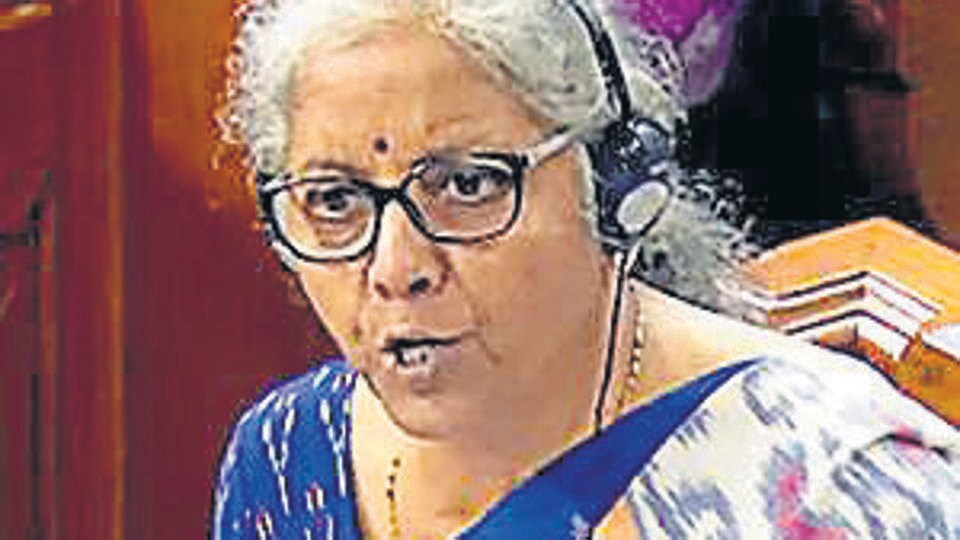
The scheme was first launched in October 2020 by finance minister Nirmala Sitharaman to stimulate demand after the economy was hit hard by the Covid-19 pandemic and consequent nationwide lockdown. She proposed a ₹12,000 crore special interest-free, 50-year loan scheme to states to be spent by March 31, 2021. The scheme also incentivised states to undertake citizen-centric reforms such as implementation of one nation, one ration card system, ease of doing business, strengthening local bodies and power sector reforms.
In the next financial year (2021-22), the budget under the scheme was raised to ₹15,000 crore, with additional incentive to states for privatisation of the state public sector enterprises and recycling of assets. The scheme continued in 2022-23 with an enhanced allocation of ₹1.07 lakh crore with incentives for reforms in areas involving PM GatiShakti, rural roads, digitisation, laying of optical fibre cables, urban reforms; disinvestment of state public sector enterprises and scrapping of old vehicles.
The scheme attracted most states to avail the easy credit and that was reflected by actual disbursals. In 2020-21, the Centre released ₹11,830.29 crore, which went up to ₹14,185.78 crore in 2021-22, and ₹81,195.35 in 2022-23. Experts expect the total disbursal in 2023-24 to cross ₹1 lakh crore.
The success of the scheme led to enhanced allocation of ₹1.30 lakh crore in the 2023-24 budget. While ₹1 lakh crore has been allocated to states in proportion to their share of central taxes as per the award of the 15th Finance Commission, the balance is part of incentives for reforms, including urban planning reforms, housing for police personnel, unity malls, library and digital infrastructure.
The scheme encourages states to make capital investments, which have a multiplier effect on growth, a government official said. The scheme is expected to continue in 2024-25 to maintain the growth momentum as private investments are yet to pick up pace, he said, requesting anonymity.
States must, however, meet certain conditions to avail the scheme, he said. These include full compliance with the official name and branding of all centrally sponsored schemes, integration of state treasuries with Public Financial Management System (PFMS) and deposit of central share of interest earned in the Consolidated Fund of India.
PFMS is a web-based online software application developed and implemented by the Controller General of Accounts in the department of expenditure under the finance ministry to track funds released under various schemes.