E-Paper



Madhya Pradesh: Investigators say NGO helped poach leopards to raise funds
The probe into the seizure of 10 leopard skins in Uttar Pradesh’s Agra in July led investigators to the alleged NGO link

 Prefer HTon Google


An employee of the conservation non-profit organisation (NGO) Wildlife SOS allegedly joined poaching networks under a false name and helped them poach at least 10 leopards, purportedly to raise funds by pretending to have infiltrated them to work as an informer, investigators said.
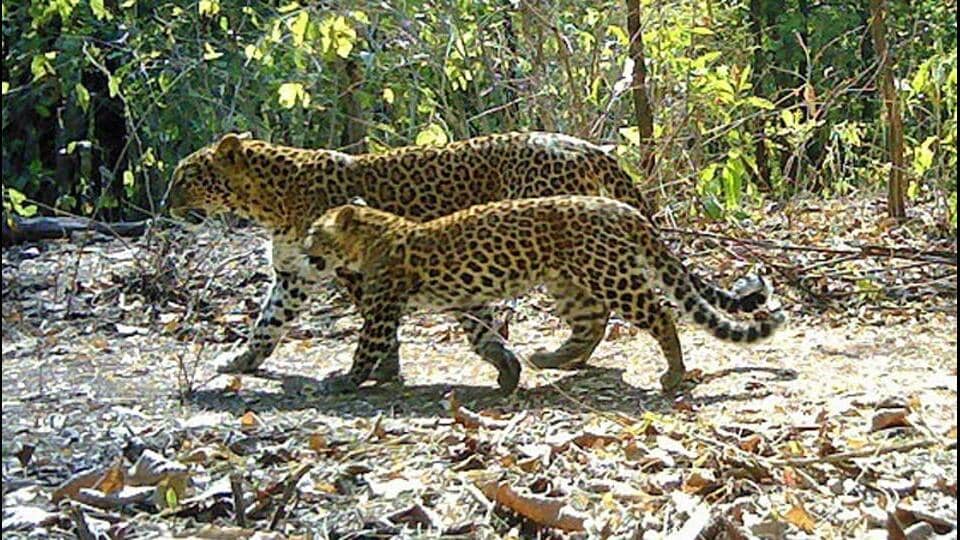
The probe into the seizure of 10 leopard skins in Uttar Pradesh’s Agra on July 23, the arrest of 11 smugglers from Uttar Pradesh and Madhya Pradesh, and the recovery of body parts, skeletons, and leg-hold traps led investigators to the alleged NGO link.
The investigators said the arrested poachers in the case confessed to poaching 10 leopards from Kuno wildlife, Sheopur forest divisions, and National Chambal Sanctuary, after being lured into doing so. They alleged the NGO hired Bhagwan Singh, who was terminated from the Delhi Police, to get in touch with metal trap providers in Haryana and tribals in Sheopur for the poaching under the false name of Salim.
An investigator, requesting anonymity, said tribals from Madhya Pradesh’s Sheopur were lured a year ago and provided metal traps. “They killed leopards mainly in buffer areas and extracted hides, other body parts and bones of leopards.”
The investigator said the NGO allegedly first provided the tribals with a metal trap to kill, trained them on keeping the hides secure, and then transported them to Agra for fake action to generate funds. “The hides were in good condition, which an untrained tribal could not have kept that way. Tribals confessed how they were helped in keeping them in good condition.”
Madhya Pradesh’s principal chief conservator of forests, Samita Rajora, said Bhagwan Singh alias Salim and Wasim Akram, an arrested accused, allegedly confessed to the NGO link and named Wildlife SOS co-founder Kartick Satyanarayan. She added that the investigators have strong digital evidence against them.
A court in Madhya Pradesh’s Shivpuri summoned Satyanarayan, but he failed to turn up on Monday. “Now, we have written for issuing a look-out notice against him. Another notice will be issued to give him a chance to be heard,” Rajora said.
Wildlife SOS called what it described as an attempt to vilify Wildlife SOS a total travesty of justice. “As torchbearers of India’s wildlife and forest resources, we protect, we preserve, and we plan for the health and welfare of creatures who are voiceless,” it said in a statement. It warned that misinterpreting legitimate anti-poaching intelligence work as wildlife crime could have grave consequences and a chilling effect on future enforcement.
The NGO asked what happens to informants, whistleblowers, well-wishers and anti-poaching personnel who come forward, share information and assist enforcement agencies if their efforts are subsequently misinterpreted as participation in the crimes they helped expose. “If people who help bring wildlife crime to the attention of authorities begin to fear that they themselves could be treated as suspects, who will come forward to protect India’s wildlife?
Wildlife SOS insisted it has records and proof to counter the allegations, calling them baseless. It said the NGO works with the poorest of forest dwellers because the animals mean as much to them as to nature lovers across the world.
Rajora said if the NGO was not hand-in-glove with the poachers, they should have informed them when one or two leopards were killed. “Why did they wait for a year for action against them? More revelations will be made on their involvement. But it is clear that this was done to raise funds.”