
 E-Paper



US lends support in India vs China in UNSC over Karachi attack statement
The UNSC routinely condemns such acts of terror. But the statement on the Karachi terror strike got complicated after Islamabad attempted to pin the blame on New Delhi.

 Prefer HTon Google


The United States on Wednesday stepped in to stall a United Nations Security Council statement pushed hard by Xi Jinping’s China on this week’s Karachi terror attack in light of New Delhi’s reservations over the Imran Khan government’s efforts to politicise the attack at Pakistan Stock Exchange.
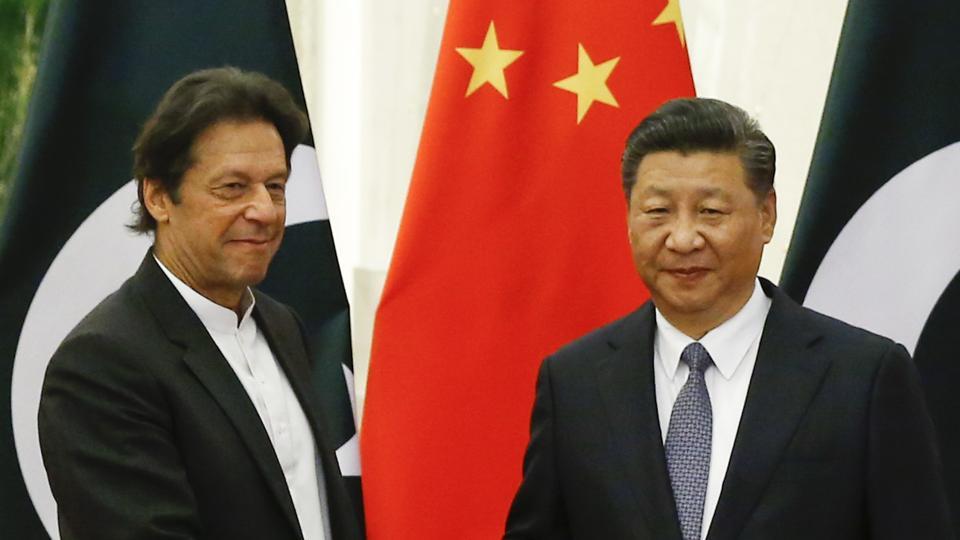
The UNSC routinely condemns such acts of terror. But the statement on the Karachi terror strike got complicated after Islamabad attempted to pin the blame on New Delhi.
Pakistan foreign minister Makdoom Shah Mehmood Qureshi had blamed the attacks on India on Tuesday. His boss Imran Khan echoed him in the National Assembly on Wednesday, claiming Islamabad had no doubt that India was involved. The Balochistan Liberation Army is reported to have claimed responsibility for the attack in Pakistan’s southern port city on June 29.
In informal consultations, several UNSC members took a dim view of Pakistan’s effort to queer the pitch and use the UNSC to achieve their political objectives in cooperation with mentor, China.
Germany was the first to speak up on the China-sponsored statement. The UNSC follows the silence procedure that considers a resolution to have the support of all members concerned if no one raises an objection to it within a specified time.
Germany’s intervention pushed the timeline, forcing China to extend the silence process to 10 am (Eastern Time) on July 1.
As this deadline was to expire, the United States also made an intervention. The procedure now stands extended till 1 pm (Eastern Time) on July 1.
Officials said that there was a good chance that the statement on the terrorist strike in Pakistan would be approved by the UNSC sooner or later. The delay, however, is the message to the China-Pakistan team that it could not expect a smooth ride at international fora.
Indian and Chinese soldiers have been locked in a stand-off in eastern Ladakh for weeks after People’s Liberation Army soldiers attempted to expand their territory on the Indian side. On July 15, the stand-off escalated into a violent scrap that led to loss of lives on both sides.
One Chinese diplomat posted at the UN who tried to push the Pakistan statement tried to nudge others to move quickly, arguing that taking action “slowly will send a bad signal to others and the victims.”
That statement, however, did not have the desired impact, particularly since China doesn’t have a track record of coming down strongly on terror. At the UNSC, China - one of the five permanent members - had blocked a resolution designating Jaish-e-Mohammad chief Masood Azhar as a global terrorist under 1267 resolution for years. Beijing eventually had to take a step back last year under intense international pressure. Pakistan has, however, not acted against Masood Azhar despite the UNSC resolution.


