Even as the world is debating how to reopen schools and conduct examinations amid a global pandemic, Covid-19 is also claiming the lives of the rarest knowledge-bearers like the indigenous people.
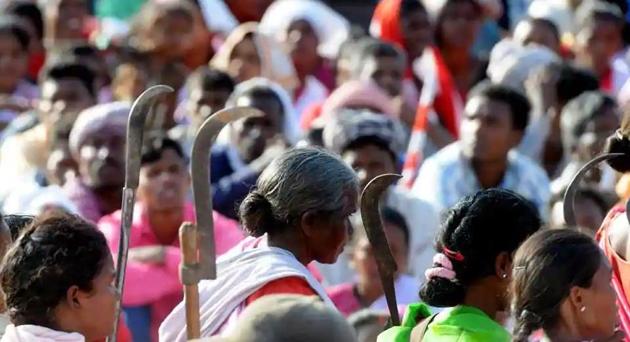
We know about the Great Andamanese, a particularly vulnerable tribal group with a population of just over 50.
They live on the tiny Strait Island, where outsiders have been banned to protect the Sentinelese way of life and avoid exposing them to infectious diseases. However, recently, 11 members of the tribe tested positive for Covid-19 while travelling to Port Blair for work.
One might want to ask why such an endangered tribe must seek work? Why isn’t the community supported to live in its own territories?
When we spend hundreds of thousands showcasing classical dance, why not invest in conserving an ancient culture?
The tragedy is, the world isn’t nurturing indigenous populations. Even tribes in the Amazon have been hit by the virus— almost 9% might be dying.
Globally, indigenous people are fighting back by wearing masks, isolating, spreading awareness. But they are vulnerable. Most of them don’t have the immunity against infectious diseases.
{{/usCountry}}Globally, indigenous people are fighting back by wearing masks, isolating, spreading awareness. But they are vulnerable. Most of them don’t have the immunity against infectious diseases.
{{/usCountry}}They tend to step out of their known ecosystems for work or health care or other services, exacerbating their vulnerability.
As we continue to fight the coronavirus, we must acknowledge that indigenous people around the world know how to live in complex ecosystems, with close exposure to the kind of creatures from whom the virus could have reached humans.
How have they shielded themselves? We won’t know, if they continue to be marginalised and culturally wiped out like this.
And without their knowledge, wisdom and skills, we will lose out on key knowledge we need to our green future.