
 E-Paper



Clanker alert: What our newest slur for AI reveals about us

 Prefer HTon Google


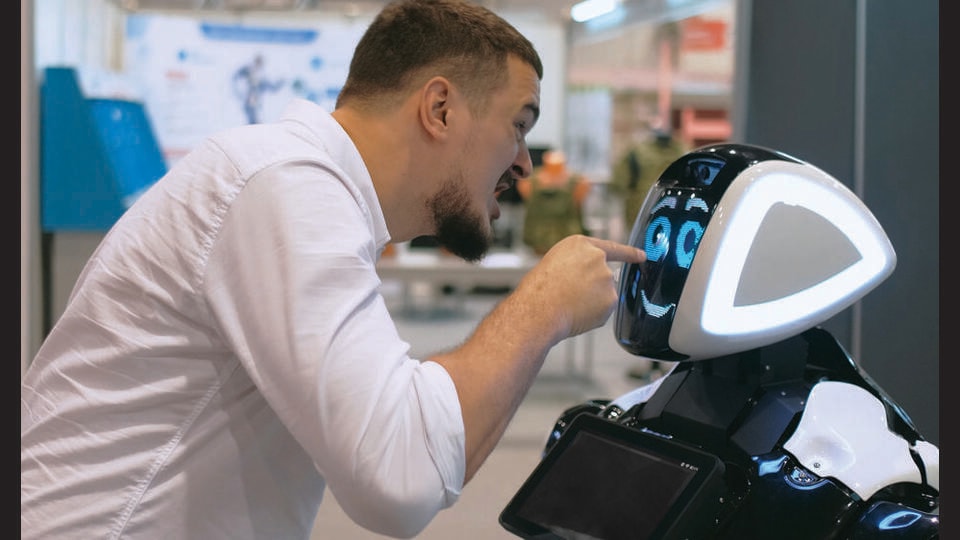
Calling AI a Clanker won’t hurt its feelings. The insult says less about machines and more about the humans who gave them that name
No, AI did not write this article. But over the past few weeks, it probably did generate some of your emails, maybe an apology note, a bucket-list itinerary, a cutesy Hinge bio, an About Us page that your boss keeps wanting changed. The bots build our cars, decide what music we should listen to, record and analyse our Likes and swipes. AI is trained to even flirt on our behalf. They’re making enough art to concern artists. Toy Story 5 is coming out and the new addition to the toy box is – gasp! – a tablet.
Naturally, we had to rummage through our human-made history to come up with a name to mock them. We didn’t look far. We found Clanker, from Star Wars: The Clone Wars (2008). The term was used for battle droids fighting a pointless war. Perfect!
Except this time, it seems less like a war and more a metallic sigh of disillusionment and low-key techno-anxiety. Because we’re not sure who’s winning, and who’s on which side. And who’s the villain, really.
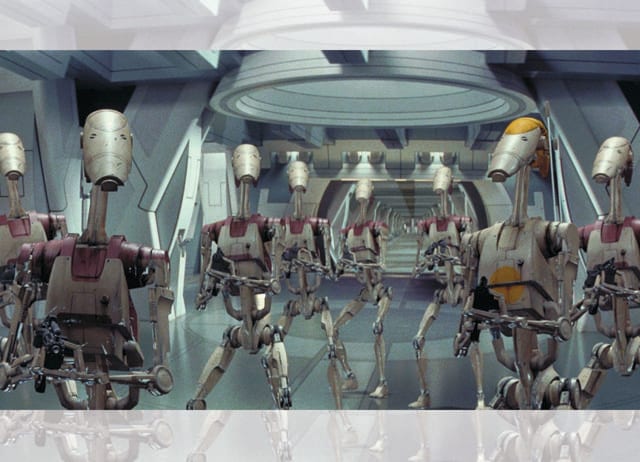
The term Clanker – specifically as a way to express our rage against the machines – first showed up on Reddit’s PrequelMemes threads in the late 2010s. But we’ve been dismissive and distrusting of tech for much longer. Back in the 1810s, groups of English textile workers, called Luddites, smashed cotton and wool looms, fearing that the machines would take over human jobs. The machines did, eventually. Luddite is now a term for someone who is afraid of adopting new tech. Can you really blame them? Early computer users in the 50s would label passive monitors and keyboards as Dumb Terminals, to distinguish them from machines that had human input. Now, a Smartphone is one in which the machine does all the work for you.
We’ve had Turing Tests (to gauge if a human knows it’s up against a bot) and Uncanny Valleys (the shrinking gap between us sensing artificial intelligence and it fooling us completely). We’ve called robots Toasters, as if that would stop them from taking over our jobs. We tried with Cog Sucker, but the joke was on us.
Clanker is just the latest episode of an old drama. “Humour is one of our oldest defense mechanisms,” explains Dr Gauri Raut, clinical psychologist at Dr LH Hiranandani Hospital, Mumbai. “We use it to manage emotions that feel threatening. When we laugh at something that unsettles us, we momentarily regain control.”
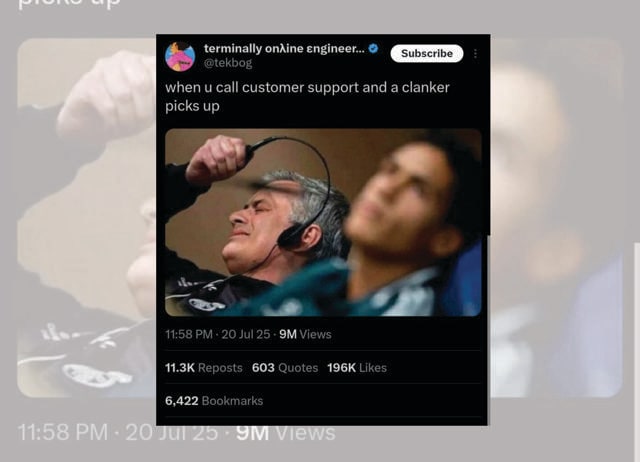
What’s unsettling us now? A future that arrived too quickly, too noisily. “With computers, we knew what was coming. Their arrival created more opportunities than they replaced,” says Jitendra Soni, a Jaipur-based digital consultant. “With AI, we’re being told to adopt, learn, and brace for impact all at once, while the technology remains deeply flawed.”
What’s fascinating is that we insult machines as if they were human. We call a chatbot “lazy”, a robot “soulless”. This anthropomorphism (the human tendency to project human traits onto non-human things) only means that we have emotional, human expectations from tech. “When those expectations aren’t met, frustration or resentment follows.”
But the way we talk about machines says something about language itself. “The only way to describe the unknown is through the known,” says Saswata Bhattacharya, associate professor of English at Deshbandhu College, University of Delhi. “Over time, words gather new meanings to express new realities. The story of Clanker is part of that long history of language evolving to capture our shifting relationship with technology.”
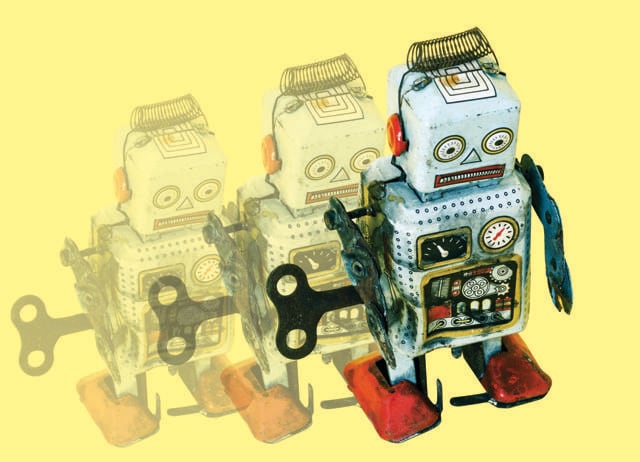
In one Reddit discussion, a user voiced unease about the growing use of the term: “Does that not… bother anybody else? Especially with people saying they’re using the ‘hard -ER’ version? It feels like we’re watching a form of oppression form in real time.” Step back and consider that we’re starting to worry about the bots’ feelings.
The bots don’t care. “AI systems don’t interpret slurs or sarcasm; they process text as data,” says Soni. “When users hurl insults at AI, whether directly or through memes and Reels, there’s no emotional impact. Calling them Clankers may feel like rebellion, but it changes nothing in their code.”
But it changes us. The more we frame technology as alien, the wider the gap we create between what we build and how we relate to it. “That distance makes understanding and accountability even harder,” says Arun Malik, associate dean of Computer Science and Engineering at Lovely Professional University in Punjab. “The question isn’t whether machines will get smarter, it’s whether we’ll stay thoughtful.”
Besides, when has railing against tech ever helped? “Over time, externalising anger or contempt onto machines can make it harder to process our feelings in healthy ways or to resolve conflicts with actual people,” warns Dr Raut.


