
 E-Paper



Dark mode activated: Why India’s late-night scene is popping

 Prefer HTon Google


Forget clubbing. Forget ghosts. The wee hours are now for walking tours, moonlight sails, and after-hours dives. Here’s what we do in the shadows
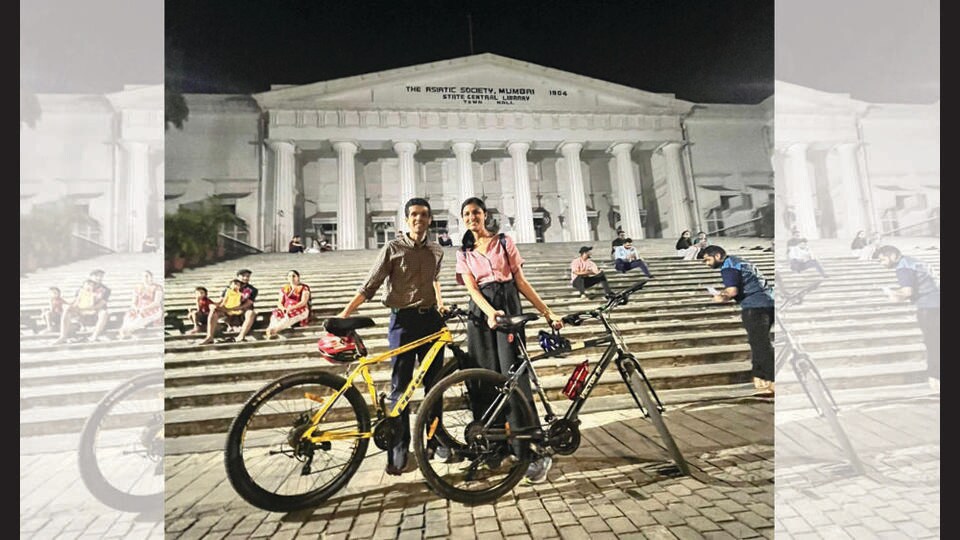
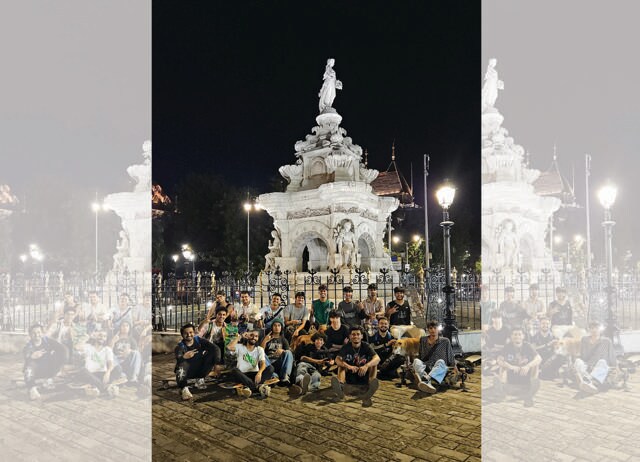
Once the sun goes down, some of India’s coolest plans come to life. Just last month, while Mumbai’s rains were hanging on like a pesky ex, one group decided that late night was the time to roll. Around 10pm, college student Vikas Mandal and his buddies from the 14-year-old community, Skateboarding In Mumbai, gathered in South Mumbai and cruised through the city’s iconic old precincts – Flora Fountain, Gateway of India, Asiatic Library and Marine Drive. They chose the perfect hour. The streets were empty, the breeze was finally cool, and it was easier for all of them – some members are as old as 40 – to wrangle out some free time.
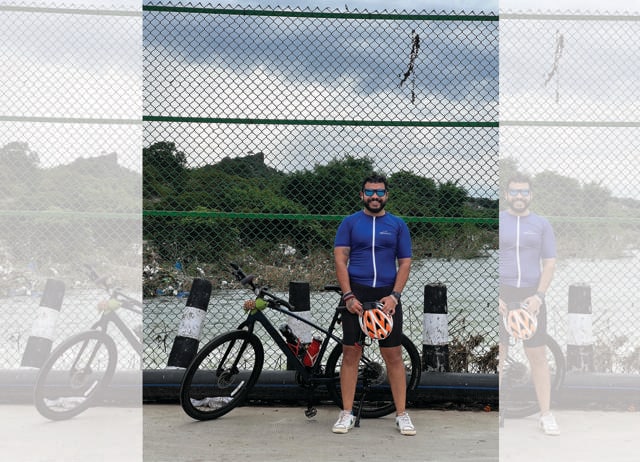
In Hyderabad, programme manager Dipayan Banerjee, 31, has found his own rhythm after sunset. He often hops onto his bicycle for a spin along the 23-kilometre solar-roofed cycling track that runs parallel to the city’s Outer Ring Road. It’s open 24/7 but “I love cycling at night,” he says. “I can go whenever I want, and Hyderabad is warm most of the year, so riding in the cooler hours feels better.” Some nights, he swaps his wheels for a badminton racket, for a late-night match with friends instead of meeting them at a noisy café.
We thought we were zombies, shuffling along and looking for mental stimulation. Turns out, we’re actually vampires, biding our time in the day only to come out at night. So, across India, events companies have quietly been filling up night-time slots for heritage walks, diving expeditions, stargazing sessions, sailing sessions, hikes, even music concerts. Nights used to be for vegetating alone in front of the TV and decompressing from life. Now, they’re primetime for a social life. Are the introverts and morning people OK with this?
Children of the moon
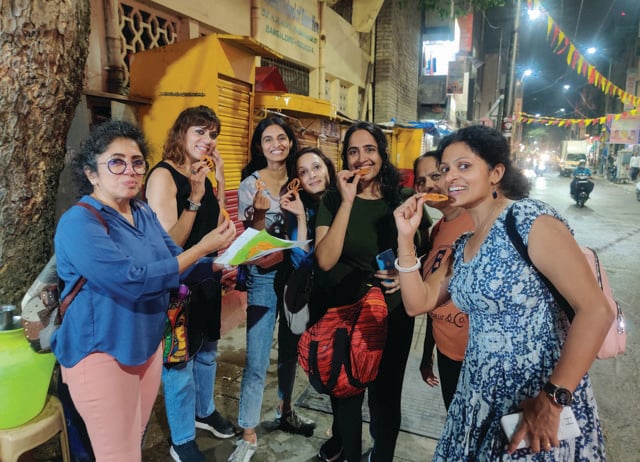
After-hours events are like seeing the same world through a new filter, say adventurers. Sabina Vinod, 48, recently signed up for a night tour of Chickpet, a bustling marketplace in Bengaluru, organised by Gully Tours. The learning and development professional loves history and culture. “But I’d never explored Chickpet because of the chaos.” The walk showed her a different side of her familiar city. “We learned how the jewellery market took shape in those narrow lanes, and how old hotels and colonial buildings have turned into clothing stores.” The bonus: The iconic Laxmi Natraj Refreshments wasn’t packed, which meant she could enjoy a wafer-thin podi masala dosa in peace.
Others are taking their first steps into the night and realising that clubbing isn’t the only cool activity once the skies darken. In Pune, school teacher Neha Sharma, and her scientist husband Ashish Arora, both in their 30s, signed up to watch fireflies at a camp near Mulshi Dam last year. It was the first time they’d stayed outdoors all night. “Somewhere between 1am and 1.30am, our guide began leading us into the depths of the jungle in small groups,” recalls Sharma. They fumbled in the dark for a bit – nothing was visible, let alone bioluminescent insects. They were ready to head back when a glowing swarm emerged. “The trees lit up! We also noticed the fireflies followed a synchronised pattern. A constellation would illuminate one section of the tree, then fade to darkness as another cluster burst into light elsewhere. It lasted barely ten minutes, but it was the highlight of the night.”
And for a few, overcoming an old fear is turning out to be rewarding. Shivraj Shah, who moved from Mumbai to Sydney, Australia, is a certified rescue diver, and credits his instructor with convincing him to attempt a night dive off Chidiya Tapu, a tiny island in the Andamans in 2023. “I was reluctant because I feared the dark,” he says. “But at night, marine life is different. You spot sea slugs, which usually come out at night. The refraction from your flashlight falls on insects and sleeping fish—some floating, some still, others gently swaying. None of this is visible in the day.”
Wee hours = we/ours
Where there’s interest, there is business. And where there’s business, there are challenges. Anoushka Jain founded Enroute Indian History in 2019, spotting an opportunity after the Archaeological Survey of India began illuminating key monuments in Delhi and opening them to evening visitors. Her group leads two popular post-sunset walks: Raat Ke Afsane, which weaves history and poetry through Qutub Minar, Safdarjung’s Tomb, Sunder Nursery and Lodhi Garden; and Ruhani Raatein, which explores ghost stories and legends at Purana Qila and Mehrauli Archaeological Park.
They’ve conducted 500 nocturnal tours for close to 10,000 guests. But Jain’s walks begin in the evening, not deep into the night. “There are two problems: We are a female-led group, and I cannot expect tour leaders, who are mostly college students, to conduct walks so late that they have trouble getting home. Also, it’s hard for parents of tour leaders to understand what we’re doing.”
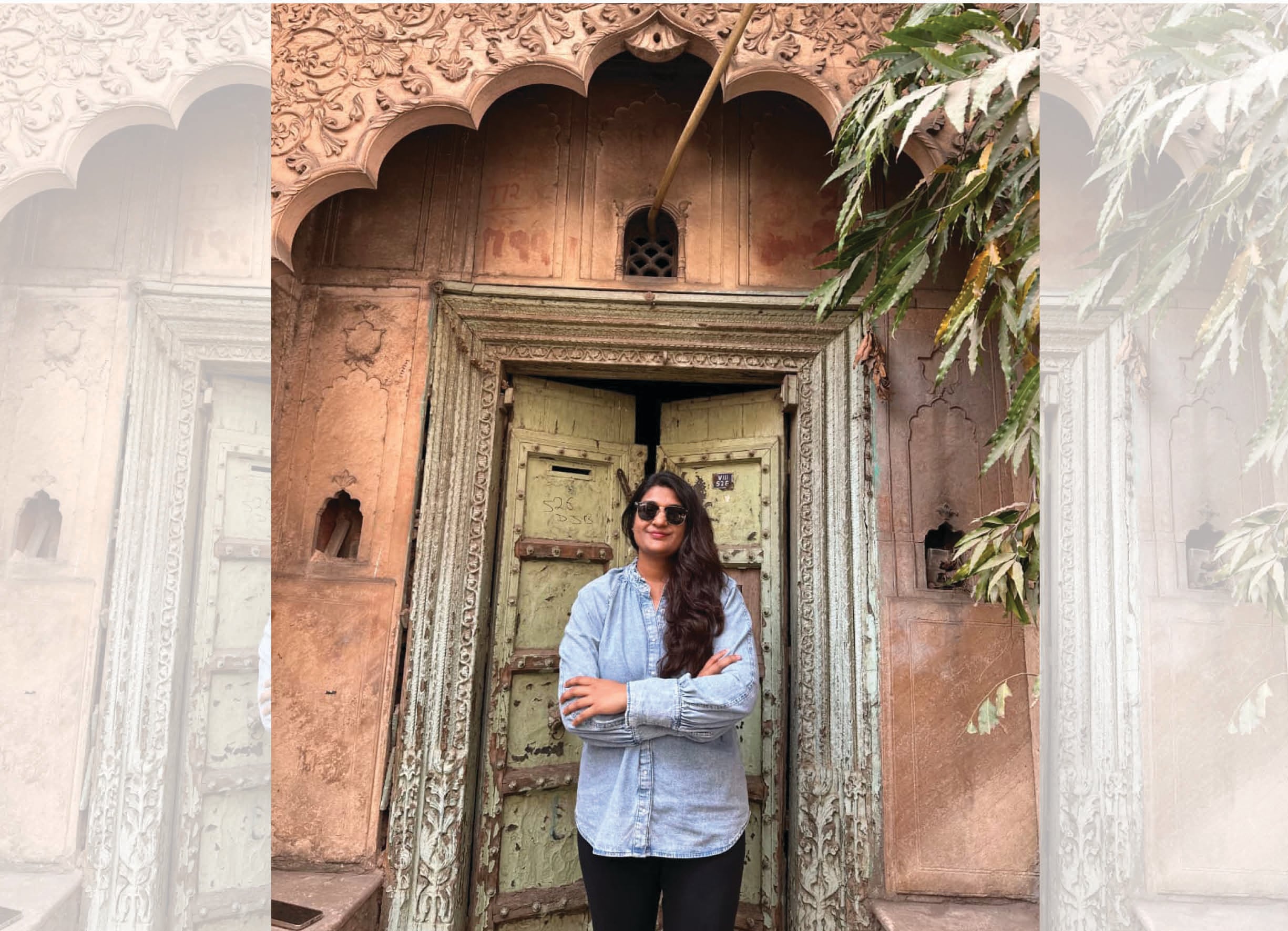
Even with early starts, there have been blackouts mid-tour. “The security guards are clueless about when the lights will come back on; they don’t have back-up generators. Sometimes, sections of monuments are blocked without notice, which disrupts the experience.” There haven’t been power cuts in the last few years, the monuments are cleaner than before but “the professionalism among management and staff still feels lacking.”
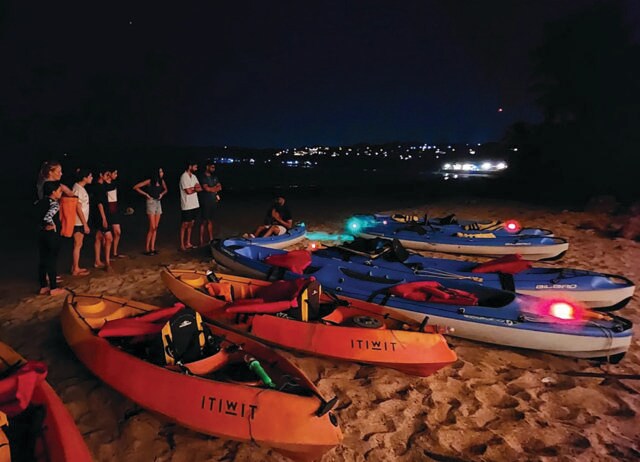
In Goa, Kim Sabir battles a different issue: How to get interested people to an interesting place at night in a state where public transport is abysmal even in the day. Sabir’s company, Adventure Breaks, introduced moonlight kayaking in 2021 and expanded into moonlight sailing experiences two years later. “With no Uber or Ola, no local buses or the Metro, people are at the mercy of taxi drivers who overcharge. Sometimes participants pay more to get to the activity than the activity itself,” he says.

And yet they come. “People have had enough of sitting in clubs at night in Goa. I have heard that young millennials don’t drink as much, and social media has nudged them towards adventurous experiences,” Sabir says. His company has hosted approximately 600 guests across 125 moonlight events.
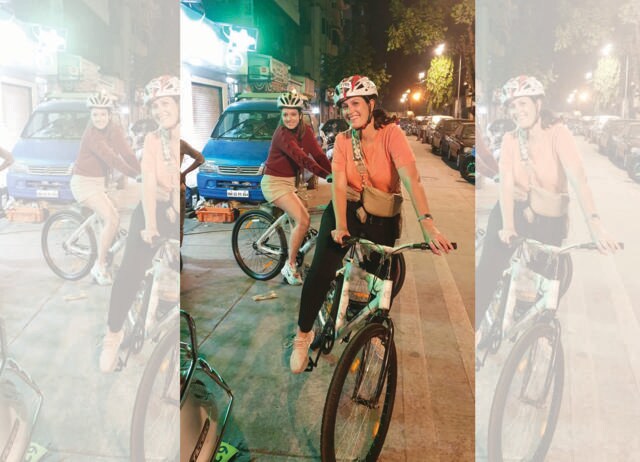
Of course, Mumbai would be Ground Zero for night-time events; it is the city that never sleeps. “But Mumbai transforms when the traffic disappears,” says Harshvardhan Tanwar. “You can engage with the architecture without constant horns and chaos.” Tanwar founded the tour-experiences company, No Footprints, in 2014 and introduced midnight cycle rides in 2016, playing up the safety angle for tourists and those new to Mumbai. He also runs a food walk after dusk.
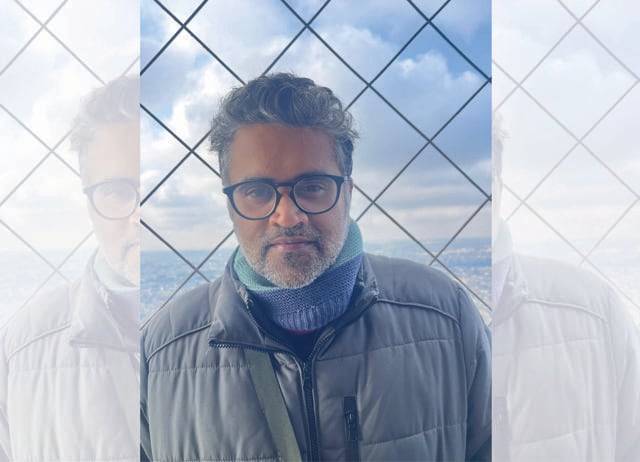
But while events start at midnight in Mumbai, his Delhi tours of the Chandni Chowk and Qutub areas are held “at a time when the streets are still lively and have movement”. His Jaipur bar crawl is conducted in a Jeep, “so participants are not walking around”.
Sudipto Lahiry launched Calcutta by Night last year to showcase Kolkata’s Dalhousie Square and smaller historic neighbourhoods such as Chitpur. They’ve held two editions of their Freedom at Midnight Walk, which kicks off at 9pm on August 14 and winds up at 2am on Independence Day. En route are hideouts where freedom fighters met, stories about secret societies, and the spot where Gandhiji stayed for a brief while in 1947.
The walks are popular enough for Lahiry to take them a notch higher. “I’ve written to local ASI authorities and church committees requesting that certain well-lit heritage sites, such as the General Post Office and St John’s Church, remain open to the public until late at least once a week,” he says. While permissions come through, he’s also working out new moonlit walks, food trails and boat rides along the Howrah. The hurdle: Red tape. “Even if the ASI opens a few heritage structures at night, we need the local administration to be accommodating. Often, we’re confronted by the police just for parking near a heritage building or gathering in a large group after sundown.”
Lunar rovers
Some governments are waking up to nighttime revenue. In October 2025, the Maharashtra government announced that establishments, excluding liquor outlets, can operate 24/7. In Delhi, some restaurants, hotels and transport services are allowed to operate around the clock. Hyderabad is working on a policy to keep cafes, cultural venues and transport lines buzzing after dark.
It’s sparking cautious optimism among entrepreneurs. “The government is realising that people have always had an interesting relationship with the night,” says Tanwar. “The move could support vendors and monuments tremendously.”
It’s an uphill task in the dark. Even our big cities have shady alleys, unreliable street lighting, night patrols who can’t tell the difference between a nerdy heritage walk and a gang of drunken troublemakers. Few cities have round-the-clock public transport, or proper public washrooms. And fewer are tolerant of large groups prowling at night, pointing at a monument, an owl, a constellation or a marine animal.
But for those stepping out at night, it’s an experience that deserves more attention, more regulation. Writer and nature enthusiast Setu, 33, moved to Dehradun in 2022, and enjoyed a night tour of neighbouring Mussoorie conducted by Been There Doon That. They set out at 8pm, drove down, took in the colonial buildings heard tales of how the town got its name from the Mansoori tree, and were done by midnight. “These walks feel like time travel,” he says. “You get to see what’s changed, what’s endured, and what we’ve lost along the way.”


