
 E-Paper



Hear and now: How sound-engineers make magic with music

 Prefer HTon Google


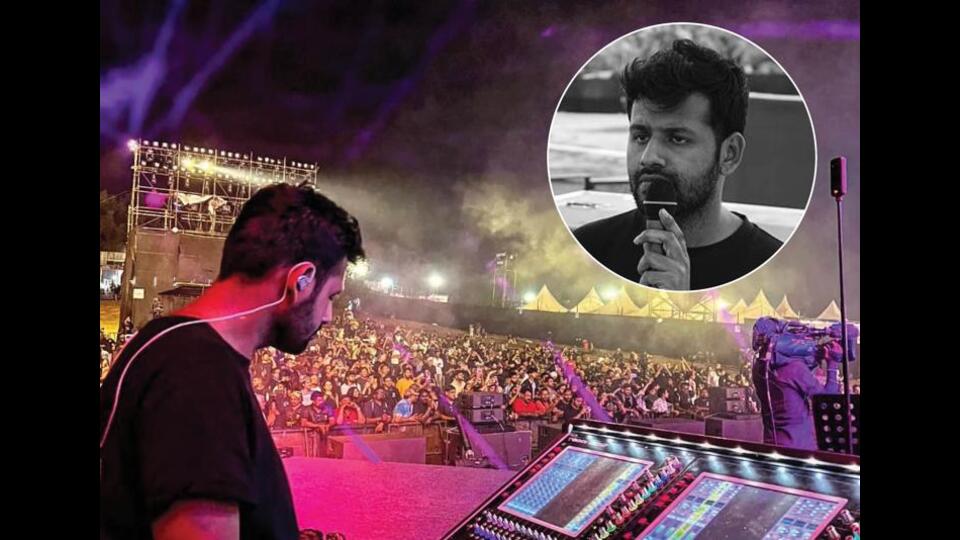
Sound engineers can make or break a gig. The job is thankless. The view, spectacular. Three experts talk about jumping genres and staying in the business
Close your eyes at a live performance and you’ll realise there’s a secret superhero at work. At music festivals, dance recitals or even when the wedding reception features a band, somewhere, there’s a sound engineer who knows that every note matters, and every ear deserves to hear it.
It’s a tough job. Sound engineers are the first to arrive and the last to leave. They determine if the bass thump at a rock gig is powerful enough to reverberate through your ripped jeans and your drink. They know when a guitar solo is coming up and needs to be louder and clearer than the rest of the song. They know how to distribute the music evenly across a large venue, so when your jam comes on, you can rush towards the stage even though you were in line for the loo. Crucially, they make sure the artists on stage can hear each other play – over the speakers, the crowds and the traffic a few metres away.
Sounds engineers don’t get their names on the poster. Few outside the industry know them. And yet, as India’s live-music industry grows, they’re busier than ever. Anindo Bose from Delhi, David James from Mumbai, and Simran Sachin Nasre from Pune take off their headphones for a quick chat about life on the job.
David James, 26, Mumbai
James started from the bottom. When a sound engineer visited his Delhi University campus, he asked him for an internship. He worked his way up through club shows and college events. “I saw how the sound engineer is responsible for the whole live act. There are no retakes. I was fascinated,” he says.
After attending a monitor-mixing workshop in Mumbai in 2018-2019, at 21, he met his mentor, senior engineer Samir Kripalani. He upskilled with lessons at an audio academy in Bengaluru. Today, he has worked as the monitor and system engineer for King and front-of-house for Taba Chake, Pakshee, Aastha Gill, Gully Gang. He’s also worked with indie acts such as Dreamnote, PropheC, Nalayak and Jasleen Royal.
The job, he’s found, is as much music as prep. Power issues are still common. He’s dealt with wrong power supply or voltage fluctuations during or before a show. Unregulated radio frequencies interfere with the music too. “At a venue near a college, the wireless mic and in-ear devices suddenly stopped working. Turns out, there was VIP movement and jammers were on. We immediately shifted everything to a wired system,” recalls James.
On-the-job training is important, so is networking, he says. “Show who you are working with. Tell people. Ask for work. Take substitute work. Be ready to volunteer during season time. Ask fellow engineers if you can go when they are not available. Musicians are welcoming if they see potential in you. That’s how you get your foot in the door,” says James.
Anindo Bose, 40, New Delhi
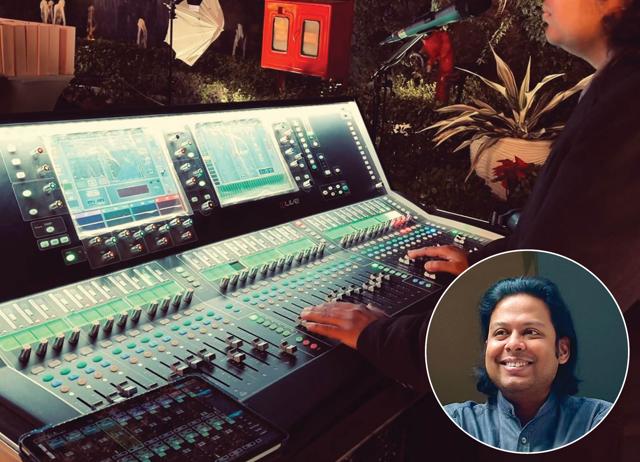
Bose started playing keyboards at five, picking up nursery rhyme melodies by ear. As a grown-up, he’s worked with Indian Ocean, Bipul Chettri, Peter Cat Recording Company, Prateek Kuhad, Anirudh Varma Collective and Mrigya on live shows. He also works in the studio, as bands and artists record their work.
Bose started recording demos of bands he was playing with in college. He found that the process didn’t just teach him a new skill and improve his own skills, it was actually fun. “I was no longer listening to just the keyboard part, but transcribing complete songs and breaking down their harmonic structure, melodies, grooves and bass lines,” says Bose.
Work poured in. Bose turned two rooms of his house into a studio. Plug ’n’ Play Studios is one of Delhi’s most sought-after recording spaces today.
Sound engineering is more than plug and play. Bose has had to deal with an unresponsive mixing console, microphones conking off mid-show, unruly patrons entering the crew area, the wrong instruments getting muted mid-performance, “... and terrible snacks!” Bose says, laughing. “It’s essential to have proper back-up plans because electronics have a mind of their own.”
Being a musician, Bose knows more than a regular tech operator would. “The mixing becomes more about the feeling than about doing what the screen is telling you to do,” he says. It’s a thankless job. “The crew is often overlooked by organisers. Sometimes even artists don’t acknowledge their presence. Thankfully, I’ve had some wonderful experiences.”
Simran Sachin Nasre, 23, Pune
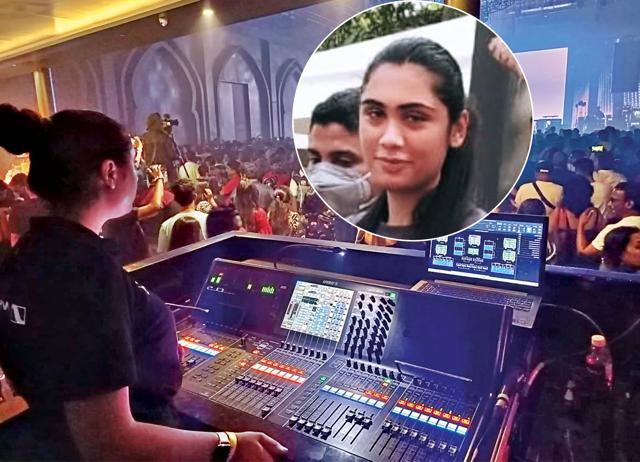
Simran Sachin Nasre grew up around sound equipment, picking up skills from her father Sachin Nasre, the founder and managing director of Focusvision, a sound rental company in Pune. “ I am not a musician, I was not musically inclined, but I have always been curious,” says Nasre. It’s what made her pick sound engineering as a career at 18.
Nasre listened to pop and retro as she was dropped off to school. She’s handled the sound for musicians such as Yellow Claw, Boyce Avenue, Ritviz, Sonu Nigam, Darshan Rawal and Armaan Malik. “Each genre demands a unique treatment. Electronic music requires a powerful bass response and precise clarity; acoustic performances benefit from a balanced and natural sound. Understanding each genre is crucial for creating the right sonic atmosphere.”
In addition, open-air venues require weather-resistant equipment. You never know when it might rain. Closed auditoriums need balanced sound distribution, so even those in the cheap seats hear as clearly. Festival stages need robust systems that can withstand large crowds, dust, humidity and heat.
Most sound engineers learn on the job. Textbooks don’t mention that some venues have restrictions against women working at night. “Keeping women safe as they work late hours is something the industry still has to work on,” says Nasre. “I rely on my team for having my back, just as I have theirs.”


