
 E-Paper



Light, bright, modern: Home decor trends for 2024

 Prefer HTon Google


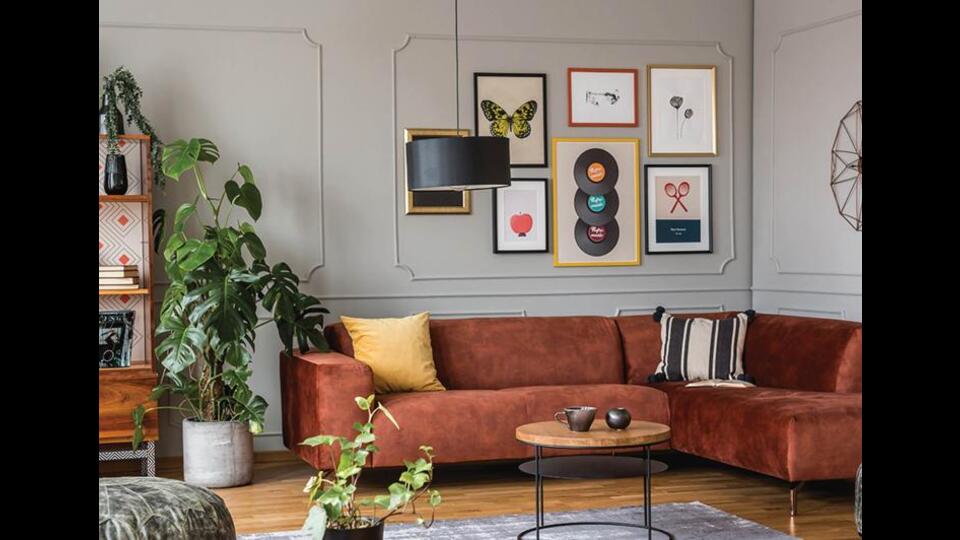
The future is bright. Decor trends for 2024 promise light, simple, but not-quite-minimalist living. Here’s how to style it right
The good news: Decor trends for the coming year are easy on the eye, on the pocket and on the living. No heavy chandeliers, no shiny surfaces to reflect your every design regret. No worries about grubby stains on hard-to-clean surfaces. Designers recommend straightforward, light elements, but not stark minimalism. “It’s often, and wrongly, associated with boredom,” says Ambereen Gupta, founder and managing partner at Casa Amber in Delhi. “In reality, it’s a deliberate design philosophy that focuses on simplicity, functionality, and intentional living. It brings a sense of calm sophistication, emphasising quality over clutter.”
The cheat sheet to a trendy home? Restraint. Keep the design vibrant, expressive, contemporary and personal, says decorator Ridhi Khosla Jalan. Here are their recommendations and tips.
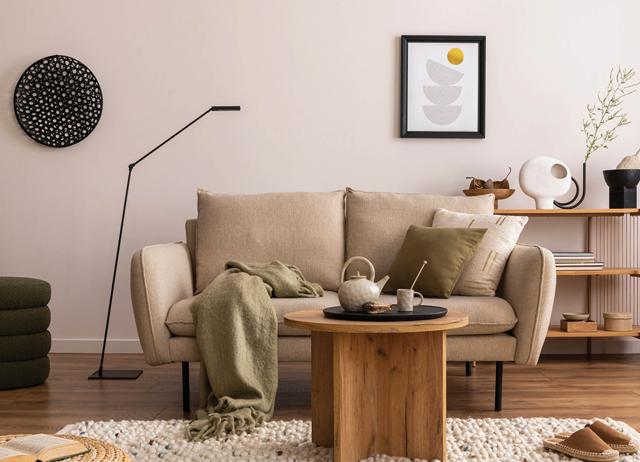
Stay in the neutral zone. “It provides the perfect backdrop for the rest of your design elements to pop and stand out,” says Jalan. Black, white, creams, browns do for homes what a filter does for a beauty Reel – it creates a calming blur so other objects can stand out. The single wall in a different colour is still a trendy way to create a brighter space. “Some great combinations are concrete and serene blue, olive green and white, black and beige, burnt orange and white,” says Gupta.
Open it up. Put nesting tables away, dismantle the heavy furniture for the moment. Fewer pieces create a higher impact, making for an open floor plan with ample freedom to move. Keep finishes sleek – brushed metal, sanded wood, curved edges, recessed handles. Single accent pieces will stand out much more sharply. “Opt for a sofa with clean lines and a subtle neutral upholstery,” recommends Jalan. “Pair it with a sleek coffee table with light-coloured wood or metal accents.” A modular bookshelf can serve as both as a stylish display and functional room divider. “This fluidity strikes a balance between the energetic spirit of youth and the sophistication of modern design,” Jalan adds.
Get a gallery view. No matter how well-styled a home, bring in a painting and its mood changes completely. Rely on a curator (or at least stalk their Insta pages) but most designers recommend relying on one’s own taste in art to give a space a truly personalised feel. “Don’t hold back. Hang pieces that speak to you,” says Jalan. “Art is the heartbeat of a room.”
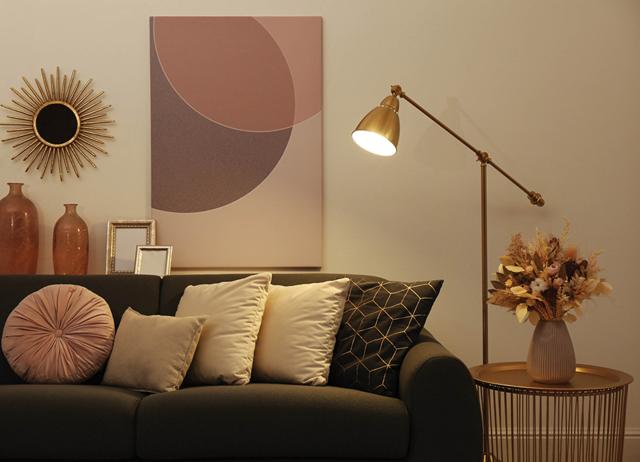
Contemporary art pieces, perhaps a bold abstract, brings in vibrancy without the baggage that classic artworks, even prints, sometimes carry. Or choose an unusual sculpture or a piece with subtle textures that divulge their secrets only to keen viewers.
Mix up the feel. Think about combining unconventional finishes within the same neutral spectrum – dark wood and stone-effect wallpaper, rough-brushed metal vases on lacquered tabletops, a plush rug against a smooth leather chair. This is the secret sauce that quietly adds depth and visual interest.
Turn it on. Art needs its own illumination, so do work areas. Dark corners need only soft light to turn them into cosy nooks. Central spaces, access zones need light focused on the activities there. Consider pendant lights with sleek lines or statement floor lamps that can be moved around to change the mood, say Jalan and Gupta. Prioritise natural light by choosing window treatments that allow sunlight in making rooms airy and refreshing. Soft fabrics look terrible in harsh light. Detailed pieces lose their appeal in shadowy lighting.
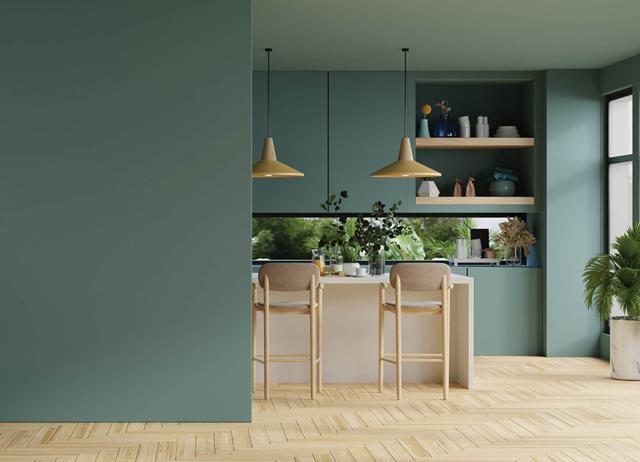
Make material gains. Restraint can sometimes look clinical, austere. Softness and warmth are the best ways to avoid that. “Picture throwing a cosy rug on the floor and letting your toes sink into it,” says Jalan. “Or swap the hard lines of blinds for flowing curtains that dance with the breeze.” She recommends velvet-textured sofas and cosy cushions too – soft oversized ones that don’t look like they’re too dressed up to sink into or cuddle with.
Take it personally. It won’t feel like a home until the people living in it put their personal stamp on the place. Use personal items to tell a story: A wall of only candid photo outtakes. A family tree corner with heirlooms on display. Childhood keepsakes set up next to medals and markers of success. “This step is crucial in creating a space that feels uniquely yours within the overall design,” Gupta says. It’s what will stay constant despite trends, renovations and a change of address.


