E-Paper



Listicle: 10 books about Japan to celebrate #Japanuary
It’s #Japanuary, the month to celebrate all things Japan. Start with these 10 books which offer a glimpse into the country through manga, poetry and whodunnits

 Prefer HTon Google


Spy×Family (2020)
This playful, fast-paced manga is one of the top-selling series of all time. Tatsuya Endo’s story is about a top-secret spy who assembles a fake family as a part of a covert mission, unaware that his wife is an assassin and his adopted daughter is a telepath. They try to hide their identities from each other, only to realise that the toughest missions are not about infiltrating enemy camps, but about getting a child to behave during a school interview. Silly, stylish, heartfelt. Translated by Casey Loe.

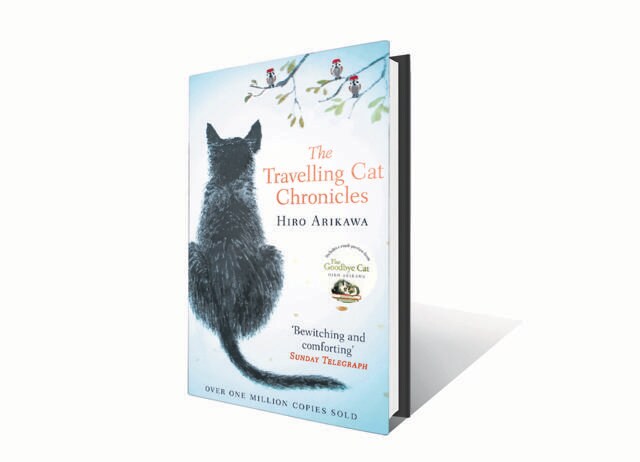
The Travelling Cat Chronicles (2017)
While cats are a recurring motif in Japanese literature, Hiro Arikawa’s novel, translated by Philip Gabriel, makes a stray cat, Nana, the main character. Satoru rescues Nana, and they take a road trip across Japan to find new carers for him. Enroute are old friends, professors, relations, and the slow building of a tender bond between man and cat. This story is going to made you sob into a pillow.You don’t have to be a cat person when you start – you may become one by the end.
After Dark (2007)
Let the noobs simp over Norwegian Wood. Those who know Haruki Murakami’s work are more excited over this novel, translated by Jay Rubin, which showcases his talent for absurdity effortlessly.Set over the course of a night, it fluently captures the vibe of lonely Tokyo nights — neon-lit konbinis, jazz musicians, love-hotel managers and mysterious gangsters.Deeply atmospheric, it blurs the edges of fantasy and reality.
River of Stars: Selected Poems (1997)
Tanka, Japan’s traditional five-line verse, differs from the more popular three-line haiku. Yosano Akiko’s 91 poems (the earliest of which came out in 1901) break away from the restraint and moral rigidity of the age. They’re erotic and personal – a bold move for her time. And yet, they champion feminism, pacifism and social reform. This is a woman who birthed 13 kids, but didn’t consider motherhood her primary identity. In a Japan that is often said to live in the future, her work is still ahead of the time. Translated by Sam Hamill and Keiko Matsui Gibson.
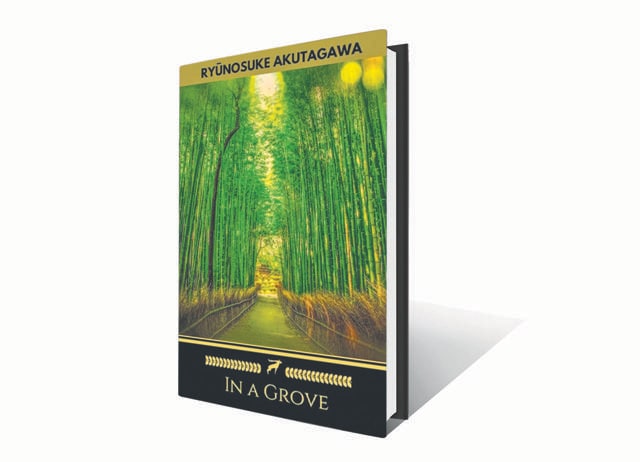
In A Grove (1922)
Multiple translations of Ryūnosuke Akutagawa’s classic short story exist. It’s not long – 30 pages or so – but it bends the mind and makes you question the truth. The tale follows the violent death of a young samurai, Kanazawa no Takehiro, whose body has been found in a bamboo forest near Kyoto. What follows is a series of testimonies, from the POV of passers-by, a cop, the dead man’s relative, and ultimately the people who knew him well. Trust nothing, no one. This is the novel that inspired Rashomon.
A Perfect Day to be Alone (2024)
Nanae Aoyama’s novel, translated by Jesse Kirkwood, takes a cold hard look at 21-year-old Chizu, who moves in with 71-year-old Ginko, an eccentric relative. As seasons pass, Chizu navigates part-time jobs, unsatisfying relationships, and existential dread before finding her feet and locating independence within her solitude. Aoyama balances the melancholy with flashes of humour. What results is an examination of modern loneliness and heartbreak.
All The Lovers in the Night (2022)
Fuyuko Irie, a 30-something freelance proofreader, has a chance encounter with Mitsutsuka. He shakes up the lonely world of her own making, and as their interactions unfold, she starts building the strength to break down the walls that surround her. Mieko Kawakami’snovel (translated by Sam Bett and David Boyd) is poetic, moving, and full of subtle beauty. No one examines urban loneliness quite like the Japanese.
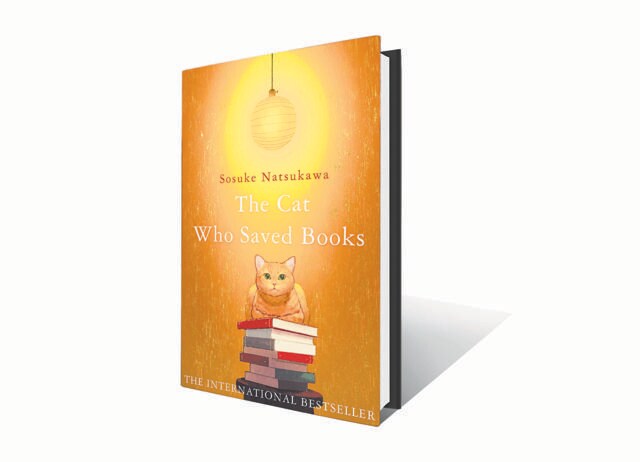
The Cat Who Saved Books (2021)
At first glance,Natsukawa’s book reads like a gentle fable: A grieving teenager, a failing second-hand bookstore, and a talking tabby with strong opinions and a mission to save books from “bad people”. But Sosuke Natsukawa’s tale (translated by Louise Heal Kawai) quietly questions the act of careless reading. Its series of playful, magical encounters is light, whimsical but unflaggingly self-aware. Of course, it’s for readers who worship reading. But it’s also for thinkers who need rumination.
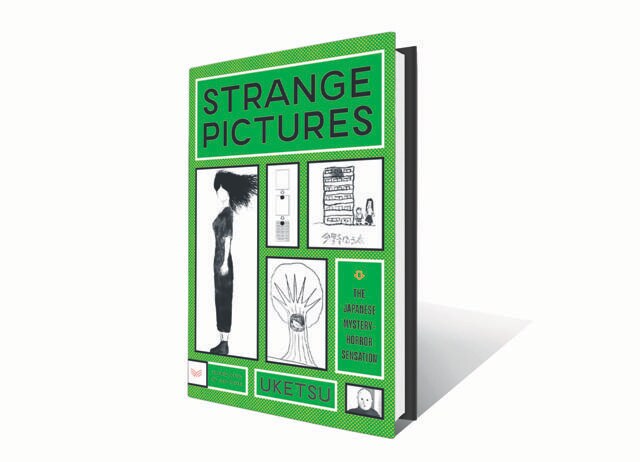
Strange Pictures (2022)
Yes, it’s a novel. No, it’s not just words. There’s a mix of diagrams, maps, and illustrations. Readers must play the detective in YouTuber Uketsu’s macabre whodunnit. There are clues hidden in pictures. There’s commentary on how contemporary Japanese society is failing some of its members. And the seemingly disparate cases end up being connected, but only if you get to the end. It represents a new generation of Japanese crime writing — one that blurs the line between puzzles, suspense, and visual storytelling. Translated by Jim Rion.
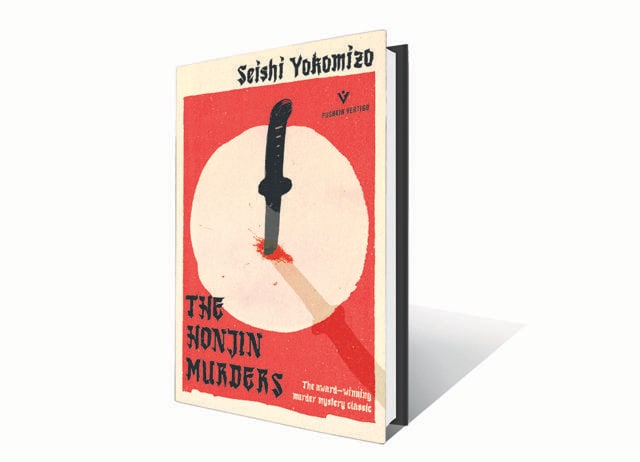
The Honjin Murders (2019)
The ultimate locked-room mystery. Meet Kosuke Kindaichi, a private detective investigating the double murder of newlyweds committed inside a sealed inn on a snowy night. The writer Seishi Yokomizo knows what he’s doing. And this is a story that could only unfold in rural 1930s Japan. There’s a three-fingered man in the story. Is he a red herring? The puzzle, translated by Louise Heal Kawai, feels comfortingly familiar yet distinctly Japanese.