E-Paper



Rights, camera, action! A content creator’s guide to copyright laws
Like, comment, but maybe don’t share? A content creator’s guide to copyright laws online and off

 Prefer HTon Google


Dressing like a wizard for a Reel.
Intellectual Property rights lawyer Puneet Kumar Agarwal says India’s Copyright Act, like similar acts abroad, protects not an idea but an expression. Wizards are generic fantasy characters, appearing in several works. As long as a creator is not trying to pass off as a specific one, say Harry Potter, they’re fine. It’s why Melissa Hunter’s hilarious web series Adult Wednesday Addams (2013–2015), featuring the TV character transplanted to today’s LA, was shut down.
Repeating a catchphrase.
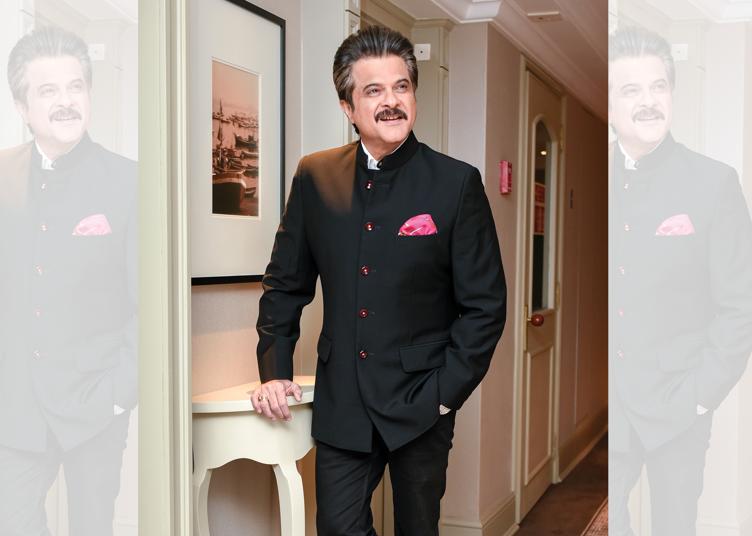
Use Anil Kapoor’s face and voice without his permission and there will be consequences. His signature “Jhakaas”, however, is common word and cannot be patented, ruled the Delhi High Court in September. “But the Copyright Act is so vast that, in essence, all of us may violate it, by, say, using a phrase written by an author online or offline,” says Nupur Agarwal, IP lawyer at the Delhi High Court. Laws are also subjective to the case, says IP lawyer Surabhi Iyer. “The Act and the judiciary will take into account the purpose of using the phrase, whether it was for individual or commercial purpose and the intent.”

The camera roll.
Copyright begins the moment the work is created. In most cases, the person who’s captured the image and clip is the owner, regardless of whether a licence has been created for it. That means, if someone else uses it without permission or compensation, they’re stealing. “If it’s a commissioned work, if you’ve taken the picture or video for your employer or for a client who has commissioned such work, that person who is the owner,” says Nupur Agarwal. But, if a work is not original in the first place – a photo of a photo, a pirated video, downloaded audio clips – it’s stolen material by itself.
The social media feed.
The copyright policies of most content-sharing platforms – Instagram, YouTube and the like – are clear. Only the creators of original work own the copyright to their work. Only Jasmeen Kaur owns “So beautiful, so elegant, just looking like a wow”. The boutique owner from Delhi’s Tilak Nagar, originated the phrase on an Instagram Live. Use those words, that tone, by all means. Sampling her voice clip within Insta, and crediting her, is ok too. Using it in a song without her permission, however, is illegal.
The reaction video.
“If you are offering your opinion of a book, a movie or a drama, that’s okay,” says Iyer. Posting a reaction vid is much the same, except the clip in question is playing alongside. Tagging it “Incoming Stitch” is not enough. If a video contains someone else’s video or image, add a disclaimer that says the original is not your property.
The trending tune.
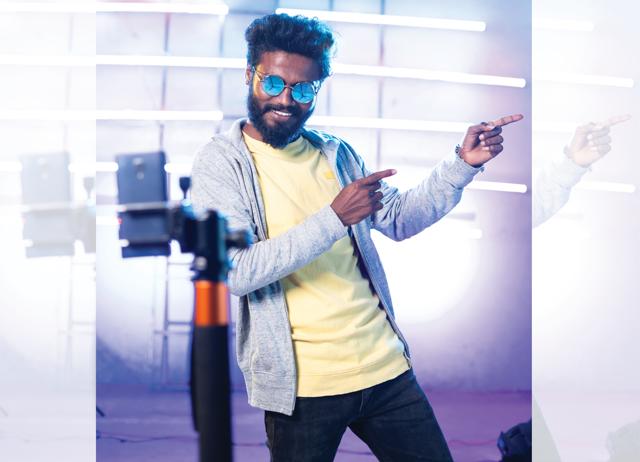
Adding a tune to a Reel from Instagram’s selection for personal use is safe. Meta has purchased the licences for these songs on behalf of its users. “But if an influencer or a seller is making money from the songs, they could be sued,” says Kumar Agarwal. Meta’s music library for creating advertisements has fewer tunes. “There is also a clear distinction for the terms of use for a personal account and a business account on most social media platforms,” adds Iyer. Don’t believe the popular myth that any song can be sampled if the clip is under 10 seconds – it’s just not true.
The “my version” remix.
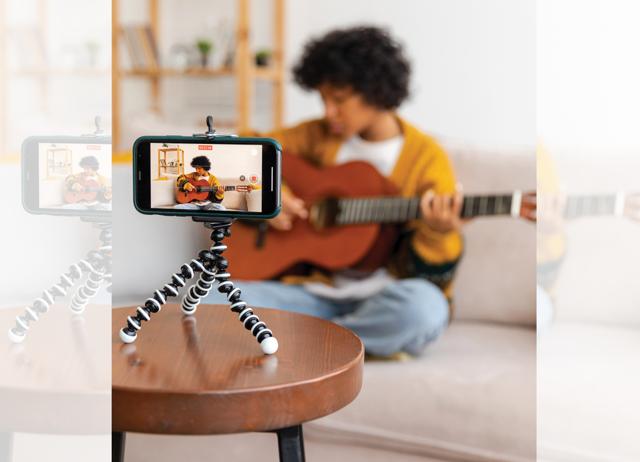
Working with a song tricky. Authors retain the right to their work for life and 60 years after their death. In addition, the lyricist may retain the right to the words, while the performing rights belong to the singer. So setting old lyrics to a new tune may be legal. But performing the original may be considered copyright violation. Even YouTube’s library of royalty-free music comes with terms and conditions. Some tunes require users to credit the creator and can’t be used for commercial work. Should it appear that you’ve violated copyright, take down the work immediately, the longer a disputed work is exposed to the world, the uglier the copyright battle can get.