
 E-Paper



Stress munching? Or are you on your way to an eating disorder?

 Prefer HTon Google


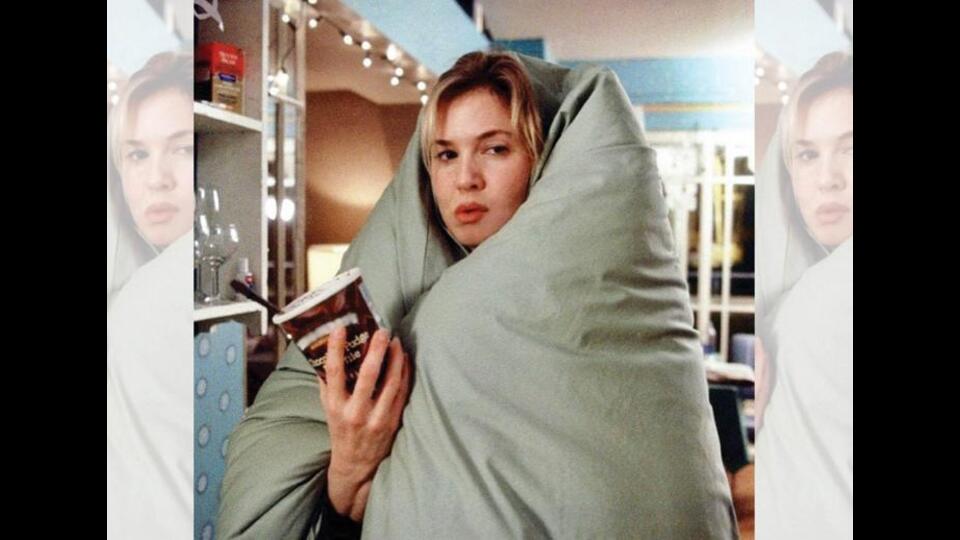
It’s human to have a relationship with food, but know when to draw the line between comfort and compulsion
It’s past midnight. Netflix is peddling the usual distractions from the stressful day. Dinner is done, there’s home-cooked food in the fridge. Yet, the little Scooty is lighting up the mobile screen, indicating that the delivery guy is on his way . Are we all just stress-eating or is it a sign of an impending disorder?
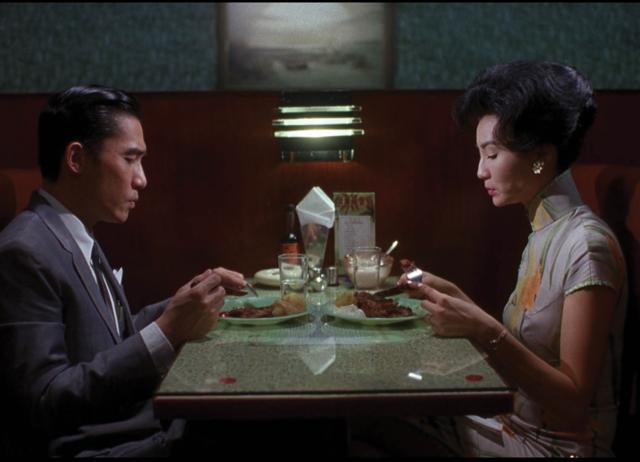
Everyone seeks comfort food to feel better. Bridget Jones reached for a tub of ice cream every time she had her heart broken. The chef in Chef (2014) literally whips up a multi-course meal at home when a food blogger stresses him out. Those cuckolded leads in In the Mood For Love (2000)? They literally find each other because eating alone is so depressing. Surely they don’t all need therapy. Sahiba Sethi, counseling psychologist and founder of Ummeed Healing says that when humans are stressed, the body releases a hormone, cortisol, which can cause an increase in appetite. “And food is a comfort corner people run into to calm themselves.” She and Dr Sheetal Goyal, neurologist at Wockhardt Hospitals, Mumbai, list what to watch out for on the next late-night binge.
What’s the craving? Foods high in sugar and fat are bad enough when hungry. Wanting them outside of mealtimes, and hoping to have a huge helping, is worrisome, says Dr Goyal. Obsessing over food items (the biggest burger, the butteriest butter chicken), seeing it as a reward for a bad day, eating impulsively (no-celebration cake, no-reason mithai) are all signs of stress eating.
The aftermath. Guilt is common. But hiding the boxes, paying for late-night orders in cash, lying about the snack, and eating quicker than usual, are not. If someone is doing this for more than 15 days in a row, it’s a warning sign, says Sethi. This is usually accompanied with drastic mood swings.
Power plays. The line between stress eating and a larger issue is drawn when eating behaviours significantly impair daily functioning. Sethi cites three concerns that start out as excessive stress eating: Anorexia (intense fear of gaining weight), bulimia (bingeing and purging), and binge-eating disorder (spells of fasting and feasting). “If someone has a preoccupation with food, has unhealthy diet behaviours, has their self-esteem tied to body weight and withdraws socially, get them to seek help immediately,” she says.
Data tracking. Examine spending pattens to see if something’s amiss – a grocery list that’s changed, a restaurant bill that’s bigger than what it used to be, Zomato orders placed at odd times, GPay receipts generated during stressful periods. Check the garbage for how many boxes are thrown out, how many family packs were polished off by a single person. “Examine the anomalies to get a better sense of what’s happening,” says Sethi. Dr Goyal says that this also helps identify triggers: “If you notice a reliance on unhealthy options during times of stress, find an alternative. Make mindful, nutritious choices.” Maybe pre-order something healthier in advance and uninstall Zomato for the day?

Off the menu. If the trigger isn’t hunger, find out what’s causing the cravings. It could be as simple as wanting to feel special at the end of another long day, a way to replay a fond memory, a reminder that food is now affordable, accessible and not rationed. Eat regular meals on time (set reminders if needed) so the cravings are less strong.
Hack it. Drink water before placing an order – dehydration can mimic hunger pangs. “Research has found an association between chronic dehydration and an elevated risk of obesity. Plus, being dehydrated can lead to alterations in mood, attention, and energy levels, which can also affect your eating habits,” explains Shweta Jha, senior consultant clinical psychologist (AMAHA) at Consultant Clinical in Bengaluru. Chew sugar-free gum to keep the mouth working without the extra calories. Focus on making some parts of the home or office food-free, such as the front of a big screen or the bedroom. And wait an hour before ordering extra food. Delayed gratification takes a few tries to work, but it helps better sense kick in.


