
 E-Paper



They twinkle, but they trip: Why putting celebs on a pedestal is a bad idea

 Prefer HTon Google


Put any celebrity on a pedestal, and they’ll eventually start to wobble. Can fans really separate bad behaviour from being human?
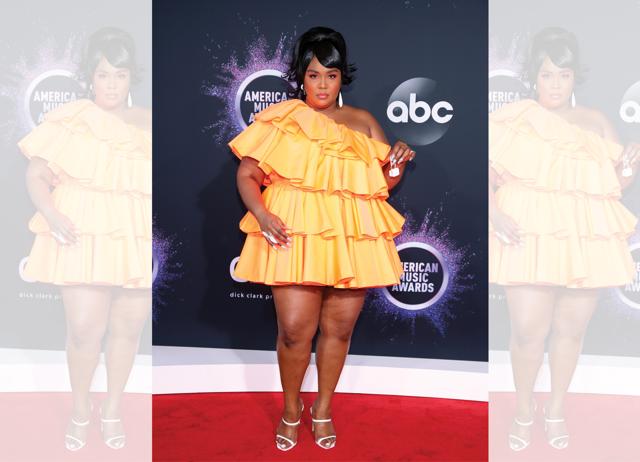
Oh Lizzo! The singer, at her heaviest, was said to weigh about 140 kilos. Yet, she showed off those curves on the red carpet, wearing customised gowns, carrying micro designer bags, giving Instagrammers new makeup looks every week. She could do no wrong.
Until she did. Earlier this year, news broke that two dancers were suing Lizzo for (of all things) weight-shaming them and creating a hostile work environment. In the fracas, she lost over 150,000 followers on Instagram.
Meanwhile, Ariana Grande’s fans (they call themselves Arianators) had a rude shock last month, when they found out that the singer was romantically involved with Ethan Slater, an actor and singer best known for playing the lead in a SpongeBob SquarePants musical. Worse, the affair began when both were married. Fans cancelled her with, “Thank U, next”.
And all year, news has been spilling that Jimmy Fallon, the affable host of The Tonight Show, is in fact, an erratic and hostile boss. James Cordon, host of The Late Late Show, has been labelled Most Abusive Customer by the prestigious London restaurant Balthazar.
Are celebrities really that terrible? Or are they just human, wobbling on their pedestal every now and then?
Keep the spotlight on long enough, and any surface shows cracks. And the spotlight has never been brighter and more unforgiving than it is today. Rockers could have groupies in the 1970s. Supermodels revelled in cocaine-dusted parties in the 1990s. But if a vegan celebrity even gets mozzarella on her pizza today, there’s a global meltdown.
There’s even a term for it. American psychologist Edward Thorndike coined the Halo Effect in 1920, to refer to how positive impressions of a person, company, country, brand, or product can influence one’s opinion or feelings in other areas. Let’s dial down the self-righteous surprise, maybe?
People, especially famous people, should be accountable for their actions. There’s no room for abuse, sexism, bad behaviour, power plays, intimidation, and attacks on any side of the camera. It’s why Ellen DeGeneres quit hosting her eponymous show after 19 years after stories of on-set bullying, sexual harassment and racism were made public.
But not everything deserves the same hate. Kevin Costner’s divorce drama (quarter-of-a-billion-dollars, custody, toiletries, furniture, and banishing wife Christine to the staff quarters) is ghastly. But it’s his own business. Brad Pitt and Angelina Jolie, seven years divorced, are still fighting over a French winery. It seems petty, but surely they have every right to be?
Reece Witherspoon being fined $213 for disorderly conduct when Jim Toth, her husband at the time, was charged with driving, inebriated, in the wrong lane? Hardly a bombshell. Winona Ryder being arrested for shoplifting and passing it off as research for a role? Laugh it off as entitled behaviour. Custody battles, divorces, squabbles over money? It’s none of our business.
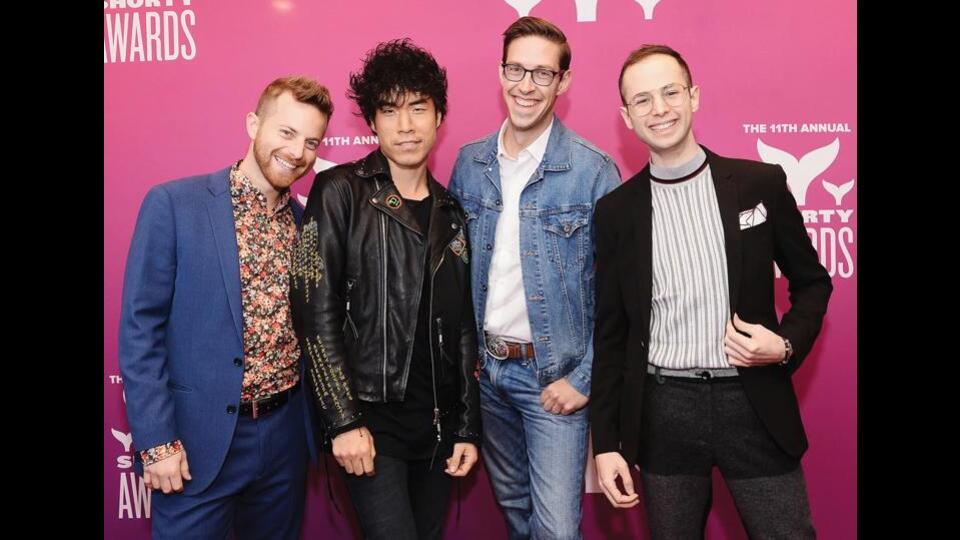
Think of the Try Guys, the internet’s favourite entertainment group. When news broke in 2022 that one member, Ned Fulmer, the sweet, loving family guy, was having an affair with an associate producer, self-righteous fans were quick to cancel him. He was fired from his job too – not because he was cheating on his wife, but because workplace relationships were forbidden. It tempered some of the public outrage.
Fan culture includes both love and hate, and few fans distinguish between their idol’s personal choice and professional behaviour. Besides, being an anti-fan is also being a fan. How else have the Kardashians been thriving for almost two decades?


