
 E-Paper



Weave changed! Meet two designers who are giving tradition a sexy makeover

 Prefer HTon Google


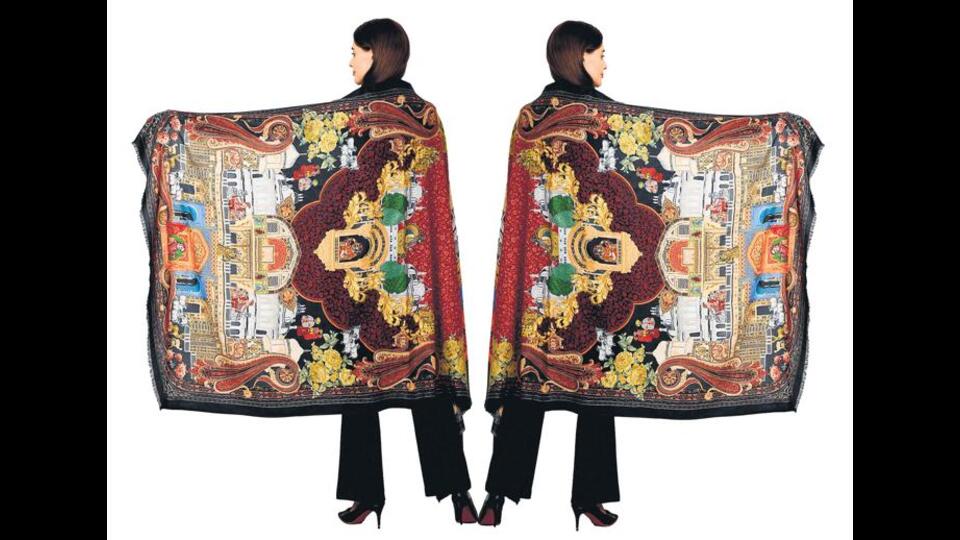
Kashmiri motifs on capes, kanjivaram in linen, kalamkari on wool. Two design houses are giving tradition a chic spin
Indian handicrafts always make the news. But two design houses have been getting the fashion world excited -- for different reasons. One has been working out new ways to make traditional crafts look sexy. The other is putting traditional weaves on the sexiest celebrities. Here’s how they do it.
Amritsar-based label Taroob, founded by designers Sanchit Anand, Neeraj Singhania and Shubha Jain in 2020, started off with exporting handcrafted scarves, shawls, ponchos and capes to brands such as Tommy Hilfiger, Esprit, Banana Republic and Ann Taylor. Much of the designs use kalamkari, a multistep hand-painting technique on cotton, that is so labour intensive that few artisans have been able to make a living from it in recent times. On wool, the technique is tougher still.
Anand says their collections offer artisans a chance to work with a complex but threatened art from and make a stable income from it. “Although the kalamkari prints and Kashmiri embroidery are multicoloured, the base colours are beige, white, olive, mustard and black, on cashmere, pashmina, silk and linen,” says Anand. They were a quick hit with Western shoppers looking for skilled handiwork, but garments that were neutral enough to blend into their existing wardrobe.
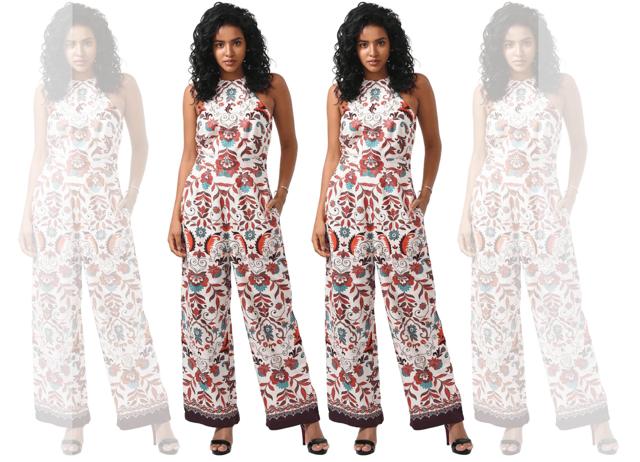
Turns out upmarket Indian buyers have been seeking much the same thing. Singer Shilpa Rao wore a Taroob cape, featuring Kashmiri embroidery flamingos and crystals, to a performance recently. In last year’s film Satyaprem Ki Katha, Kiara Advani’s character, Katha, wrapped herself in a striking blue shawl, which went immediately viral.
Anand says the brand is keenly noting what Indian customers like and come back for. “Our Pichwai Ras-Leela Kalamkari shawl, depicting scenes from Krishna’s life, has been highly appreciated, as has the Majestic Mughal Darbar shawl, which features a court scene and motifs from the period,” he says. Traditional Kashmiri sozni or needlepoint embroidery, on capes, jackets, long coats for women, and bandhgalas, kurta sets and Nehru jackets for men, are becoming statement winter pieces.
The brand has been experimenting with more designs on velvet fabrics and aims to incorporate motifs from Rajasthani blue pottery and Bengali kantha into their future collections. “The Indian heart still wants to showcase traditional crafts,” says Anand.
Sneha Krishnan
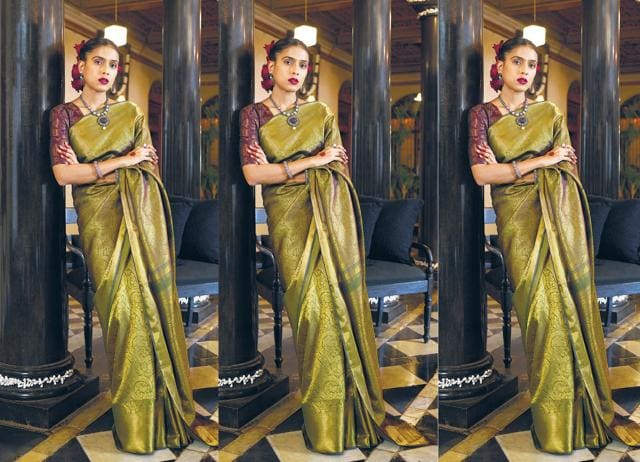
Deepika Padukone wore his saris to her wedding in 2018. Priya Paul, chairperson of Apeejay Surrendra group wore a satin-brocade drape by him for a National Handloom Day campaign last year. He’s developed, in a first, Kanjeevaram saris in linen. He’s formulated a Benarasi-georgette hybrid. And yet, KH Radharaman, 44, works out of the public eye, preferring to weave his magic in the shadows.
Radharaman belongs to Bengaluru’s Padmasaliya community of weavers, who have created fabrics, particularly silk saris, for royalty and aristocrats for centuries. He holds a degree in Engineering from Cornell University, but set up The House of Angadi in 2001 when he was 21 years old with bank loans and a little seed money from his parents.
Things really took off in 2010, when he launched his second label, Advaya. Where most sari brands source silk from wholesalers, Radharaman took over everything from yarn selection to marketing, doing away with Spring-Summer and Autumn-Winter collections, avoiding endorsement from Bollywood and focusing simply on design and craft. He doesn’t advertise much. “The propensity of being copied has meant that we have restricted exposure of our designs through public platforms,” Radharaman says. “It takes years of hard work to create a design, but relatively less time to get copied.”
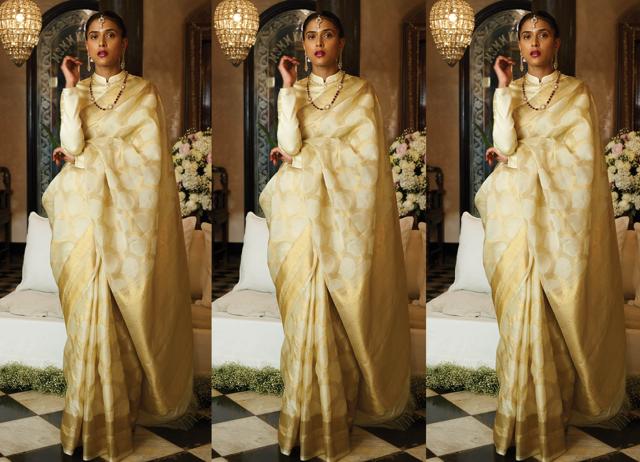
And it’s not unusual for brides to wait 60 days for a handwoven kanchipuram, baranasi or kota sari to be ready. “I am a traditionalist but not a conformist,” Radharaman says. “The first job of a designer is to invest in the creative process. At Advaya, we’ve never held discount sales, but there’s always been more demand than supply.”
The business has now expanded to include home textiles, contemporary ready-to-wear and menswear. Radharaman’s R&D with silk production has yielded linen-blended kanjeevaram. “This was the first time that the weave had undergone such a dramatic transformation, necessitating a host of improvements in weaving technology and techniques,” he says. “I am also very proud of my work in Varanasi, where we have revived and innovated on practically every technique the region is known for. We became the first brand to work the khadua style into handwoven georgette, and to create new motifs in jamdani and tanchoi. All of this work has made saris more desirable among newer audiences.”


