
 E-Paper



We’re not making it up: Fiction will really change your life. Here’s why

 Prefer HTon Google


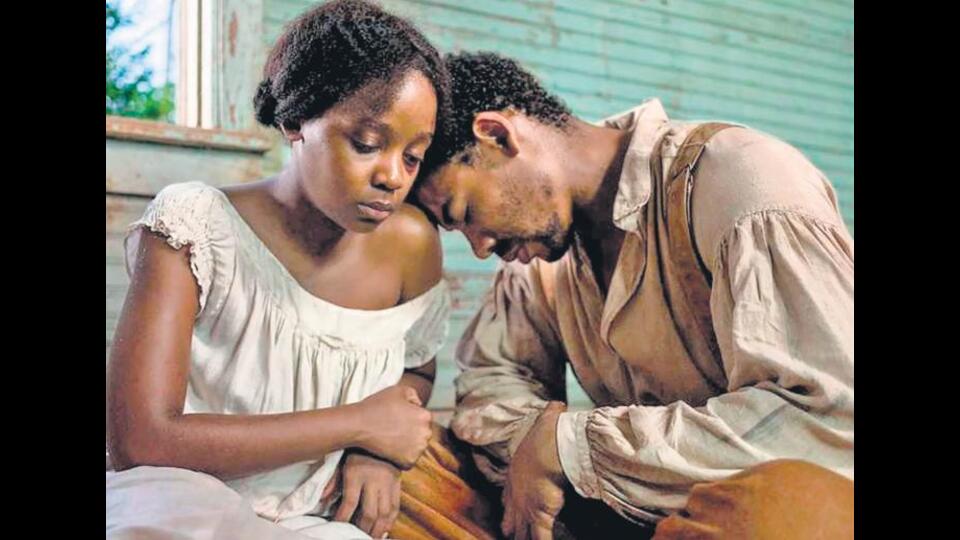
Fiction is really the genre that changes lives. Novels build imagination, boost empathy, make us wiser. Facts can only go so far
Sigh, CEOS. All those productivity hacks: Rising early, scheduling apps, Pomodoro techniques, kaizen checklists, blue-sky thinking, endless pivoting. And of course, they all love books – worthy self-help tomes, memoirs of other CEOs, marketing bibles strung up by case studies. Fiction? No thanks. Story books are a waste of time.
If they only knew. Reading fiction might be the greatest hack, ever, to living a better life.
Novels, so casually dismissed as stories, pack in facts and truths better than non-fiction can do. Consider the 2016 Pulitzer Prize winner, The Underground Railroad. Colston Whitehead draws from what we know about slavery in 19th century America, but imagines an alternative history for Black people. His hero, Cora, bound to a Georgia plantation, makes a daring escape, hoping to find a secret train system, with safe houses and unmarked routes.
Does she make it? It doesn’t matter. Can you guess the ending? That doesn’t matter either. Stop looking for the moral of the story (a good novel contains thousands of morals) . Follow Cora’s journey instead. Slavery’s horrors, the hierarchies they built even within slave communities, the economics of cruelty, the challenges of controlling a workforce – they all make better sense than some texty management guide. Plus, research from neuroscientists finds , readers who connect with a character, who understand her motivations and decisions, end up developing empathy for humans as a whole.
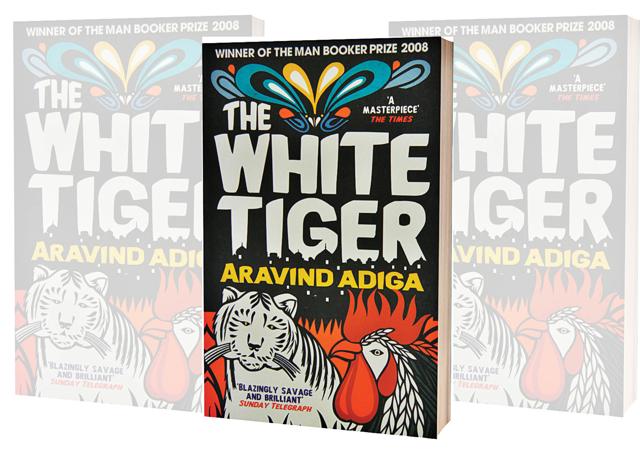
Made-up stories prepare us for the real world in a way that dry facts cannot. A September 2023 study, published in Personality and Social Psychology Bulletin, finds that reading literary fiction in early life is associated with a more complex worldview, a comfort with ambiguity, and a decreased belief that people are essentially only one way. Think of the many sociology textbooks required to understand India’s urban-rural divide and social systems. Now, think of how easily they are conveyed in Aravind Adiga’s Booker Prize-winning novel, The White Tiger (2008).
Or think about the Harry Potter books. A 2018 study, published in the Journal of Applied Social Psychology, conducted three experiments, getting students to read passages about discrimination in the books. The participants ended up being more inclusive towards immigrants and gay students, suggesting that stories can be used to improve attitudes toward stigmatised groups. Perhaps JK Rowling could re-read her own books and change her abhorrent view of transpeople?
There’s plenty of bad fiction out there. But bad non-fiction is often worse. Preachy self-help books rarely deliver on their promises. (Sorry, Mark Manson. Some of us will never master The Subtle Art of Not Giving a F*ck). Most business books are just vanity projects for successful folks. Biographies often seem overwritten. Explainers tend to neglect the fallible human side of invention.
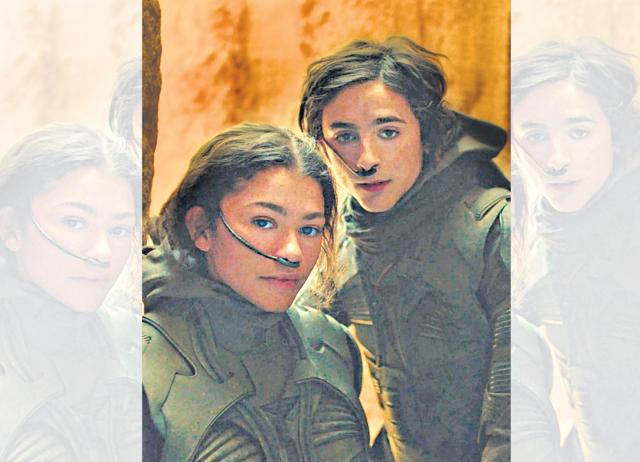
Building worlds as a story unfolds, on the other hand, builds our imaginative powers and helps readers retain details. Ask any Dune fan which scene works better in the books than the movie. They’ll all have something to say. Research from 2013, on a novel’s short- and long-term effects on mental connectivity, finds that the habit of being engrossed in a tale actually boosts brain function. Readers who live a different life, in a different world, end up keeping the brain engaged without it ever feeling like homework.
Early in her 2020 book of essays, Azadi: Freedom. Fascism. Fiction, Arundhati Roy writes about a conversation she had with her editor, who wanted to know what she associated with the word Azadi. Roy answered immediately: “A novel”.
Fiction frees both the writer and the reader to create imaginary worlds, but populated by real ideas, real emotions, real people. We will, as we age, forget much of what we read, regardless of genre. The bonus with fiction: You read much more than you remember, and you remember much more than you ever read.


