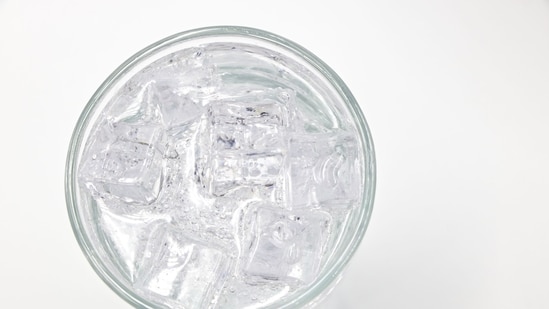
From iced coffees to mocktails, crystal-clear ice cubes have become a familiar sight at cafes and restaurants. However, when we fill an ice tray at home and leave it in the freezer, the resulting cubes often look white and cloudy. In this edition of ‘Everyday Explained,’ HT Lifestyle spoke to Chef Muskan Ajmani in Bangalore, to understand the science of ice formation.
Why do homemade ice cubes turn white and cloudy?
According to Chef Ajmani, the difference between cloudy homemade ice cubes and crystal-clear restaurant ice largely comes down to how the water is prepared and frozen. At home, we usually pour water straight into an ice tray and put it in the freezer. As the water freezes, tiny air bubbles get trapped inside, giving the ice its white, cloudy appearance.
Also we mostly use tap water for making ice that contain impurities including, calcium, fluoride, nitrates, magnesium, and other organic elements that are difficult to remove through regular filtration methods. These impurities are one of the reasons why homemade ice appears a bit cloudy.
{{/usCountry}}Also we mostly use tap water for making ice that contain impurities including, calcium, fluoride, nitrates, magnesium, and other organic elements that are difficult to remove through regular filtration methods. These impurities are one of the reasons why homemade ice appears a bit cloudy.
{{/usCountry}}Why does restaurant ice look crystal clear?
“In restaurants, chefs pay a little more attention to the ice-making process, especially when preparing ice for cocktails and premium beverages,” highlighted chef Ajmani.
How to get restaurant like ice at home?
Here's the step-by-step process to get crystal ice at home:
Step 1: One simple trick to get clearer ice at home is to boil the water before freezing it. Boiling helps remove some of the dissolved air in the water, which can reduce cloudiness.
Step 2: Allow the water to cool before pouring it into ice trays and placing it in the freezer. However, boiling water alone does not guarantee completely transparent ice.
Step 3: The way the water freezes also matters. Freezing it slowly and from one direction can help push air bubbles towards one end rather than trapping them in the middle.
Some professional kitchens and bars use specialised ice machines to achieve this effect.
The size of the ice cube also makes a difference. Larger cubes and ice spheres are preferred in many restaurants because they melt more slowly than smaller cubes. This helps retain the flavour of cocktails and other beverages without diluting them too quickly.