
 E-Paper



HIV/Aids funding cuts in 2025 leave clinics shut and services strained, raising fears of millions of new infections

 Prefer HTon Google


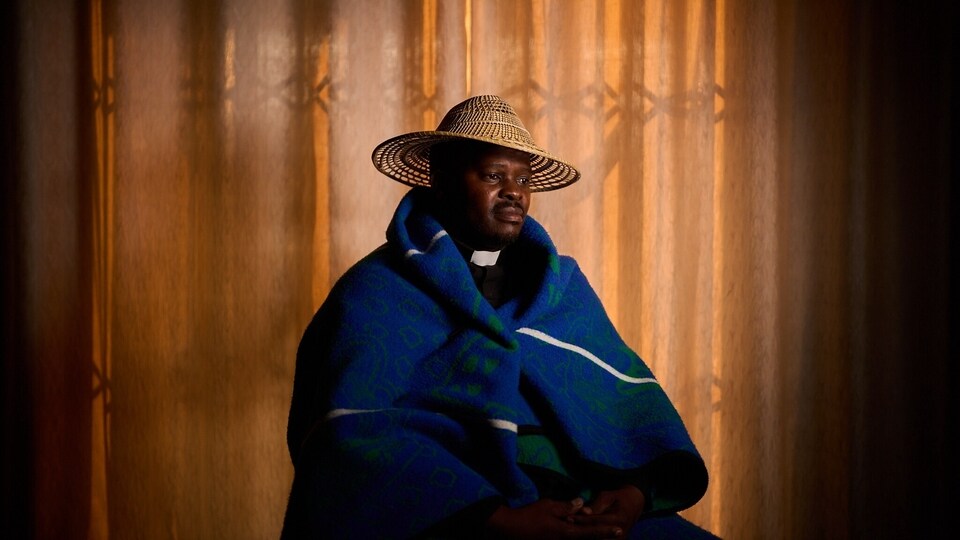
Declining donor support has shaken HIV services across Africa, leaving key groups without access and raising fears of rising deaths by decade’s end.
A series of new assessments from global health agencies is painting a stark picture of what funding cuts have done to HIV/Aids care this year. Clinics have gone dark. Testing has stalled. And health officials say the slide could push millions into avoidable infections before the decade ends.
Impact of shrinking HIV/Aids budgets
Parts of sub-Saharan Africa describe situations that once seemed unthinkable. In Mozambique, a teenage survivor of sexual assault arrived at a local clinic and found shutters down. In Zimbabwe, health workers say AIDS-related deaths have begun to climb again after several years of decline. Ethiopia and the Democratic Republic of the Congo have documented long stretches without HIV test kits.
The disruption links back to sweeping aid reductions. The Trump administration halted overseas health spending at the start of the year, with only partial restorations afterward. The UK and several European donors introduced their own cuts. Analysts now estimate that external support for 2025 is down by roughly a third compared with 2023, The Guardian reported.
Winnie Byanyima, head of UNAIDS, said the “ecosystem sustaining HIV services” in dozens of lower-income countries has been “shaken to its core”.
The worrying forecast of rising HIV infections
UNAIDS warns that without a fast return to stable funding, an additional 3.3 million HIV infections could occur by 2030. Prevention programmes are taking the heaviest hit. In Burundi, for example, the number of people receiving preventive medicines dropped by more than half, according to the agency’s latest review.
Community groups are reporting similar setbacks. A collection of country studies released by Frontline Aids - covering Kenya, Angola, Malawi, Mozambique, Nigeria, Tanzania, Uganda, and Zimbabwe - documents stalled outreach, shuttered safe spaces, and declining support for groups considered at higher risk of infection.
Major impact on high-risk groups
For years, much of the progress in HIV reduction came from services tailored to key populations: people who inject drugs, sex workers, men who have sex with men, transgender communities, and those in prisons. Many of these services were donor-funded. Their closure has left gaps that health practitioners say will take time to rebuild.
In Uganda, one LGBTQ+ respondent told Frontline Aids that the loss of safe spaces has left people "isolated and exposed."
Signs of recovery and a push for local funding
Some countries - including Nigeria, Uganda, Côte d’Ivoire, South Africa, and Tanzania - have pledged to increase domestic investment. Byanyima pointed to new long-acting injectable medicines as another positive trend.
But experts note the reality is uneven. As John Plastow of Frontline Aids put it, progress is already “slipping backwards”, even as some governments begin to rethink long-term strategies.
FAQs
Why are countries reporting disruptions in HIV care?
Because major global donors, including the US and UK, reduced funding sharply in 2025, leading to widespread service gaps.
How many additional HIV infections are projected?
UNAIDS estimates around 3.3 million more infections by 2030 if services are not restored.
Which regions are most affected by the cuts?
Sub-Saharan African countries, where clinics, testing services and community programmes rely heavily on external aid.

Catch your daily dose of Fashion, Taylor Swift, Health, Festivals, Travel, Relationship, Recipe and all the other Latest Lifestyle News on Hindustan Times Website and APPs.


