
 E-Paper



Oncologist says ‘stage IV doesn’t usually mean terminal cancer’, explains how it is different

 Prefer HTon Google


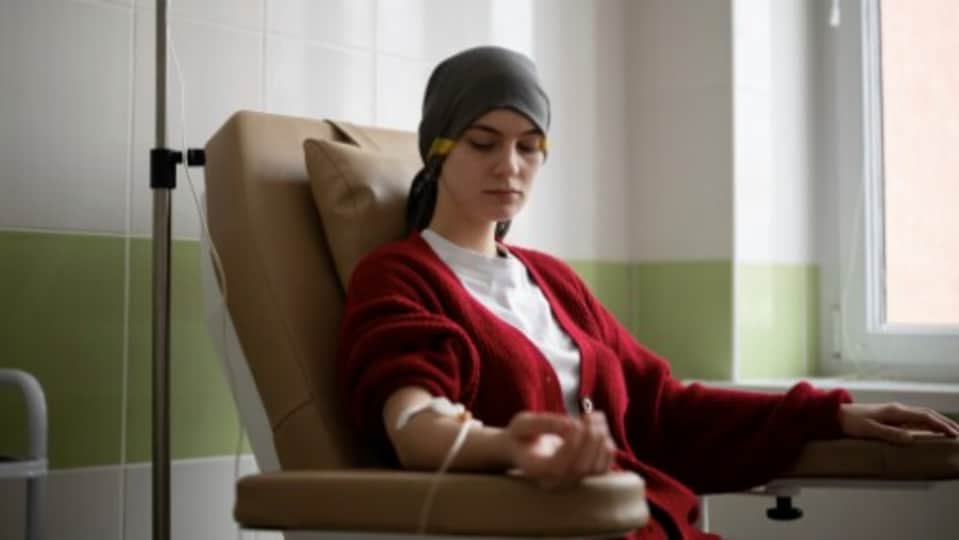
Oncologist Dr Ramesh highlights the distinction between stage IV cancer, which can still be treated, and terminal cancer, which requires palliative care.
Cancer is one of the leading causes of death worldwide. According to a 2025 report submitted by the Press Information Bureau (PIB), in 2022, about 20 million new cancer cases were reported, and 9.7 million people died from the disease globally. In India, around 100 out of every 1 lakh people are diagnosed with cancer.
Therefore, it is important to educate ourselves about this disease, while also understanding that there are different types of cancer, and that stage 4 cancer doesn’t usually mean terminal cancer. Generally, people assume that stage IV cancer means it is the end and not treatable or curable, but it is a misconception.
In an interview with HT Lifestyle, Dr Ramesh S Bilimagga, medical director and senior radiation oncologist, HCG Cancer Centre, KR Road, Bengaluru, discussed the difference between stage IV cancer and terminal cancer. Let us understand the concepts correctly.
What is the difference between stage IV cancer and terminal cancer?
Explaining what stage IV cancer is, Dr Ramesh said, “It is the term which indicates that the cancer has spread (metastasised) from its original location to distant organs or tissues in the body. It is still treatable, with chemotherapy, immunotherapy, targeted therapy, surgery or radiation in selected cases.”

He added that the goal is control (slowing the disease, shrinking tumours, extending survival) mostly, sometimes a cure. “The prognosis of stage IV cancer is often serious, but survival can range widely depending on cancer type, available treatments and the individual patient response. Some people with stage IV cancer live for years, especially if new treatments work well,” the oncologist highlighted.
As for terminal cancer, he explained that it means the cancer has reached the final stage. “It is a term used when the cancer is no longer responding to curative treatment and is expected to eventually cause death,” Dr Ramesh stated.
He added, “The focus of care in this situation shifts from cure to comfort, which involves managing pain, easing breathing, maintaining quality of life and supporting emotional well-being. The prognosis here is very poor. Doctors may estimate the time left, but every person’s journey is unique. Some live much longer or shorter than expected. The goal is to ensure peace and dignity in the time left.”
What is the line of treatment for stage IV and terminal cancer patients?
According to the oncologist, the treatment for stage IV cancer patients is:
- Chemotherapy
- Local radiotherapy or surgery, if possible
- Immunotherapy or targeted therapy like Osimertinib for EGFR-mutated lung cancer
- Genomic profiling: “It is done to identify specific DNA mutations or protein overexpression driving the cancer, which will help before considering targeted immunotherapy. Example: Two patients with lung cancer may get completely different treatments depending on whether their tumours have mutations or not,” Dr Ramesh explained.

Meanwhile, according to him, the treatment of terminal cancer patients includes:
- Medical and physical care:
Palliative care: “Specialised support to manage pain, nausea, breathlessness, fatigue, or other symptoms. It can start early, not just at the end,” the oncologist said.
Hospice care: Usually offered when life expectancy is about 6 months or less. It focuses on dignity, comfort, and peace.
- Advance care planning: Decisions about where the patient prefers to receive the care (home, hospital, hospice), and the medical interventions the patient wishes to avoid.
- Emotional and psychological support: It’s normal to feel fear, anger, sadness, or even relief. Counselling, support groups, or speaking with a psychologist can help process these emotions.
- Spiritual care: It includes prayer, meditation or conversations, which often provide peace.
- For families and caregivers: Caregiving can be physically and emotionally draining. Seeking respite, counselling, or support groups can help. Open, honest conversations with loved ones about wishes, regrets, or gratitude can bring closure and healing.
What is the DABDA effect?
Dr Ramesh also explained the DABDA effect, a psychological process many people go through when facing a terminal illness, major loss, or grief. This model was developed by Elisabeth Kubler-Ross to describe emotional responses, he revealed. The 5 stages, according to the oncologist, are:
Denial: Shock and refusal to believe the reality that they have cancer. They don’t want to go for any treatment, nor want to talk about it to others
Anger: Frustration, sadness, and the inability to accept the situation. They blame God or their fate, worry that treatment costs will drain them financially, are unable to go to work and earn, and will be a burden to family members
Bargaining: Attempts to negotiate or make deals to avoid the situation or to delay the inevitable. They may request to postpone treatment, want to finish festivals/ functions and come back, etc.
Depression: Feelings of hopelessness and despair due to the reality of the situation. Feeling of loneliness, wanting to die, being a burden to others.
Acceptance: Coming to terms with the loss and adapting to the new reality. They will agree to take treatment, follow the doctor's instructions
Coping strategies
Lastly, the doctor suggested a few coping strategies for cancer patients:
- Focus on quality moments: Small joys, shared meals, laughter, music, nature.
- Keep routines where possible for a sense of stability.
- Use relaxation techniques (breathing exercises, mindfulness, guided imagery) to reduce anxiety.
- Accept help from professionals, friends, and family.
Note to readers: This article is for informational purposes only and not a substitute for professional medical advice. Always seek the advice of your doctor with any questions about a medical condition.


Catch your daily dose of Fashion, Taylor Swift, Health, Festivals, Travel, Relationship, Recipe and all the other Latest Lifestyle News on Hindustan Times Website and APPs.


