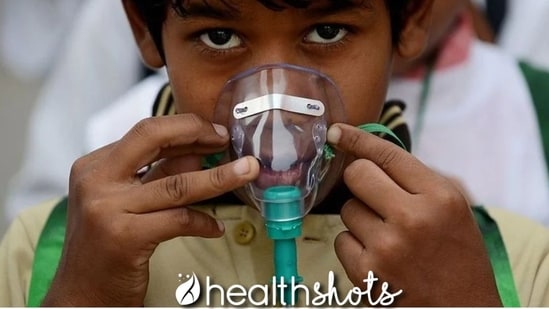
Falling temperatures, changing weather and rising air pollution can put children's respiratory health at risk during November. Know why children are more vulnerable to breathing problems, which symptoms parents should watch for and how simple precautions can protect their lungs. As winter approaches, November often brings changing temperatures, reduced air circulation, and rising air pollution in several parts of India.
"For children, this combination can be particularly challenging. Complaints of persistent cough, cold, wheezing and breathing difficulties may become more common during this period. Since children's lungs and immune systems are still developing, exposure to polluted air can make them more vulnerable to respiratory infections and worsen existing conditions such as asthma," Neonatologist & Paediatric Intensivist Dr Bhawna Malik, Motherhood Hospitals, Greater Noida, tells Health Shots.
Why are children more vulnerable?
Children tend to spend considerable time playing outdoors, which can increase their exposure to pollutants such as PM2.5, PM10 and nitrogen dioxide. These pollutants can irritate the airways, trigger inflammation and affect the lungs' natural defence mechanisms.During winter, colder air can further irritate sensitive airways, particularly in children with asthma or a history of respiratory allergies. Seasonal viral infections also spread more easily when children spend more time in enclosed spaces such as classrooms and homes. The combination of pollution and infections can worsen respiratory symptoms.
- Symptoms parents should not ignore: A mild cough or cold may be common during seasonal changes, but certain symptoms need medical attention. Parents should watch for persistent coughing, wheezing, rapid breathing, chest discomfort, breathlessness and unusual tiredness. Children who frequently develop respiratory infections or whose asthma symptoms worsen may also need a medical assessment. If a child has difficulty breathing, visible chest retractions, bluish lips or unusual drowsiness, immediate medical attention is essential.
- Simple precautions to protect children's lungs: Reducing exposure to polluted air is one of the most important preventive steps. Parents should check the local Air Quality Index (AQI) and avoid outdoor activities when pollution levels are high. Physical activities such as running and cycling should preferably be shifted indoors on days with poor air quality. Keeping windows closed during peak pollution hours, maintaining clean indoor spaces and avoiding mosquito coils, incense smoke and tobacco smoke can help reduce indoor pollution.
- Do not dismiss a persistent cough: Not every cough during November is caused by pollution, and not every breathing problem indicates an infection. However, repeated or worsening symptoms should not be ignored. Timely medical evaluation can help identify the cause and prevent complications. Protecting children's respiratory health during winter requires awareness, early attention and simple everyday precautions.
Children should also be encouraged to wash their hands regularly, drink adequate water and follow a balanced diet. Parents of children with asthma should ensure that prescribed inhalers and medications are available and used as advised by their doctor. Routine vaccinations, including influenza vaccination when recommended, can also help protect against respiratory infections.
(Disclaimer: This article is for informational purposes only and is not a substitute for professional medical advice. Always seek the advice of your doctor with any questions about a medical condition.)
Catch your daily dose of Fashion, Taylor Swift, Health, Festivals, Travel, Relationship, Recipe and all the other Latest Lifestyle News on Hindustan Times Website and APPs.
Catch your daily dose of Fashion, Taylor Swift, Health, Festivals, Travel, Relationship, Recipe and all the other Latest Lifestyle News on Hindustan Times Website and APPs.